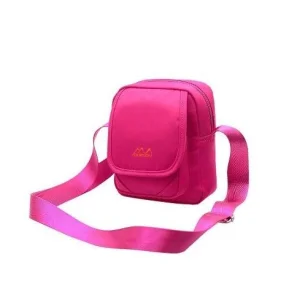
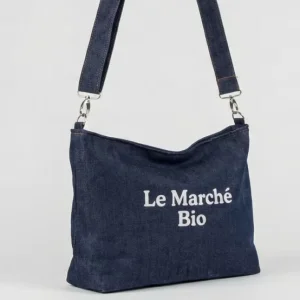
Engineered to balance structural integrity with modern aesthetics, these selected designs cater specifically to retail and commercial requirements across key Central/South Asian trade zones.
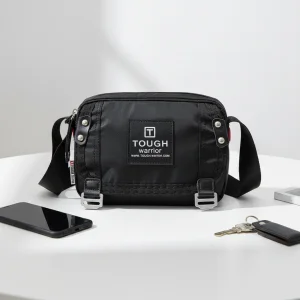
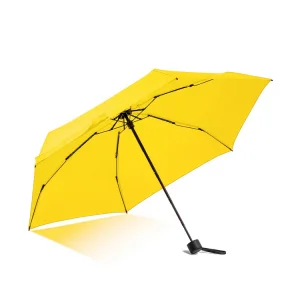
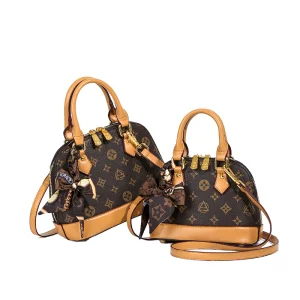
In contemporary Afghanistan, the market for consumer goods, particularly durable luggage and shoulder bags, is undergoing a significant transition. Across major urban nodes like Kabul, Herat, Mazar-i-Sharif, and Kandahar, retail demand is driven by a young, urbanizing population pursuing education, vocational growth, and modern commerce. Durable, affordable, and multi-functional bags are crucial for everyday commuting, academic life, and commercial travels.
Because domestic bag manufacturing inside Afghanistan is constrained by infrastructure limitations and material shortages, importers heavily rely on foreign manufacturing powerhouses. Establishing reliable direct-sourcing alliances with manufacturers in Baigou, China (the epicenter of global luggage manufacturing) has become the gold standard for Afghan B2B importers.
Hebei Ripped Fashion Co., Ltd. serves as a reliable link, navigating trans-border freight logistics through major corridors, such as shipping via Karachi Port and routing overland through Peshawar or Chaman, or using the revitalized Lapis Lazuli corridor and air freight cargo lines directly into Kabul Airport.
In the global textile and luggage arena, the efficiency gap between modern integrated factories and small-scale operations is growing. The global consumer goods market demands fast turnaround times, strict adherence to toxic-free material regulations (like REACH or RoHS), and high volume consistency. Chinese manufacturing zones—specifically Baigou Town in Hebei Province—have spent decades building complete local supply chain clusters.
Every material, from high-tensile polyester yarn and zinc-alloy hardware parts to zippers, webbings, and custom packaging, is sourced within a 15-mile radius. This reduces lead times to days instead of weeks.
Using automated laser cutters, programmable heavy-duty pattern sewing machines, and computerized testing machines ensures millimeter-level precision across every batch of shoulder bags.
With more than 300 experienced professionals, Hebei Ripped Fashion handles high-volume orders during peak commercial seasons. This helps global distributors maintain optimal stock levels.
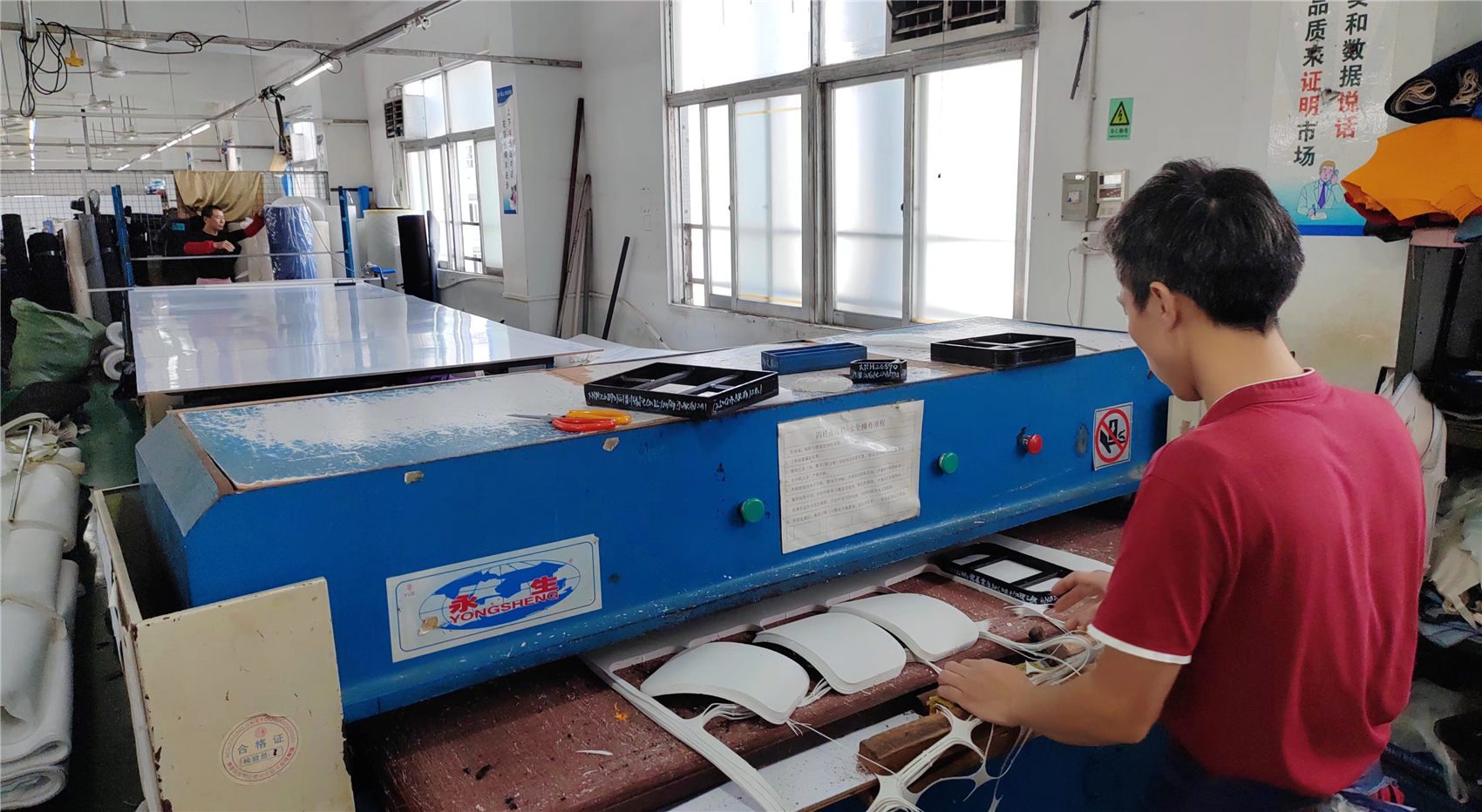
Quality control is built directly into our workflow. Below is our visual manufacturing process, highlighting the steps taken to ensure that every shoulder bag leaving our loading bay meets international trade standards.
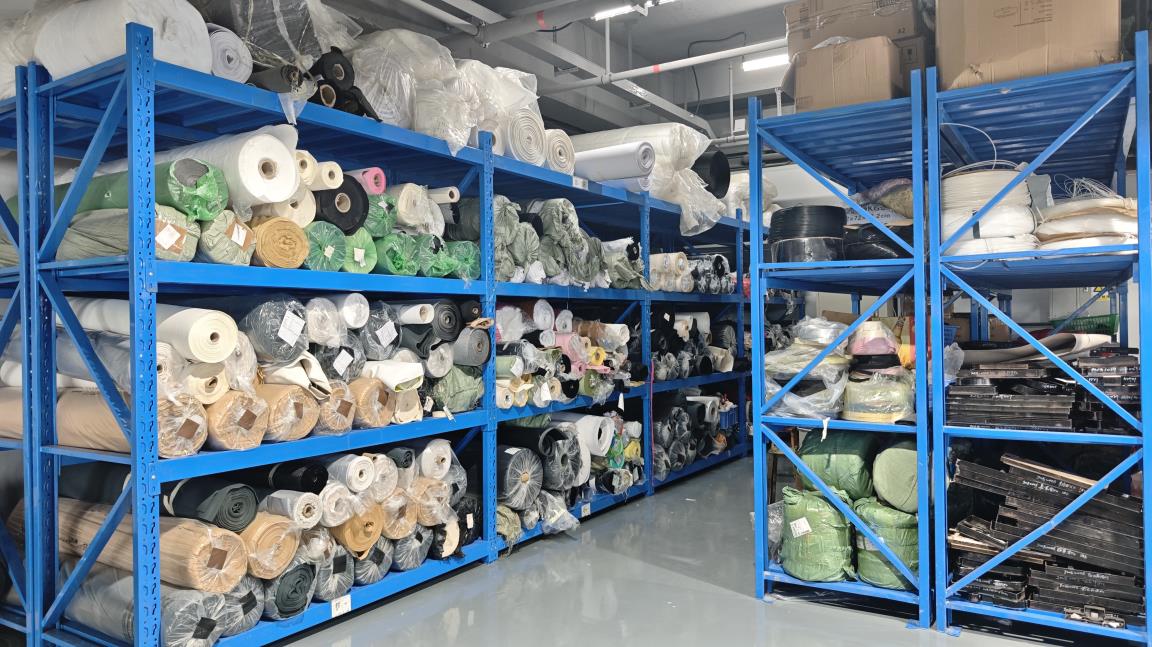
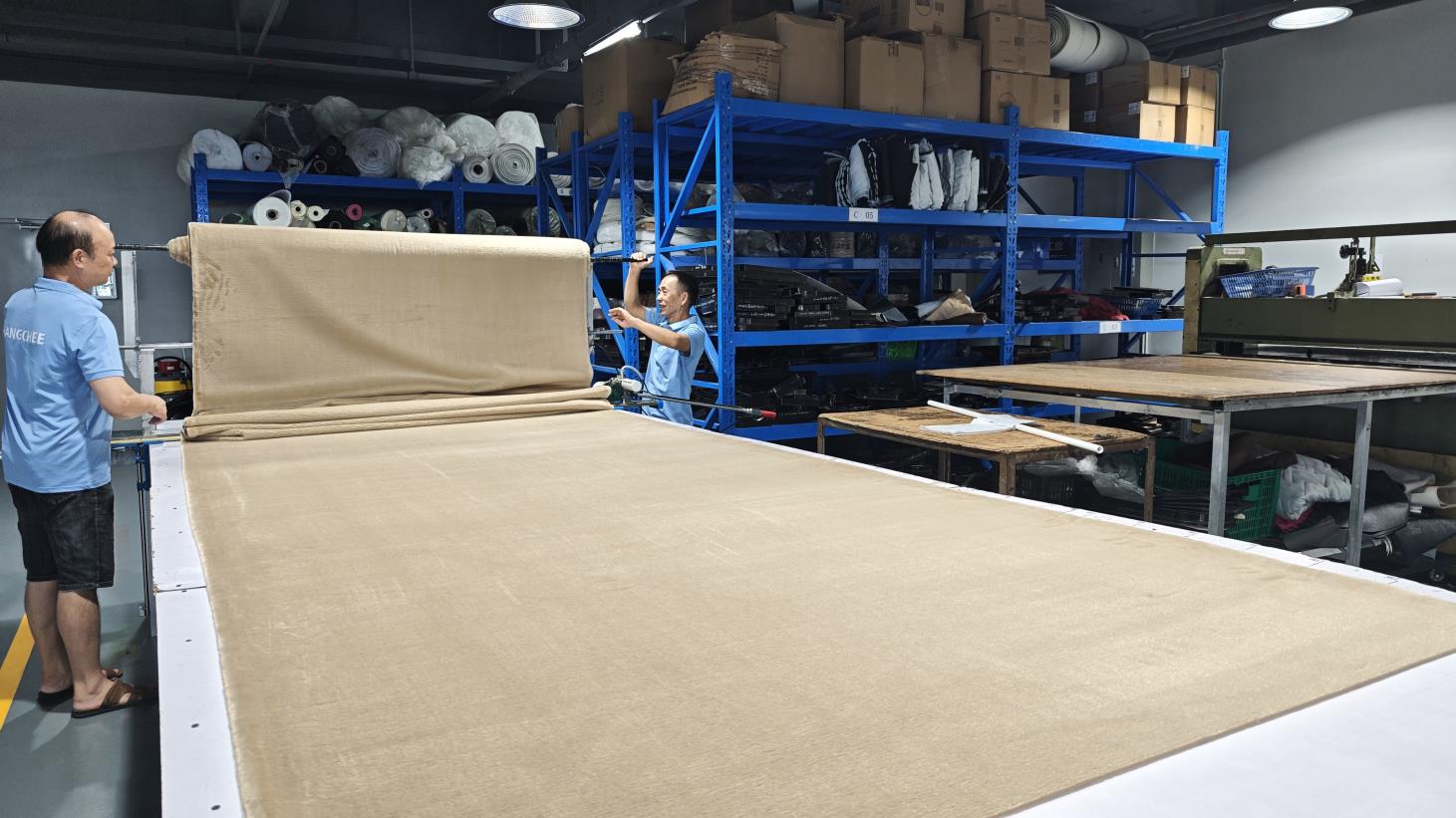
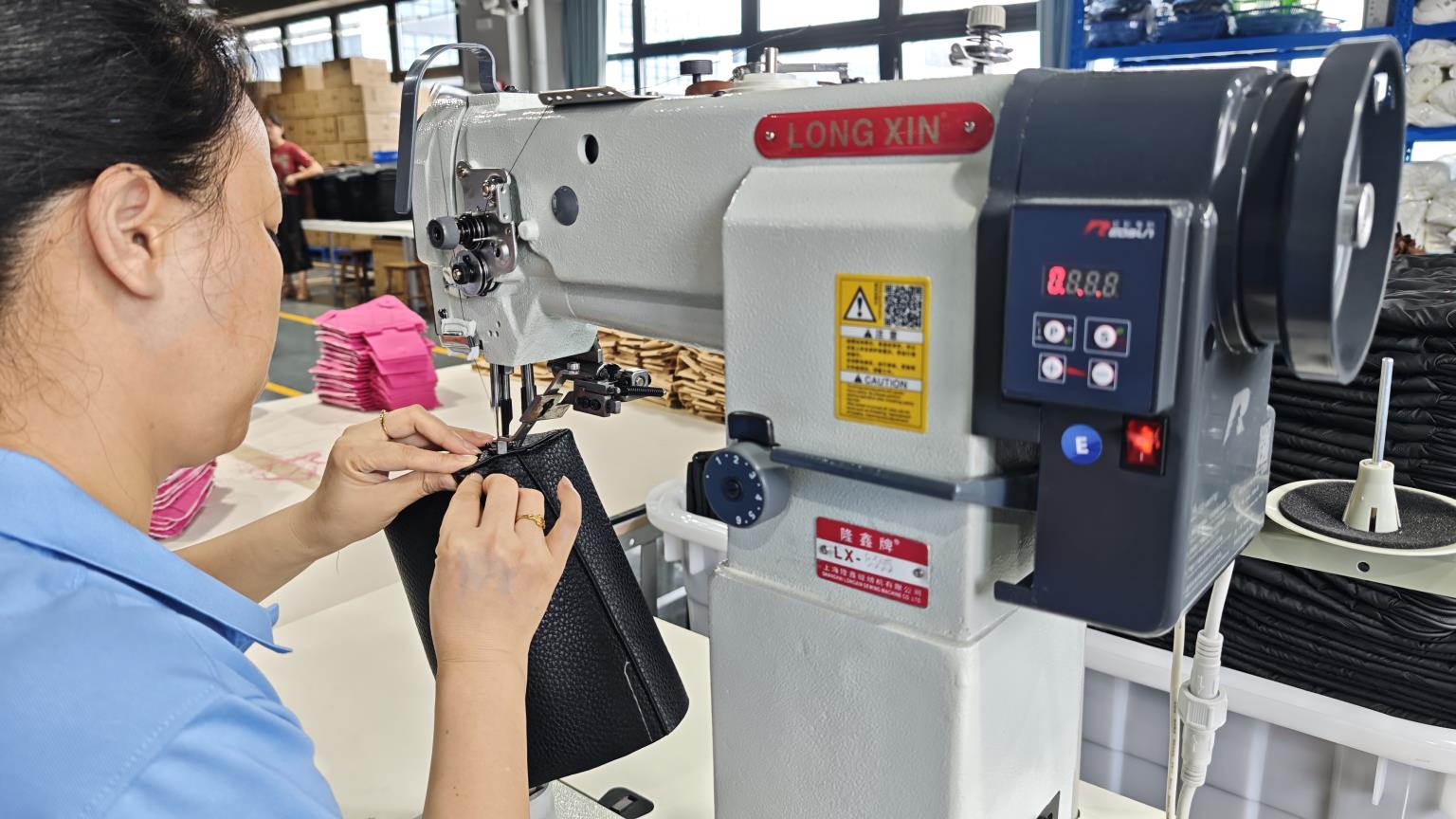
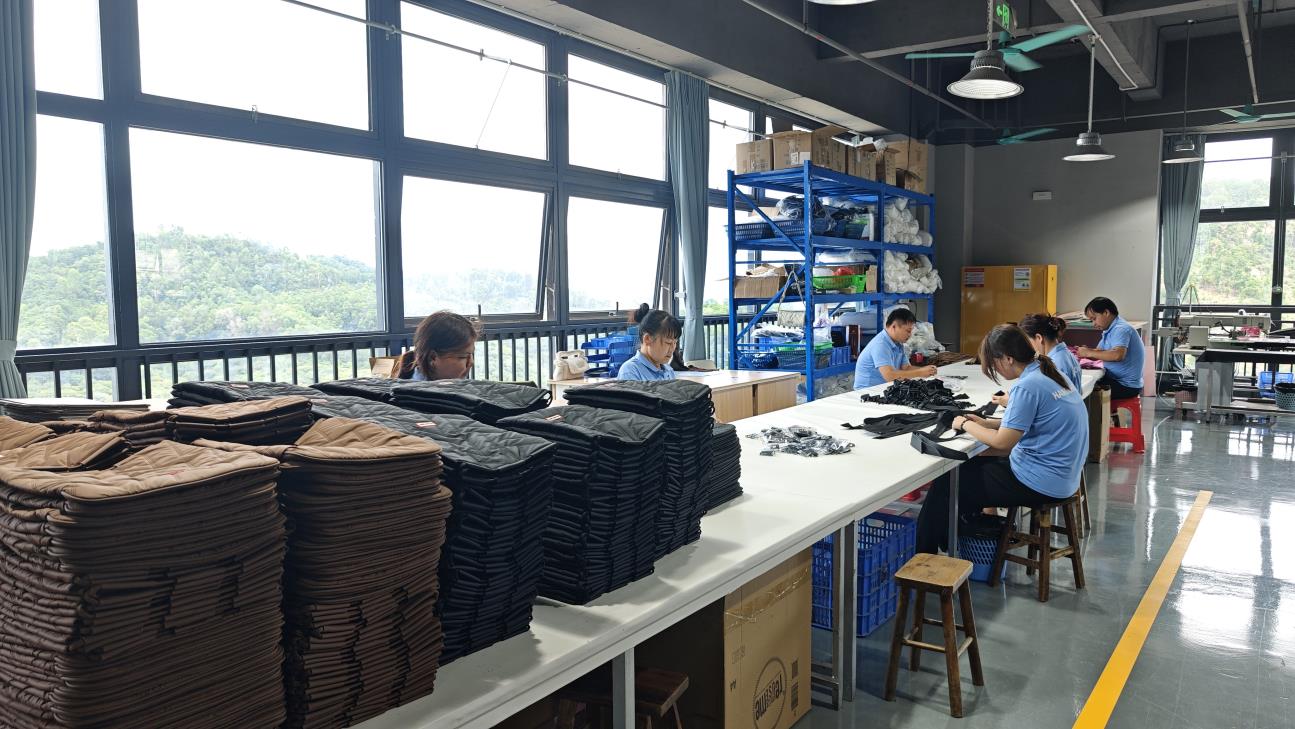
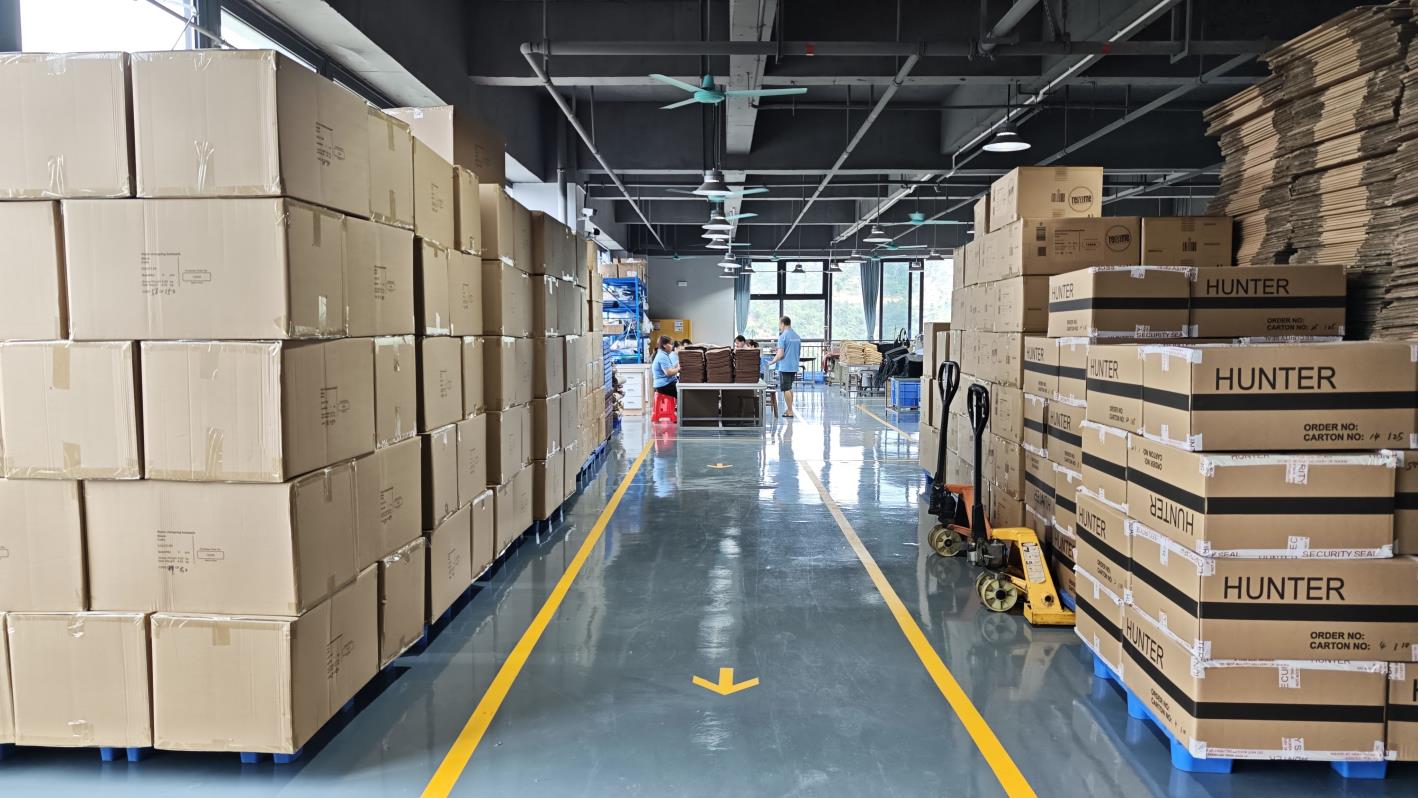
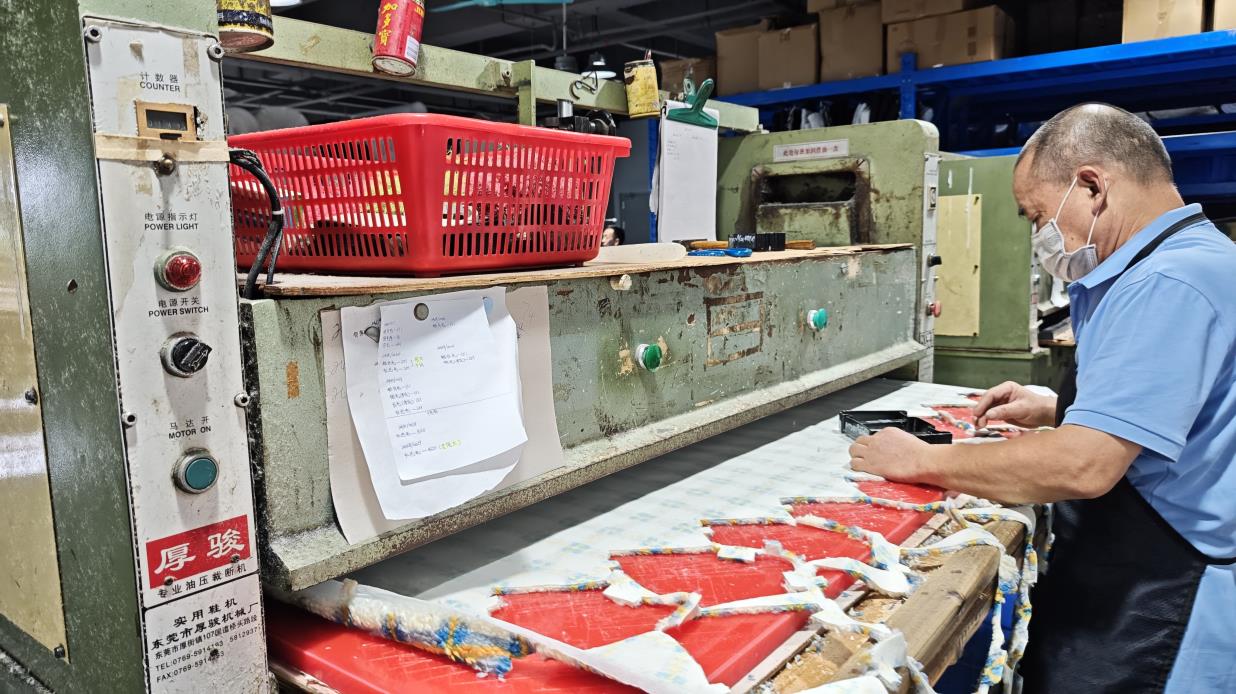
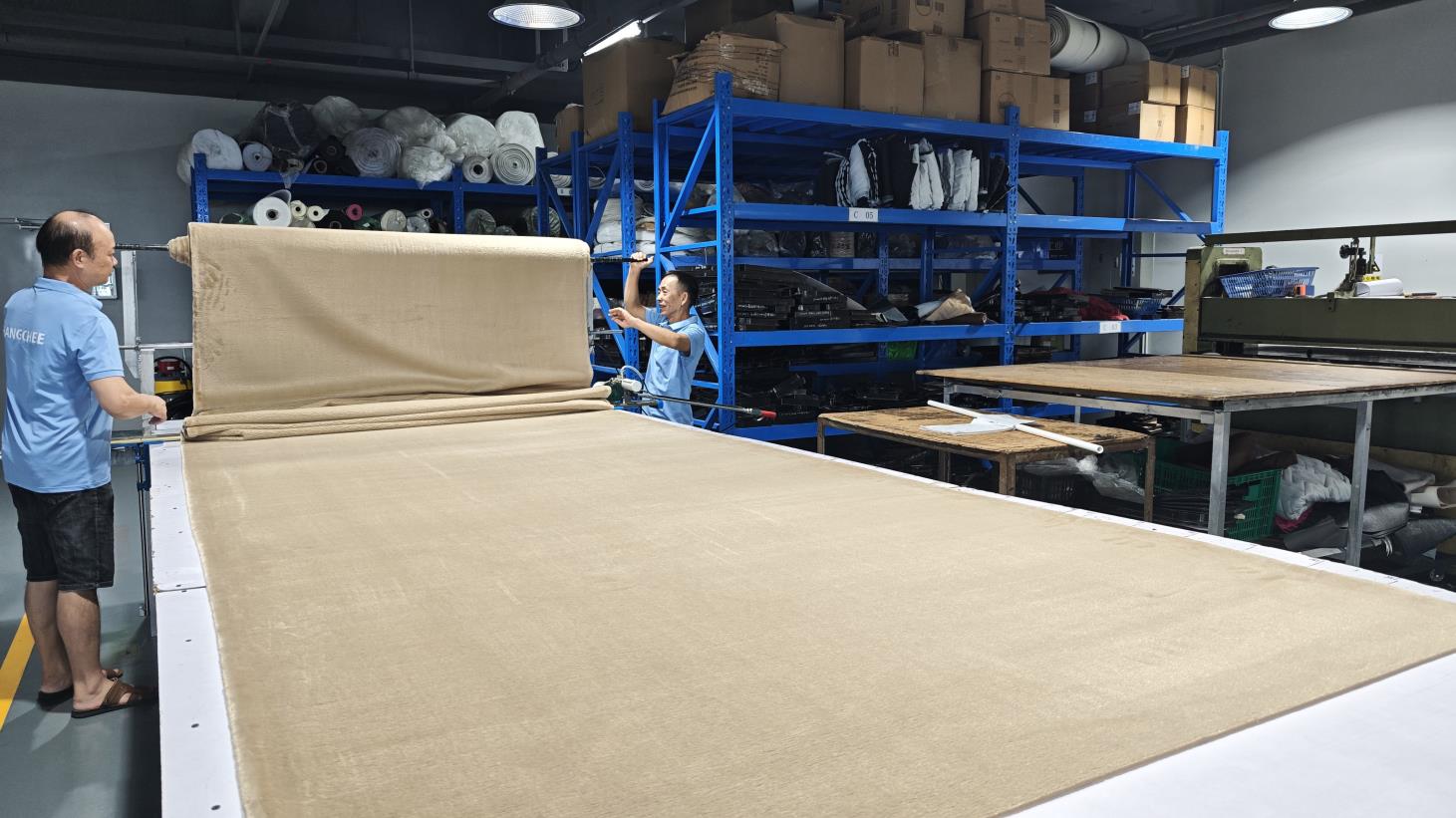
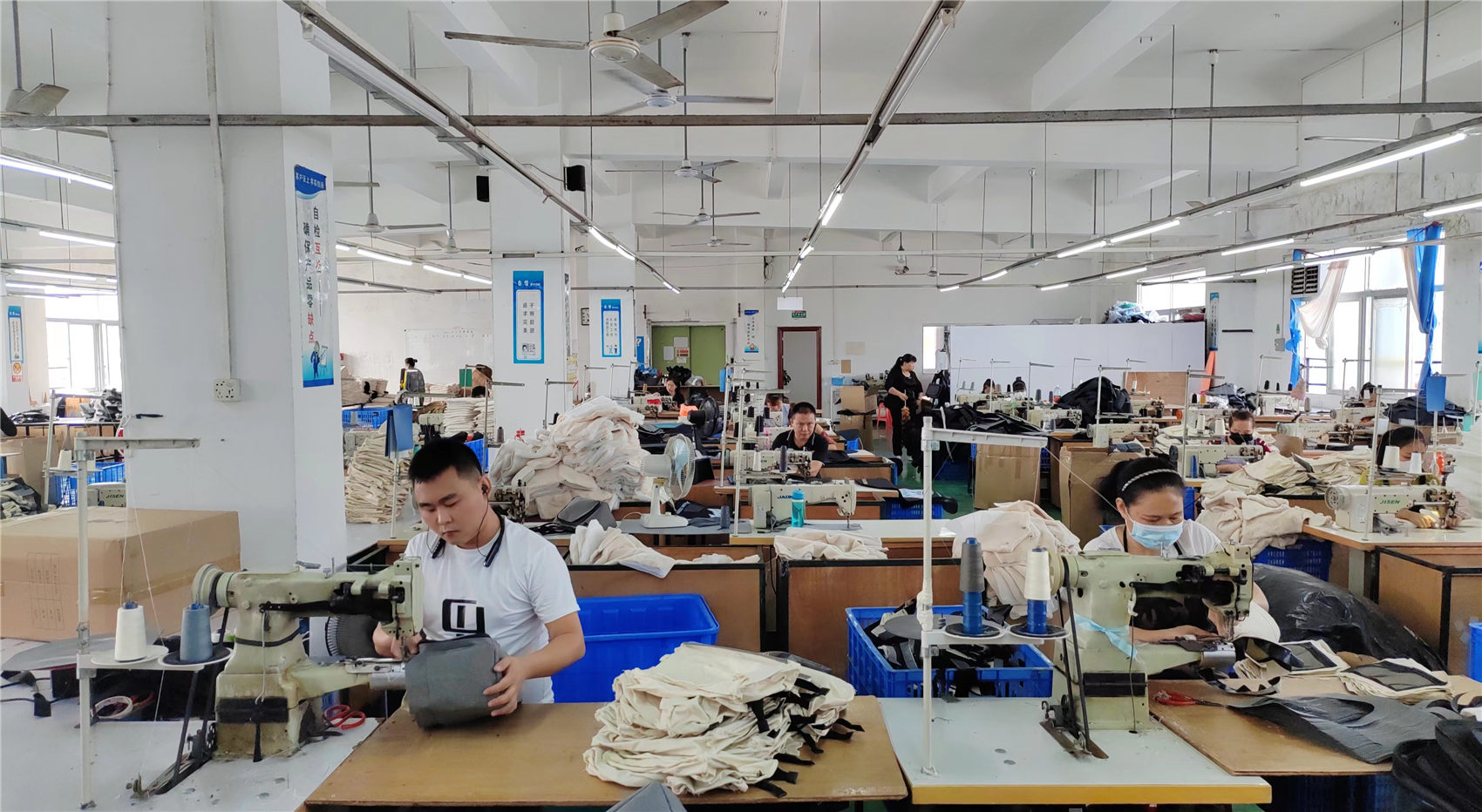
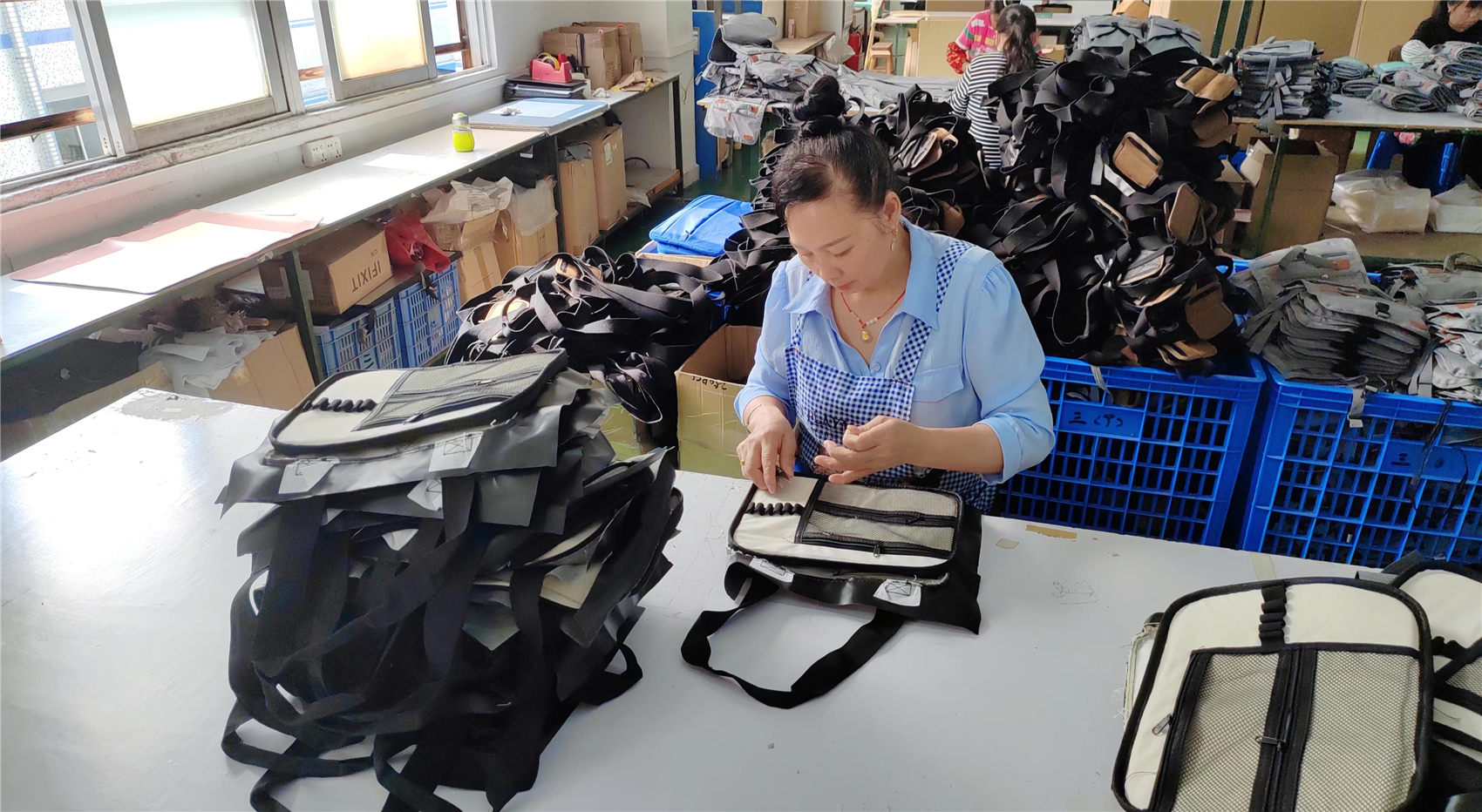
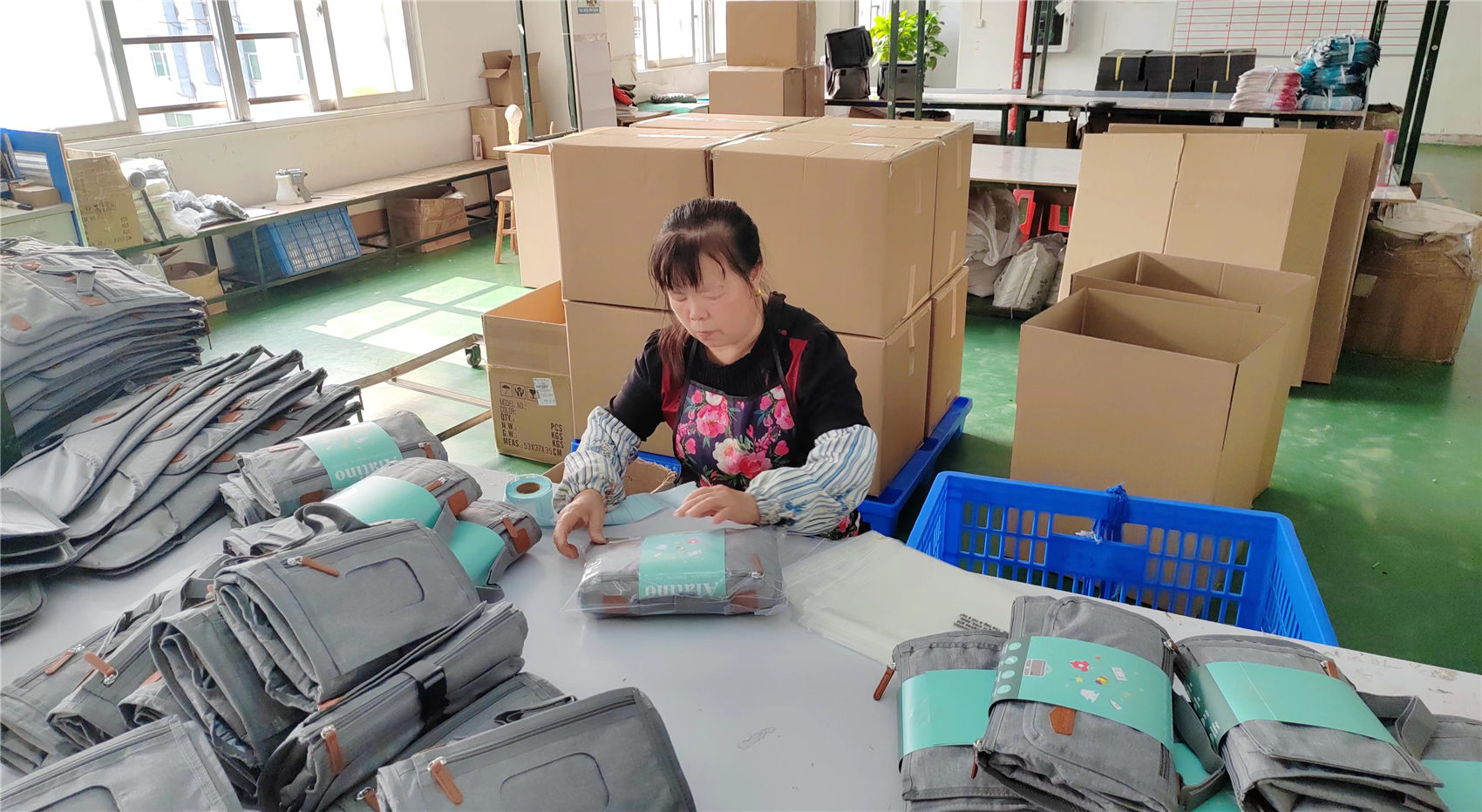
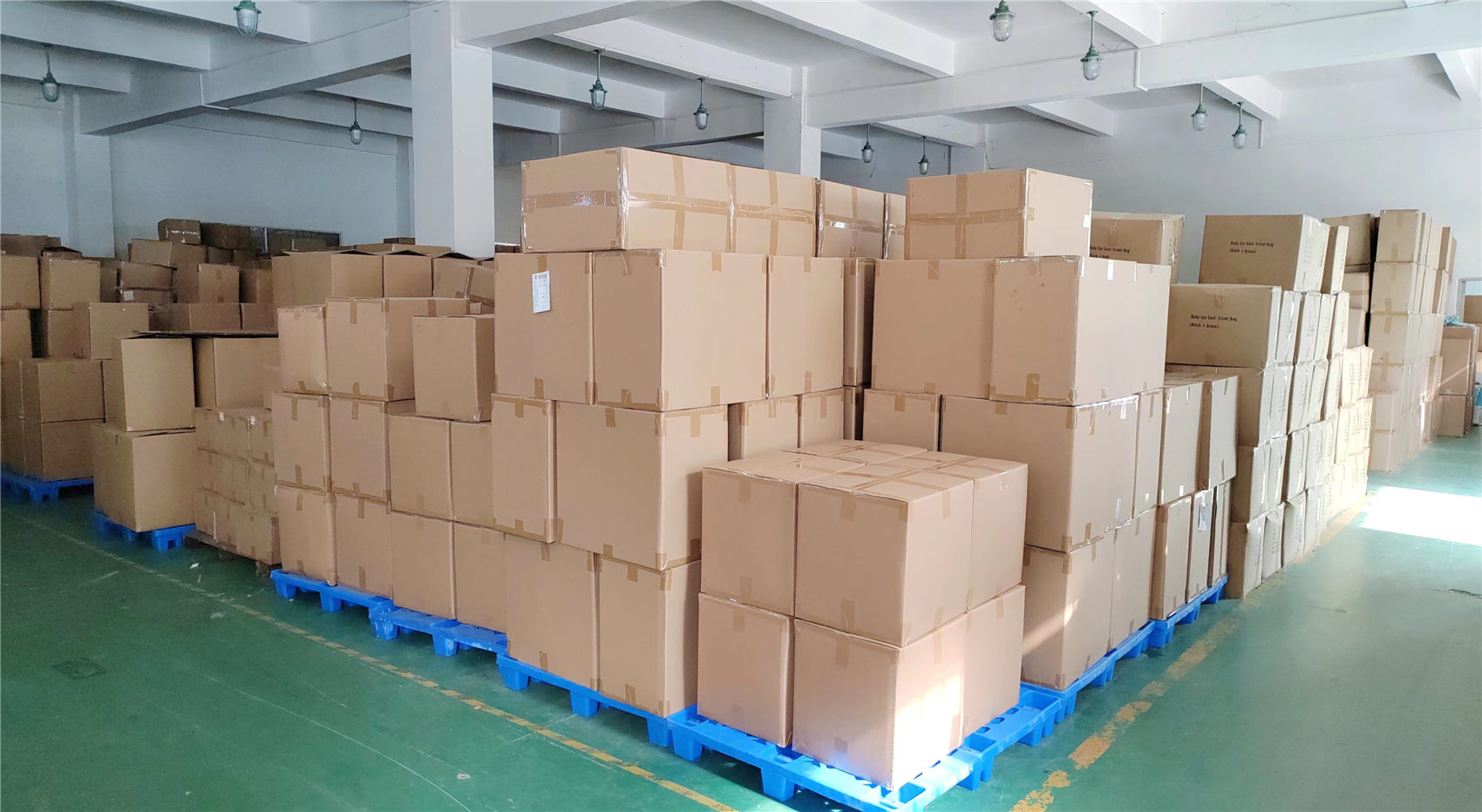
These product lines are built with specialized reinforcement points, high-grade hardware, and wear-resistant zippers to withstand regular daily use.
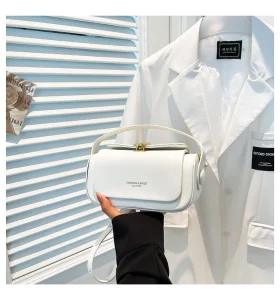
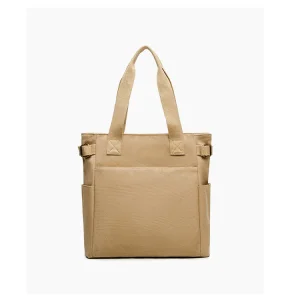
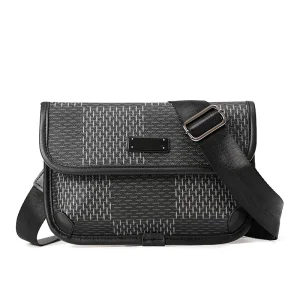
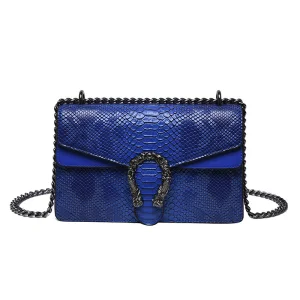
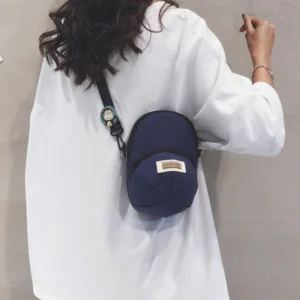
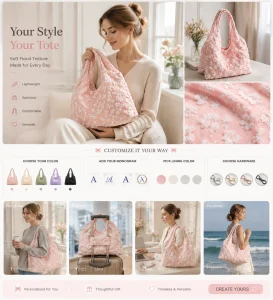
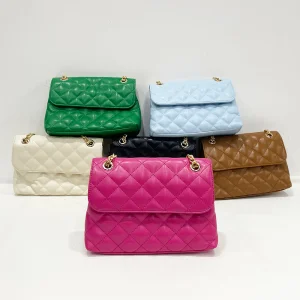
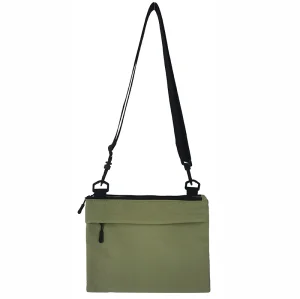
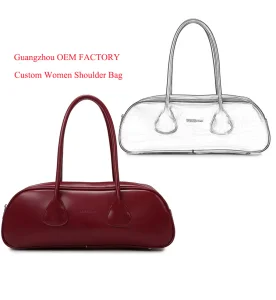
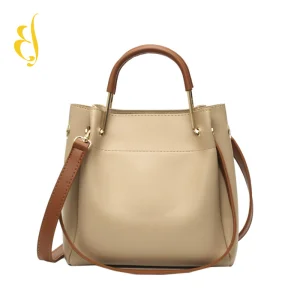
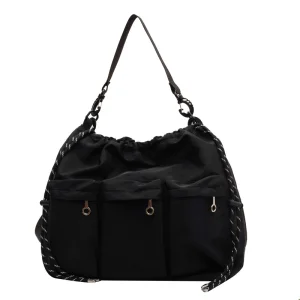
When sourcing shoulder bags for the Central Asian market, choosing the right material is critical. The combination of dry, dusty air, hot summers, and freezing winters in regional centers like Herat and Mazar-i-Sharif requires fabrics that resist premature cracking, fading, and tearing.
For utilitarian slings, computer briefcases, and messenger bags, we utilize premium raw nylon and 600D to 1680D high-density polyester. Unlike standard grades, these fabrics are treated with a double polyurethane backing layer, providing water resistance and dust protection.
To match modest fashion trends without compromising durability, we use polyurethane (PU) synthetic leather formulations that resist hydrolysis. This prevents the surface peeling commonly caused by temperature swings.
Our canvas bags use ring-spun cotton canvas. This material provides breathability and high tensile strength, making it a popular option for local university students and general consumer markets.
Our factory floor in Baigou uses dedicated testing protocols, subjecting zippers, shoulder straps, and seams to load and cyclical tension tests. This ensures our products handle daily use without structural failure.
We provide end-to-end support for B2B transactions. Our team assists with customs clearance and logistical arrangements to ensure smooth delivery from our warehouse in Baigou Town to your distribution point in Central or South Asia.
Below are answers to frequently asked questions about our manufacturing processes, ordering requirements, and logistics options for customers in Afghanistan and Central Asia.
Get in touch with our engineering and sales department today to request a free sample kit, physical catalog, or a manufacturing quote tailored to your business needs.
 Ripped Fashion