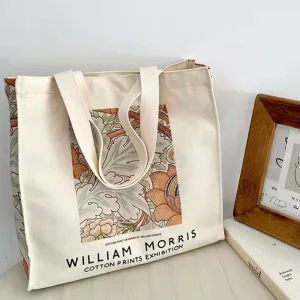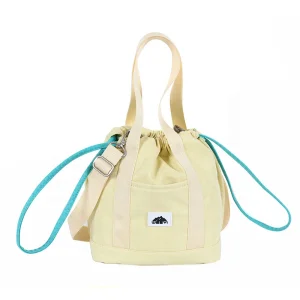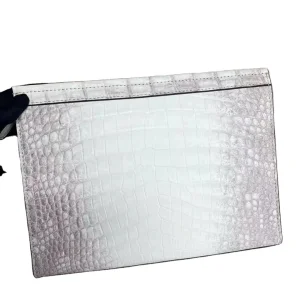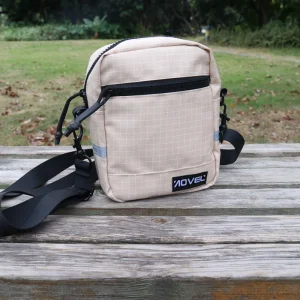
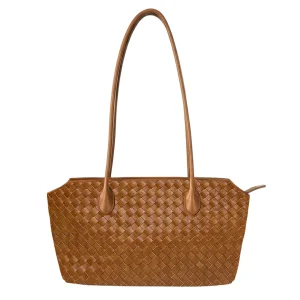
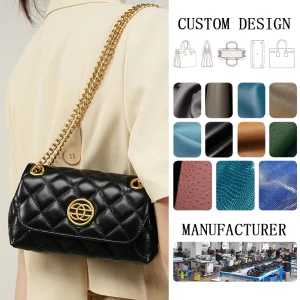
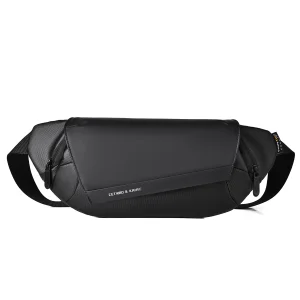
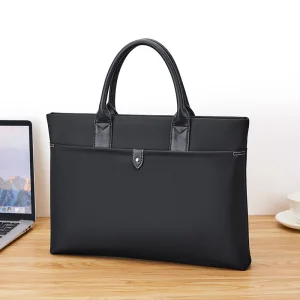
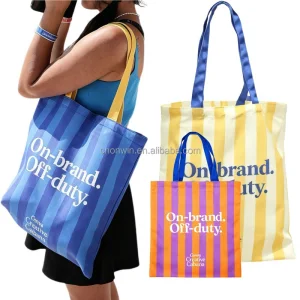
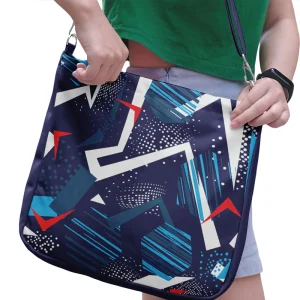
In the contemporary retail and lifestyle landscape, the fashion backpack has evolved from a utilitarian storage vessel into a dominant accessory defining style, luxury, and professional status. B2B global enterprises face unique supply chain challenges in balancing high aesthetic demands with technical structural durability.
Global demand is rapidly transitioning from cheap virgin polymers to premium recycled nylon (RPET), performance canvas, and high-tensile PU leather that replicate the luxury feel of natural cowhides without the ecological footprint.
Today's consumers demand integrated laptop compartments, anti-theft zipper layouts, smart tech integration, and lightweight ergonomic distributions integrated into clean, minimal high-fashion shapes.
With seasonal micro-trends fluctuating driven by social media platforms, brands require agile manufacturers capable of rapid prototyping, dynamic design changes, and low-inventory risk strategies.
Senior SEO Growth Insights: Under Google’s Page Experience and Semantic Search parameters, high-quality B2B content must solve user query intents like *“How to source reliable backpack manufacturers with sustainable certifications”* or *“What factors govern high-capacity bag production costs”*. To win the commercial ranking war, we present this comprehensive blueprint of Hebei Ripped Fashion's production ecosystem.
Hebei Ripped Fashion Co., Ltd. was established in 2009 in Baigou Town, Baoding City, Hebei Province—a location globally celebrated as the "Luggage Capital of China." This geographical concentration yields an unmatched competitive moat for global partners.
Within a 5-kilometer radius of our production plant, we have direct, low-cost access to thousands of material suppliers, hardware foundries, zipper developers, and specialized technicians. This geographic clustering eliminates internal logistical delays and permits immediate response cycles.
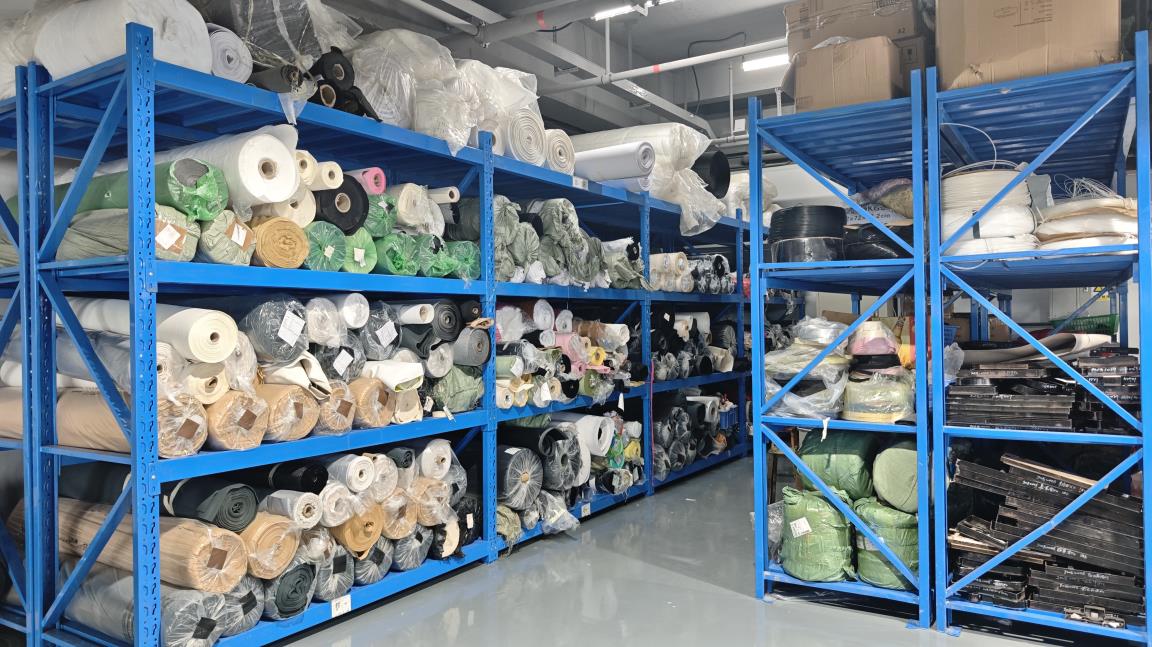
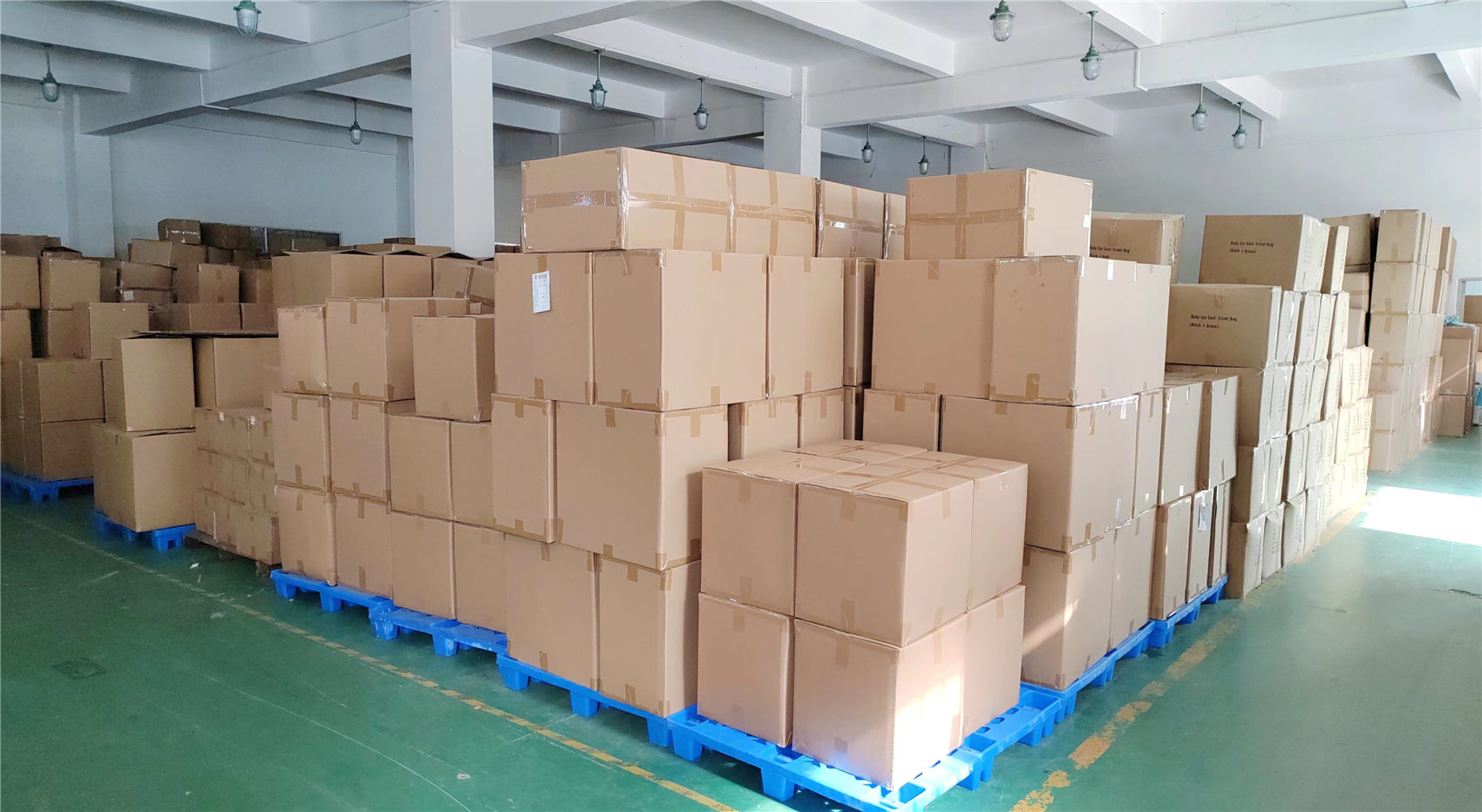
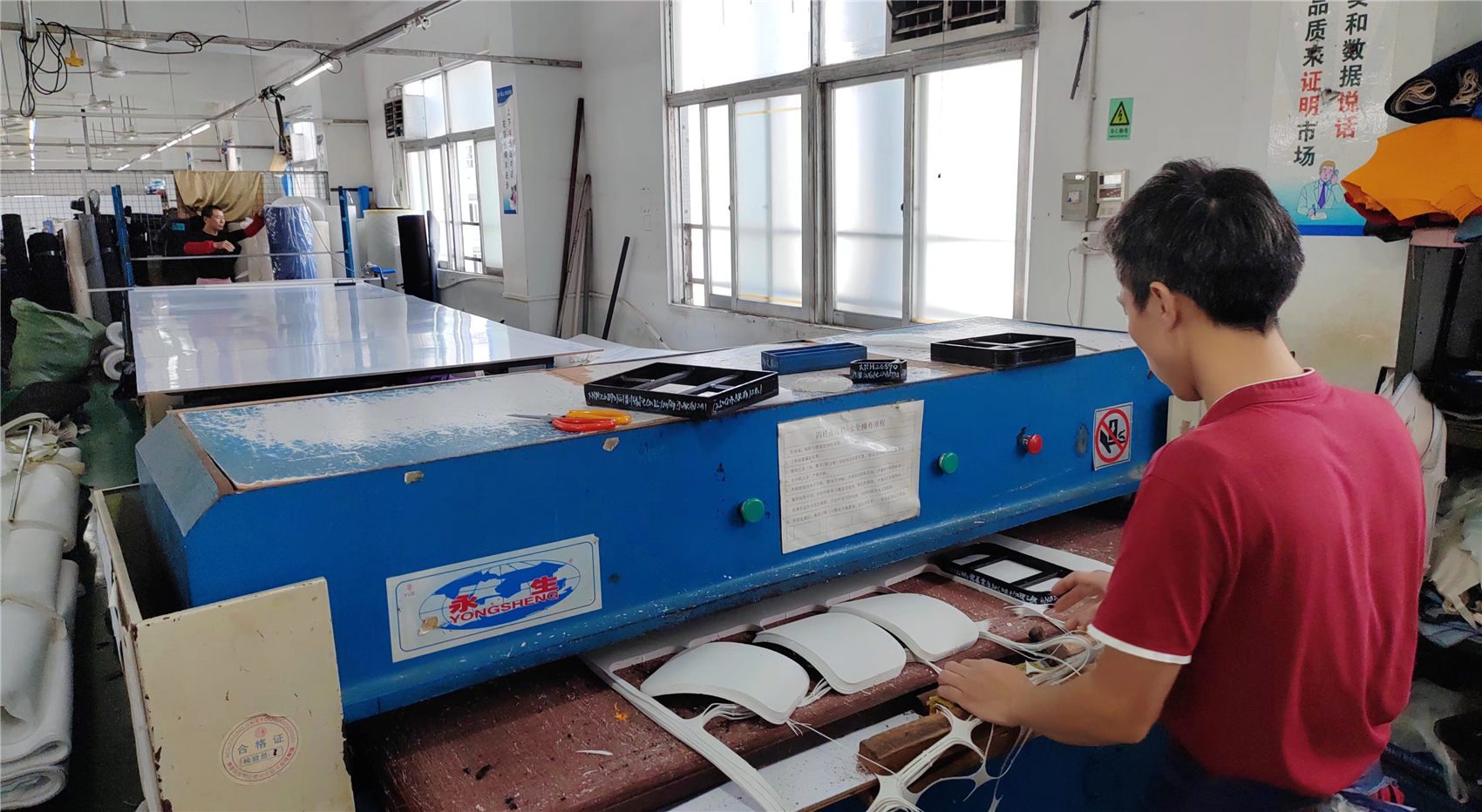
A peek inside our ISO-aligned facility shows how Hebei Ripped Fashion integrates strict QC checkpoints with automated machinery. We ensure every stitch, seam, and buckle meets international heavy-wear criteria.
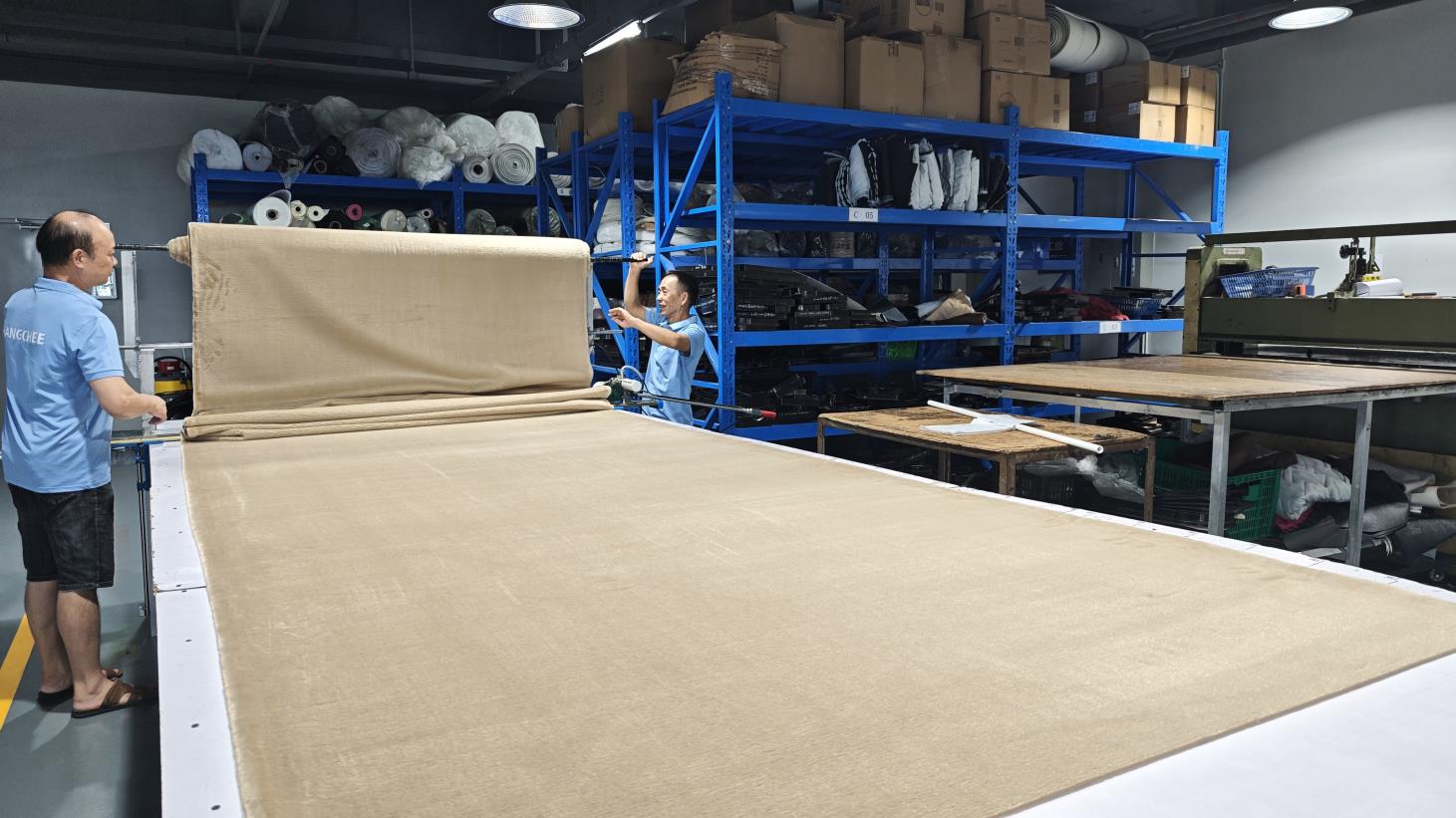
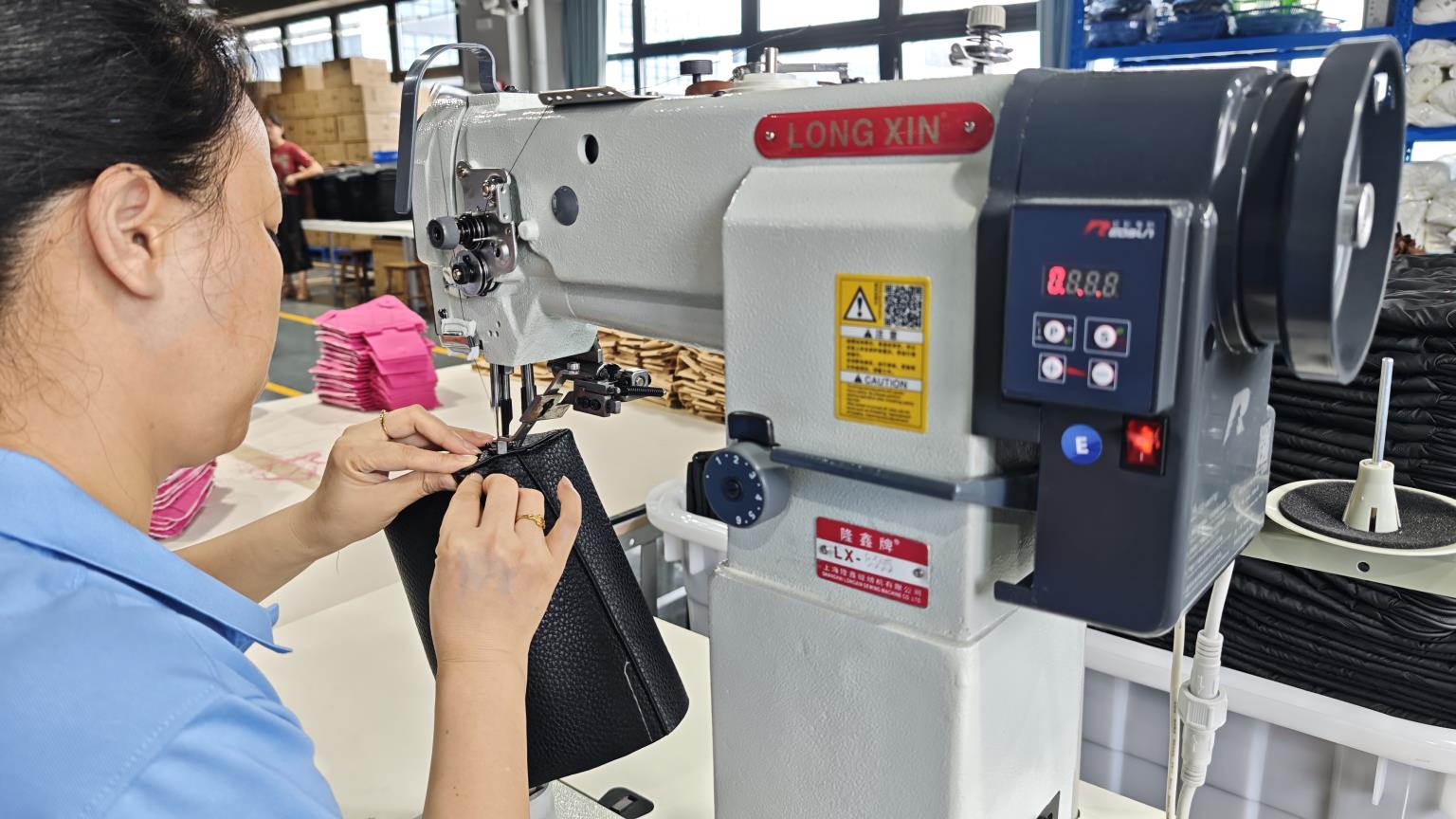
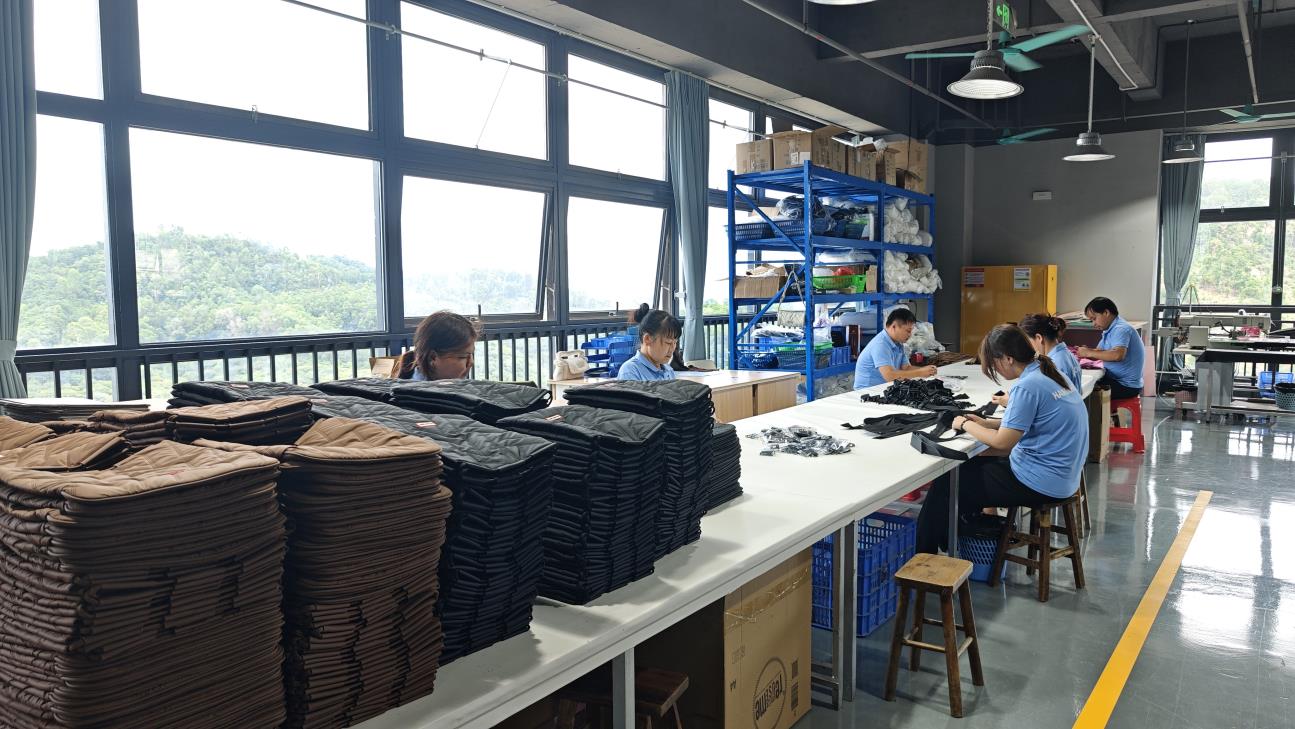
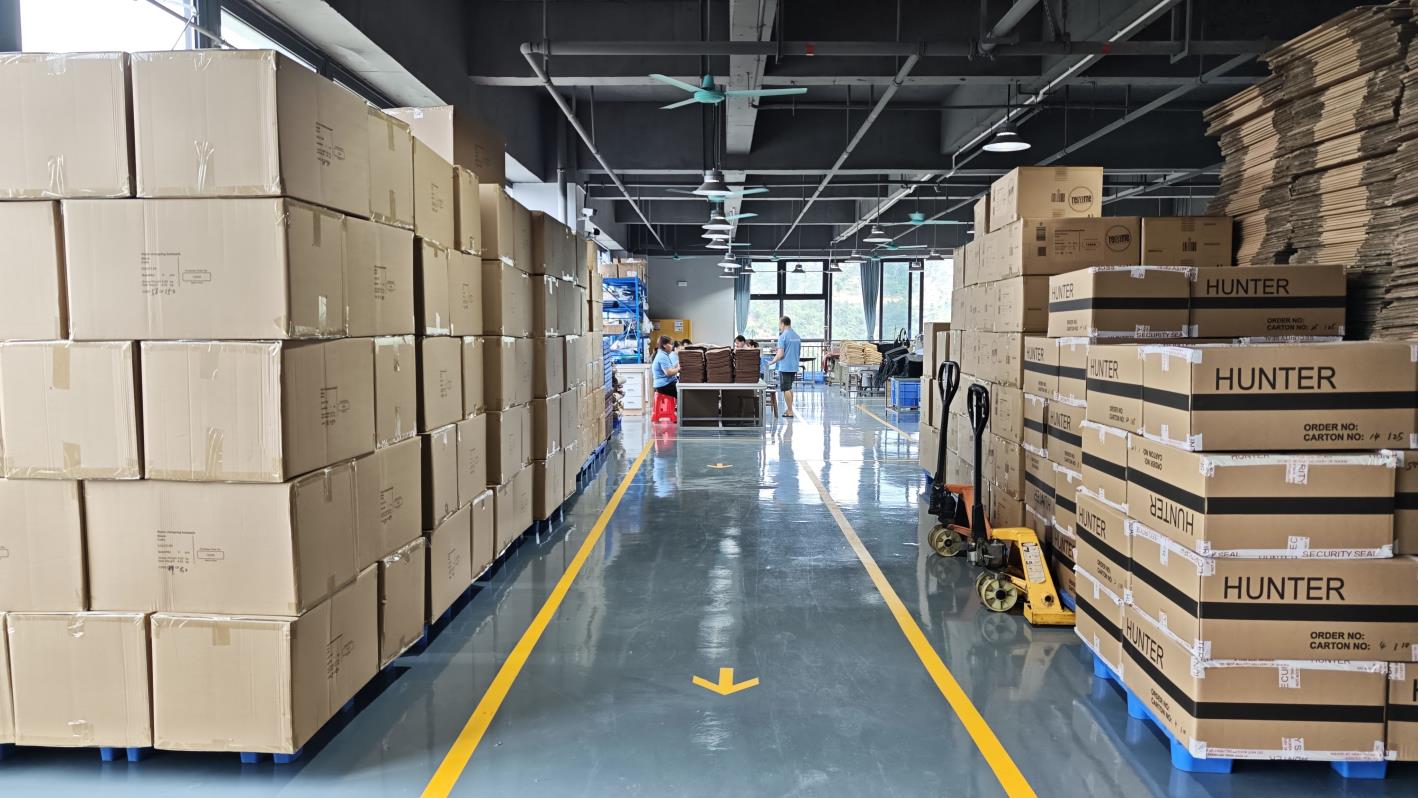
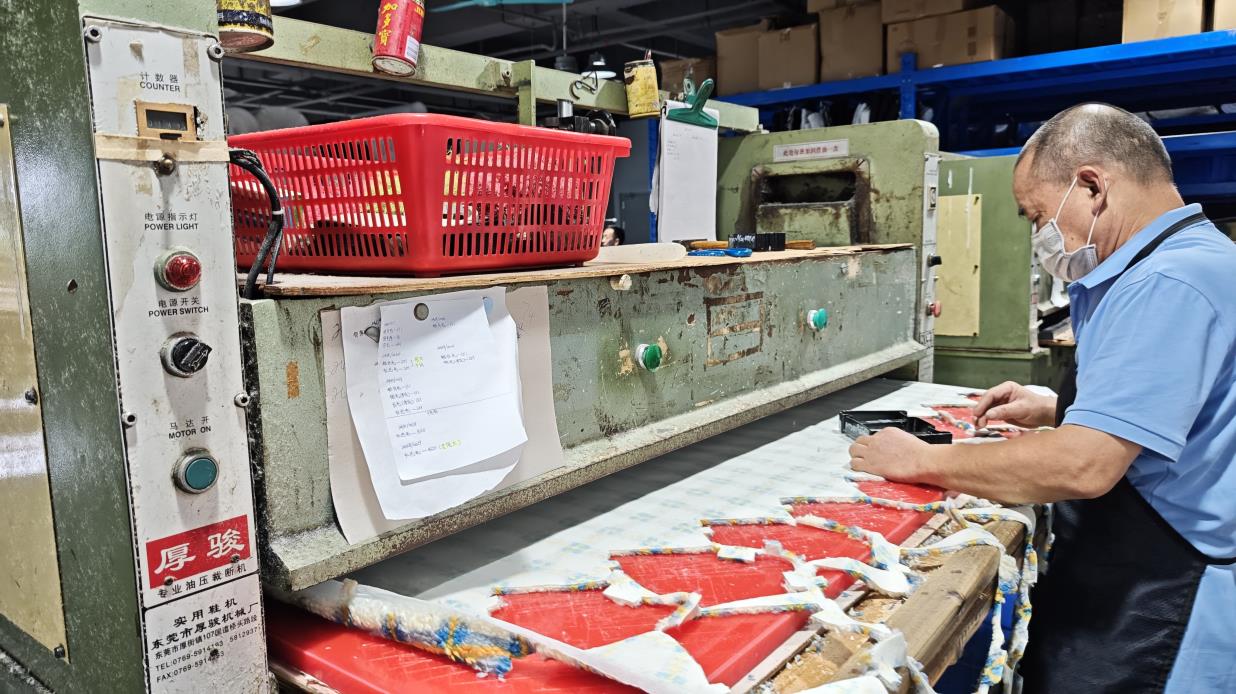
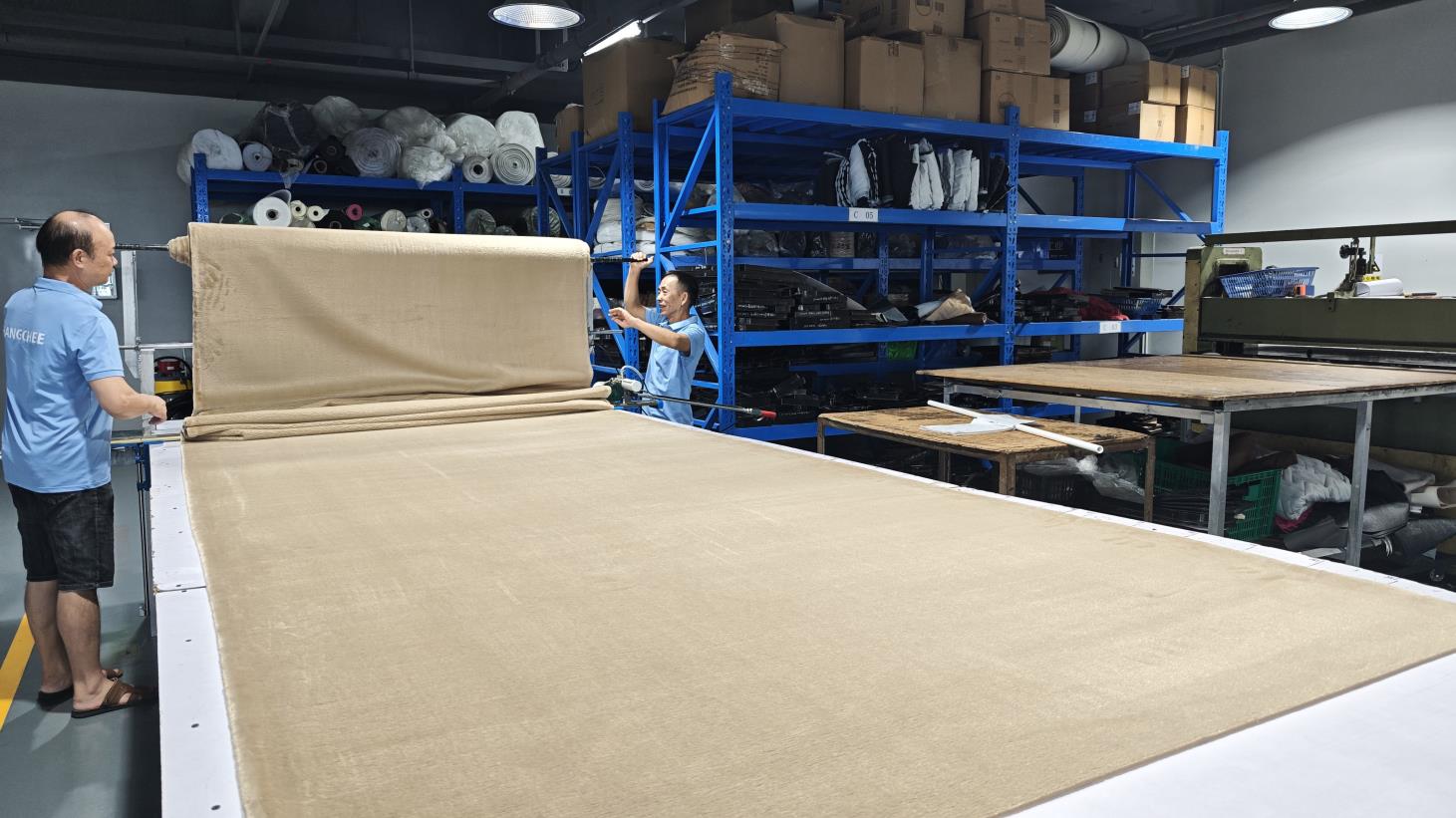
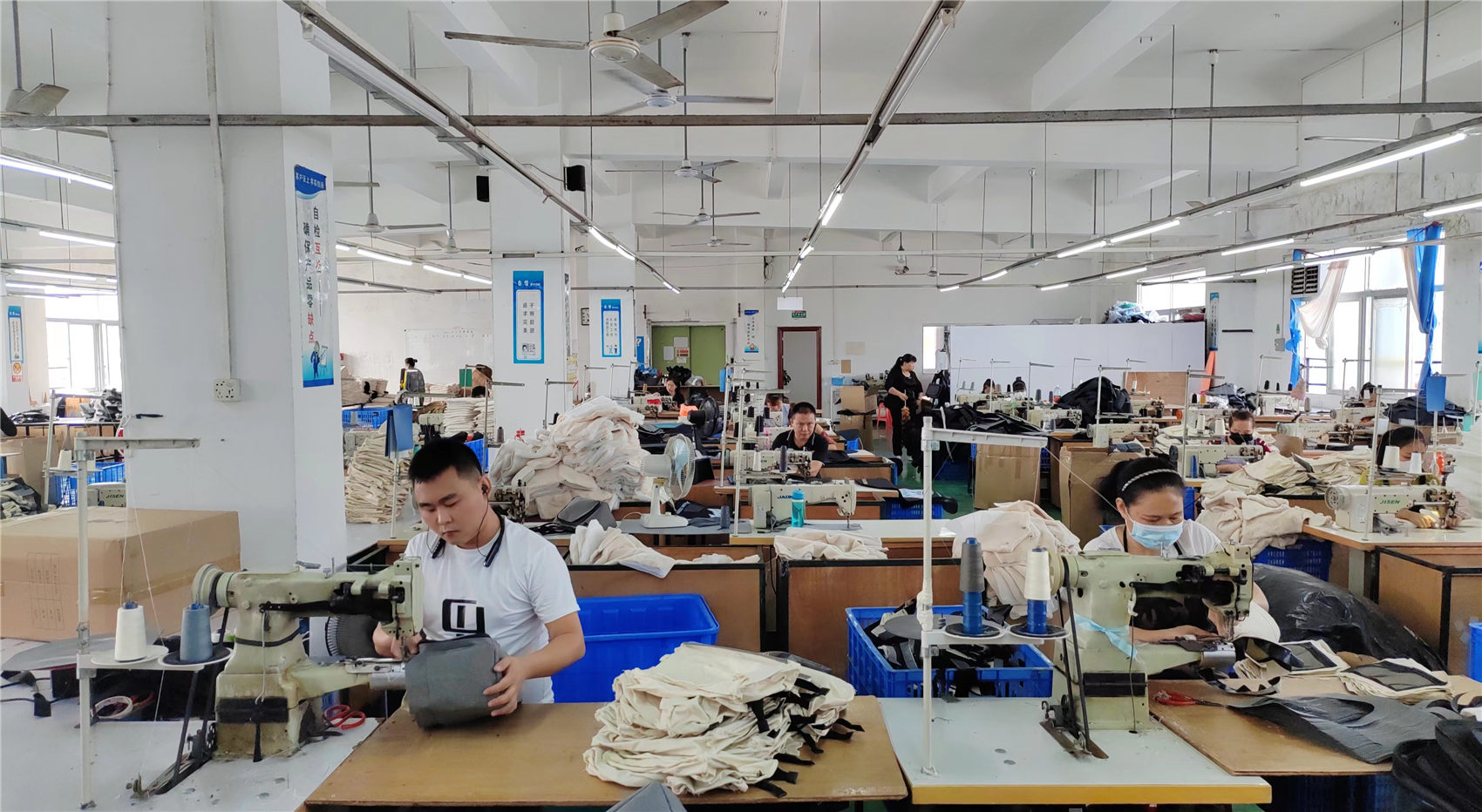
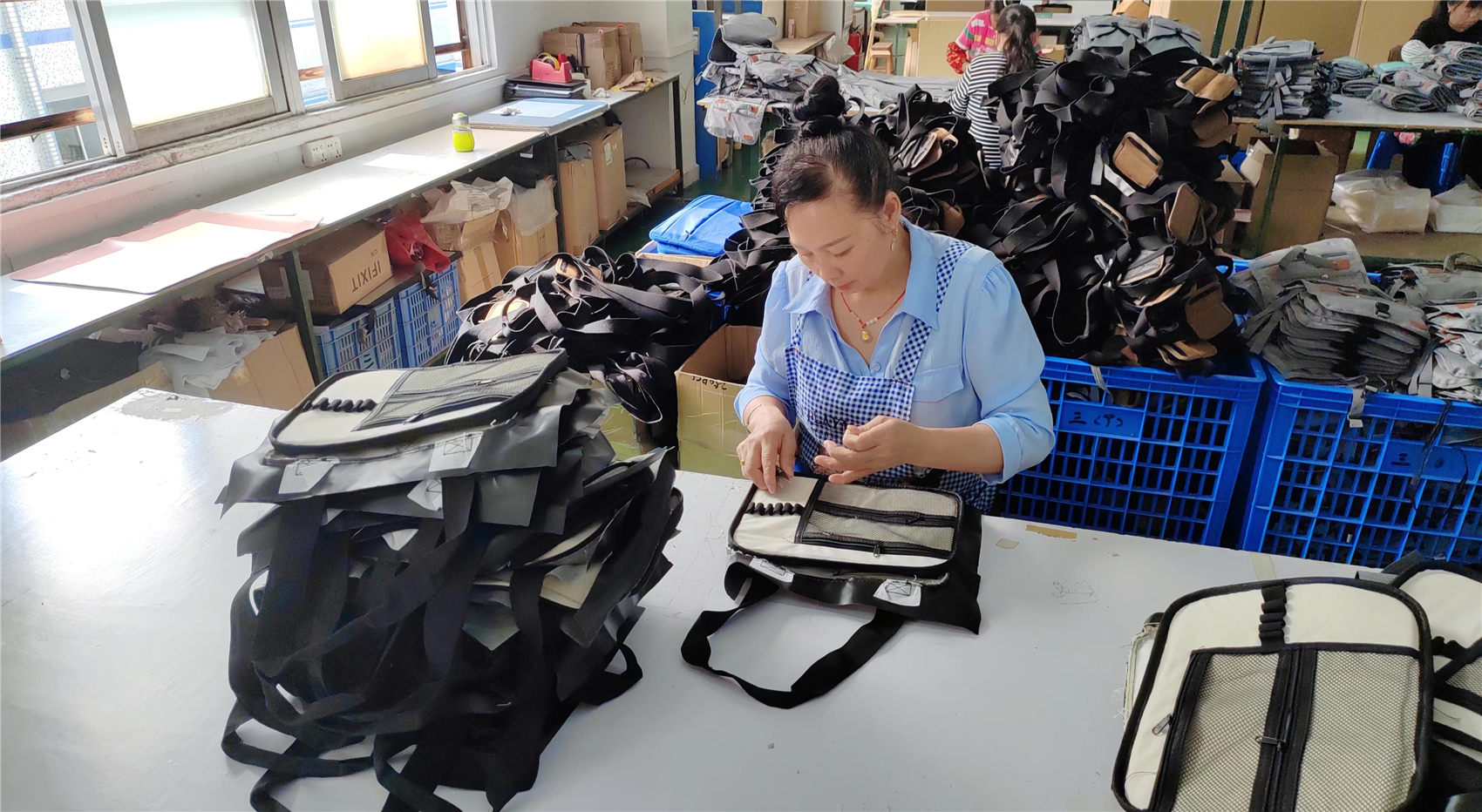
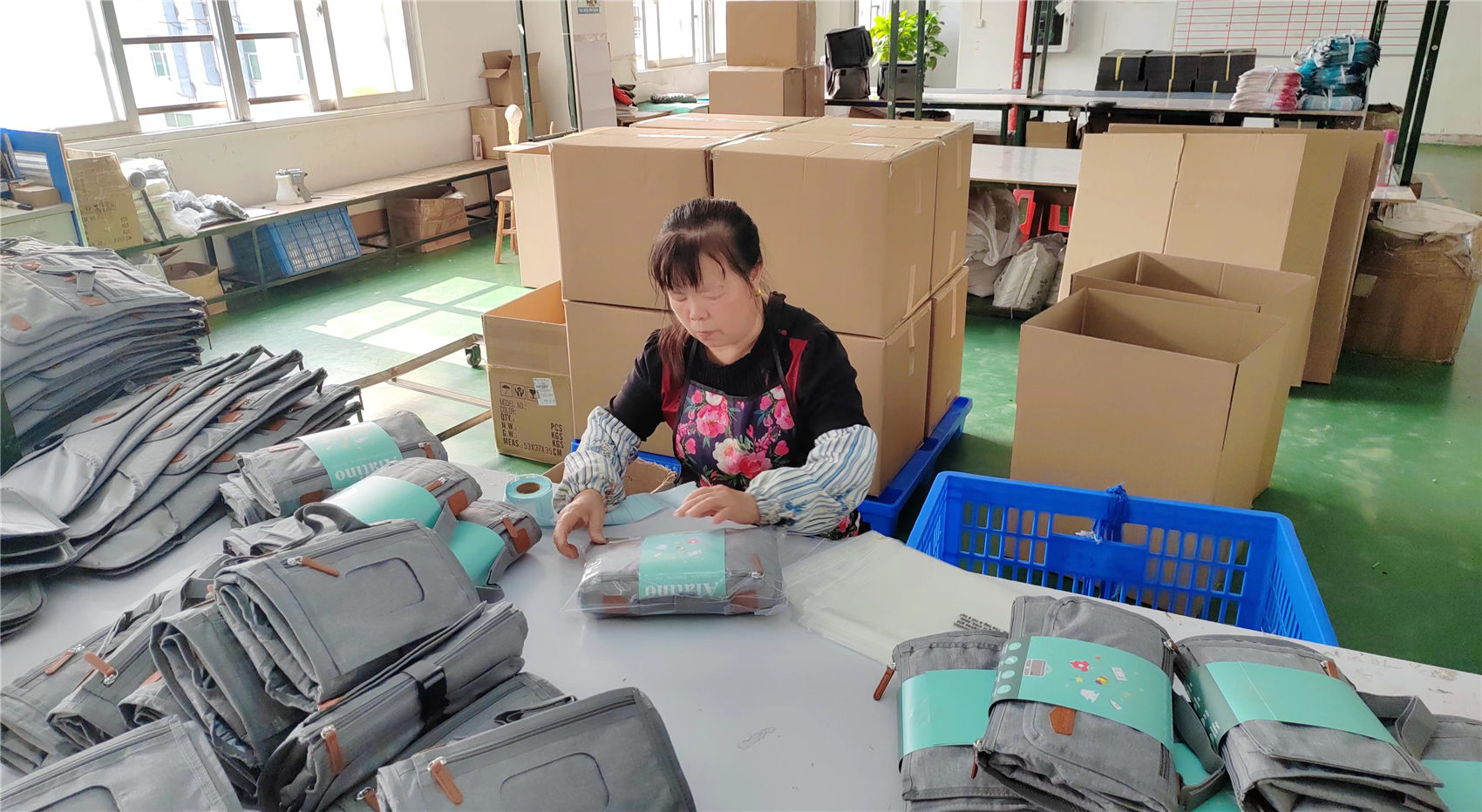
Fashion backpacks are no longer confined to school yards. By engineering designs targeted toward specific consumer environments, we help brands appeal directly to high-margin buyer segments.
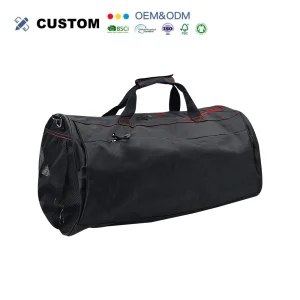
For office workers and tech professionals, backpacks require dedicated, padded sleeves for laptops (up to 16"), high-grade splashproof canvas or ballistic nylon, and minimalistic geometric shapes that pair perfectly with formal executive business attire.
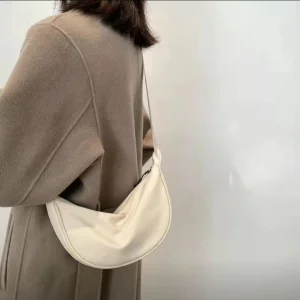
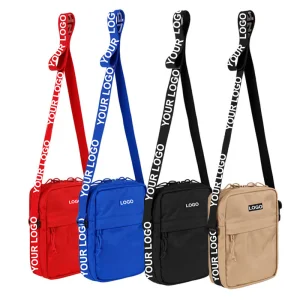
Sling purses, crossbody multi-purpose fanny packs, and lightweight nylon bags are optimized for active city commuters, cyclists, and leisure travelers who value hands-free convenience, secure anti-theft zippers, and quick-access utility storage.
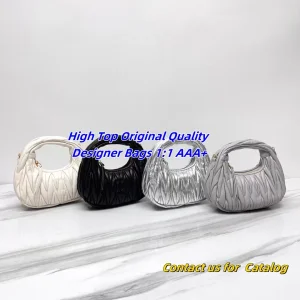
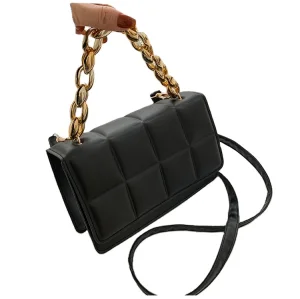
Utilizing high-texture PU leathers, holographic trims, premium chain straps, and tailored mini-silhouettes. These statements are engineered for the style-conscious youth market who use their backpacks as high-visibility style statement pieces.
International procurement departments do not just source physical products—they source operational security and risk mitigation. At Hebei Ripped Fashion Co., Ltd., we have spent more than 20 combined years tailoring our logistics, quality assurance protocols, and manufacturing compliance guidelines to fulfill these specific institutional requirements.
From large-scale chain stores in North America to boutique retail distributors throughout the European Union, our workflows are built to support clean, transparent execution of bulk orders.
According to internal data of international supply chains, companies that work directly with localized clustering manufacturers in regions like Baoding, China report an average 22% reduction in shipping-related overhead and a 30% reduction in manufacturing error margins compared to fragmented, decentralized tier-2 sourcing agents.
Detailed technical, financial, and logistical insights directly from our factory floor to assist your sourcing decisions.
Our standard manufacturing MOQ depends on the complexity of the bag structure and the chosen base material. Generally, for nylon fabric or polyester designs, our base production runs start at 500 units per design. For premium PU leather patterns, the MOQ can be lowered based on material colors. We also offer scale-up pricing tiers for larger bulk configurations.
The process begins with your design sketch, tech pack, or reference sample. Our CAD division models the structural pattern. We select specific canvases, lining materials, and hardware finishes. A physical mock-up is finalized within 5 to 7 working days. Once your team evaluates and approves the mock-up, we move forward with the pre-production sample and full line tooling.
We source raw fabric dyes from certified suppliers who utilize digital spectrocolorimeters to verify color matching within strict tolerance margins. Quality control checks occur at three points: when raw materials arrive, during assembly lines, and during random final inspections before packaging. This system allows us to keep defects below 0.5%.
We subject our fashion backpacks to intensive wear testing: zipper fatigue testing (up to 5,000 cycles), tensile testing on straps and seams to ensure load-bearing capacity, and friction colorfastness tests to verify that dyes do not rub off onto fabrics or clothing under humid conditions.
 Ripped Fashion