Explore our premium curated collection of convertible bags and utility carriers engineered for global corporate procurement.
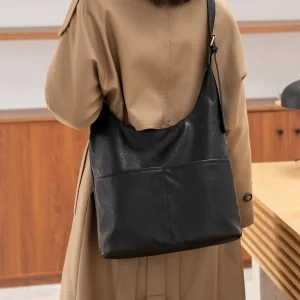
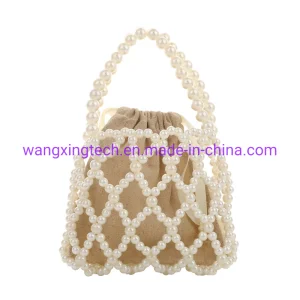
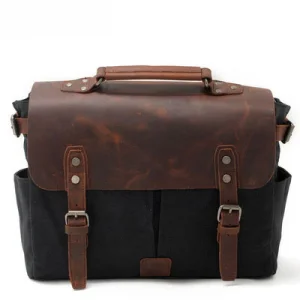
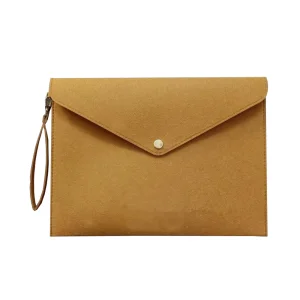
A strategic overview of industrial multi-use carry system development and modern engineering standards.
Information Gain Insight: The modern B2B convertible bag sector has transitioned from simple visual aesthetic modifications to complex, load-tested ergonomic engineering. Top factories are now expected to produce high-durability fabrics equipped with custom strap mechanics that can pivot instantly from ergonomic backpacks to corporate-ready executive briefcases without hardware fatigue.
As international consumer patterns lean progressively toward dynamic versatility, enterprise buyers and global luggage brands require highly specialized partners to address their supply chain needs. Hebei Ripped Fashion Co., Ltd., founded in 2009, operates at the heart of this manufacturing shift. Positioned strategically within Baigou Town, Baoding City, Hebei Province—affectionately recognized globally as the "luggage capital of China"—the organization harnesses the depth of local specialized supply networks to offer complete custom solutions.
With an extensive manufacturing blueprint encompassing a 3,000-square-meter facility (including a dedicated 2,000-square-meter streamlined workshop) and an expert staff of over 300 experienced professionals, the company addresses the high-volume demand spikes of global importers. The manufacturing portfolio extends beyond common carry-alls to encompass multi-way convertible bags, specialized backpacks, heavy-duty waist bags, and premium eco-friendly canvas totes. Backed by 20+ years of accumulated engineering knowledge, Ripped Fashion ensures every custom build integrates international safety standards, modern aesthetics, and durable component assembly.
Understanding critical specifications, engineering bottlenecks, and high-standard procurement criteria.
Modern consumers demand seamless mode transformations. A premier convertible bag must transition from a formal, single-strap executive briefcase into an ergonomic, dual-strap commuter backpack in under 10 seconds. The factory designs structural anchor points, hidden buckle channels, and magnetic lock integrations to make transitions effortless and clean.
Unlike standard static bags, convertible systems experience localized stress at the mechanical transformation joints. We construct bags using high-density textiles, including 900D water-repellent Oxford cloth, abrasion-resistant Cordura, reinforced waxed canvas, and eco-certified PU leather. Critical stress points feature double-bar tack stitching to prevent tearing.
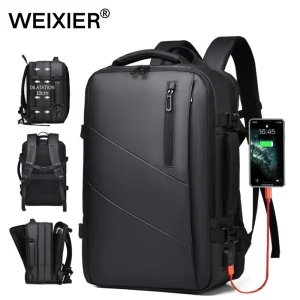
To support hybrid lifestyles, bags must organize tech gear safely. Our manufacturing parameters integrate dedicated, high-impact foam-cushioned chambers for 15.6 to 17.3-inch laptops, anti-theft RFID shielding pockets for security, hidden pockets for passports, and integrated external USB fast-charging bypass channels.
Trace the transition of premium materials through our production line under AQL 2.5 quality control standards.
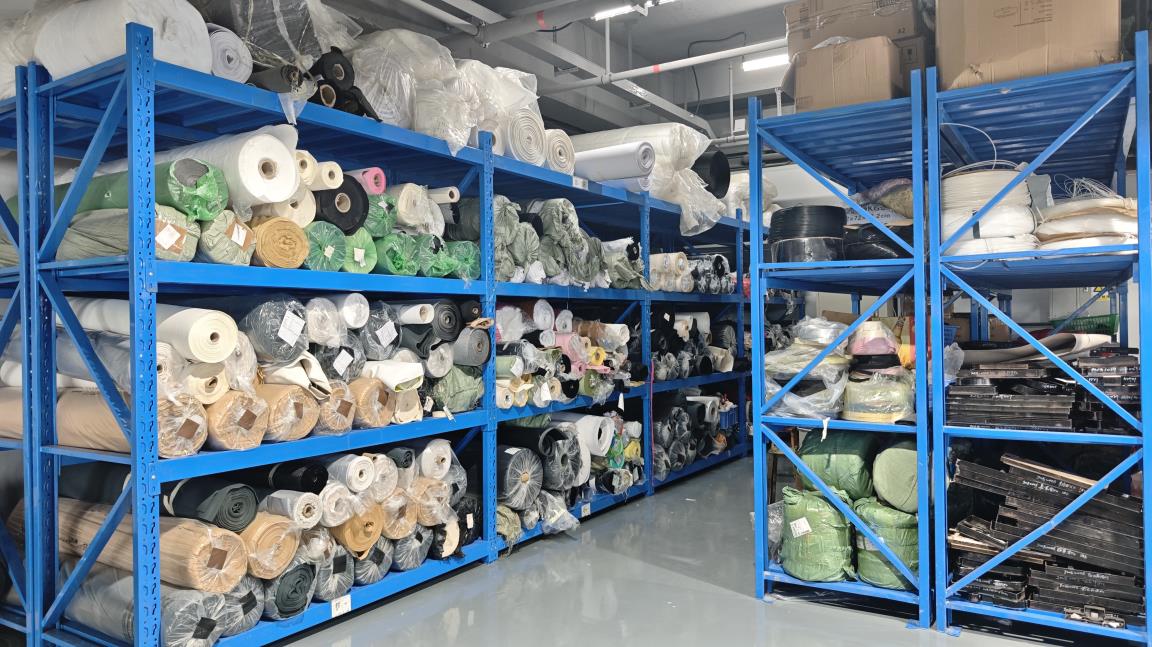
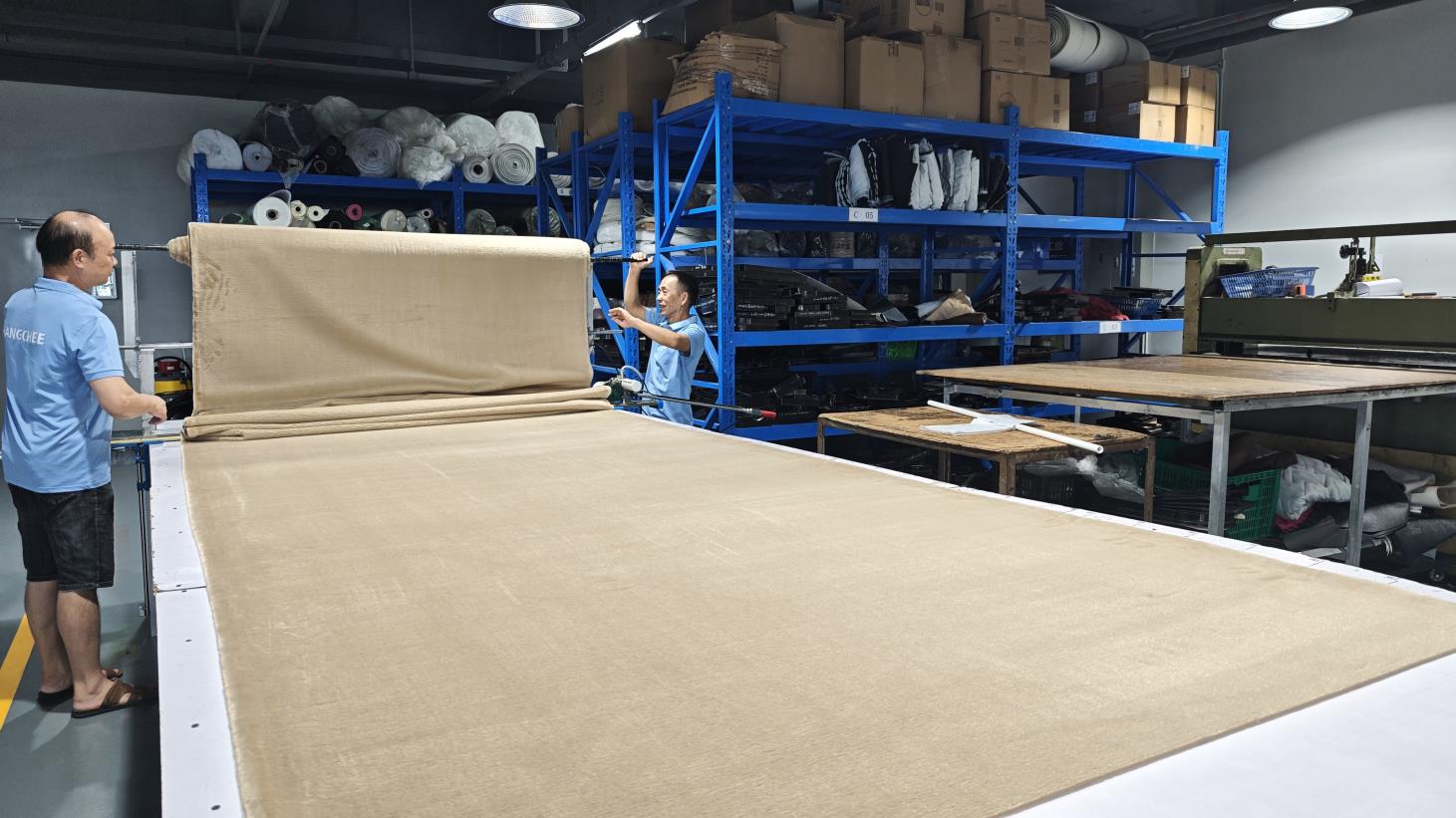
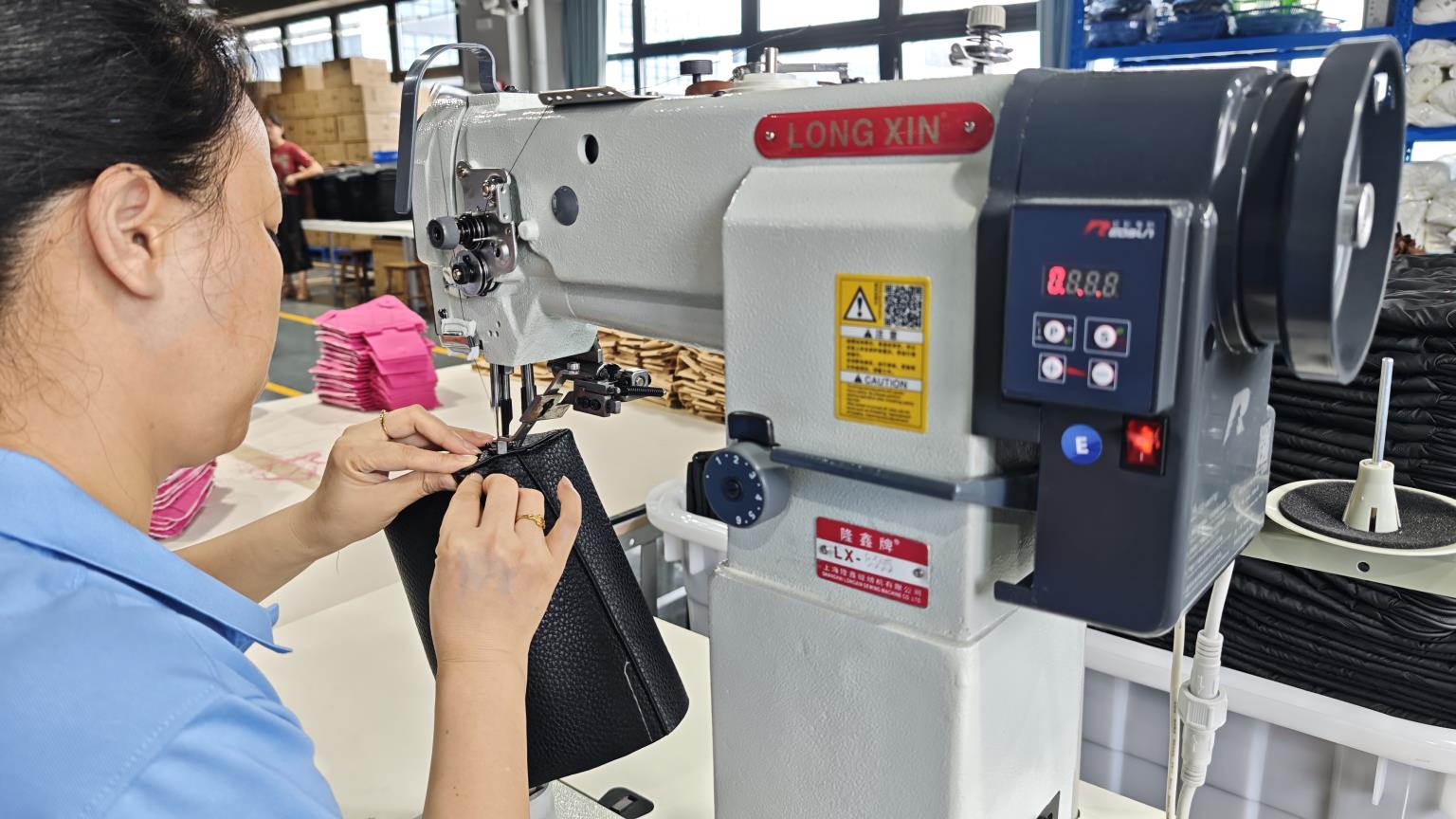
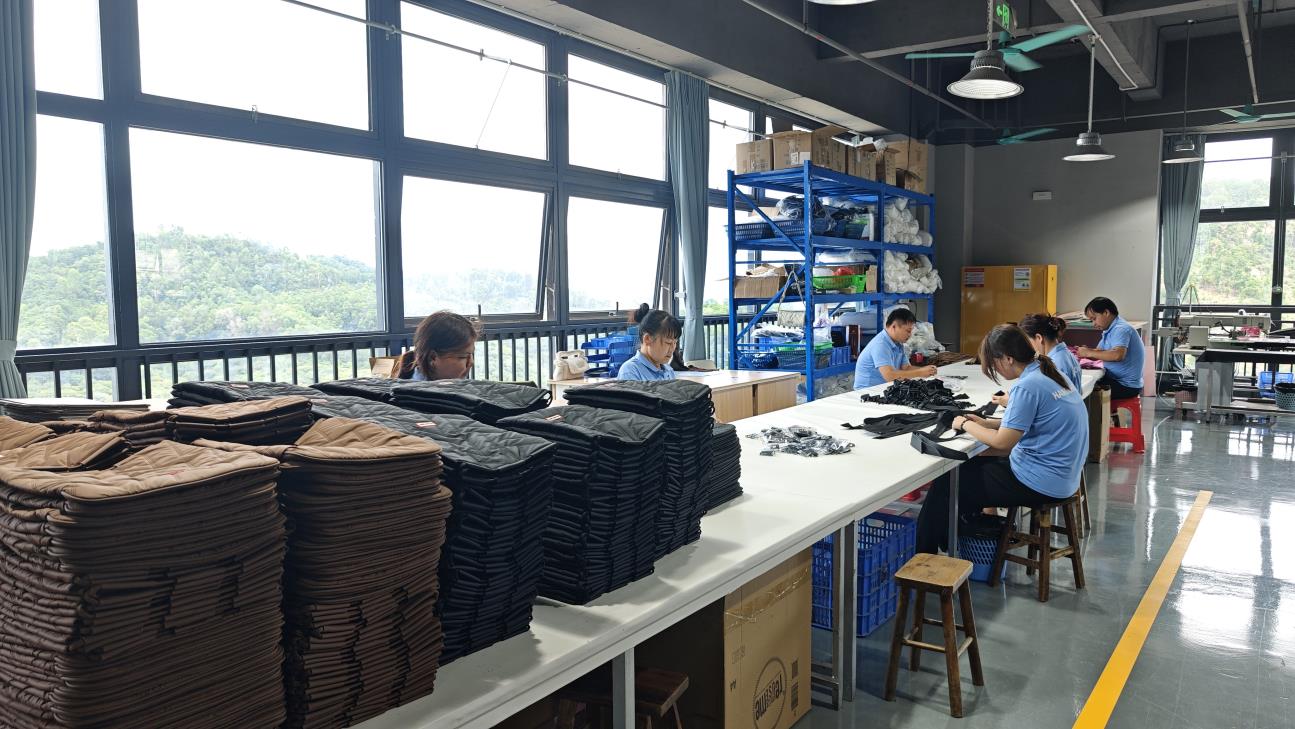
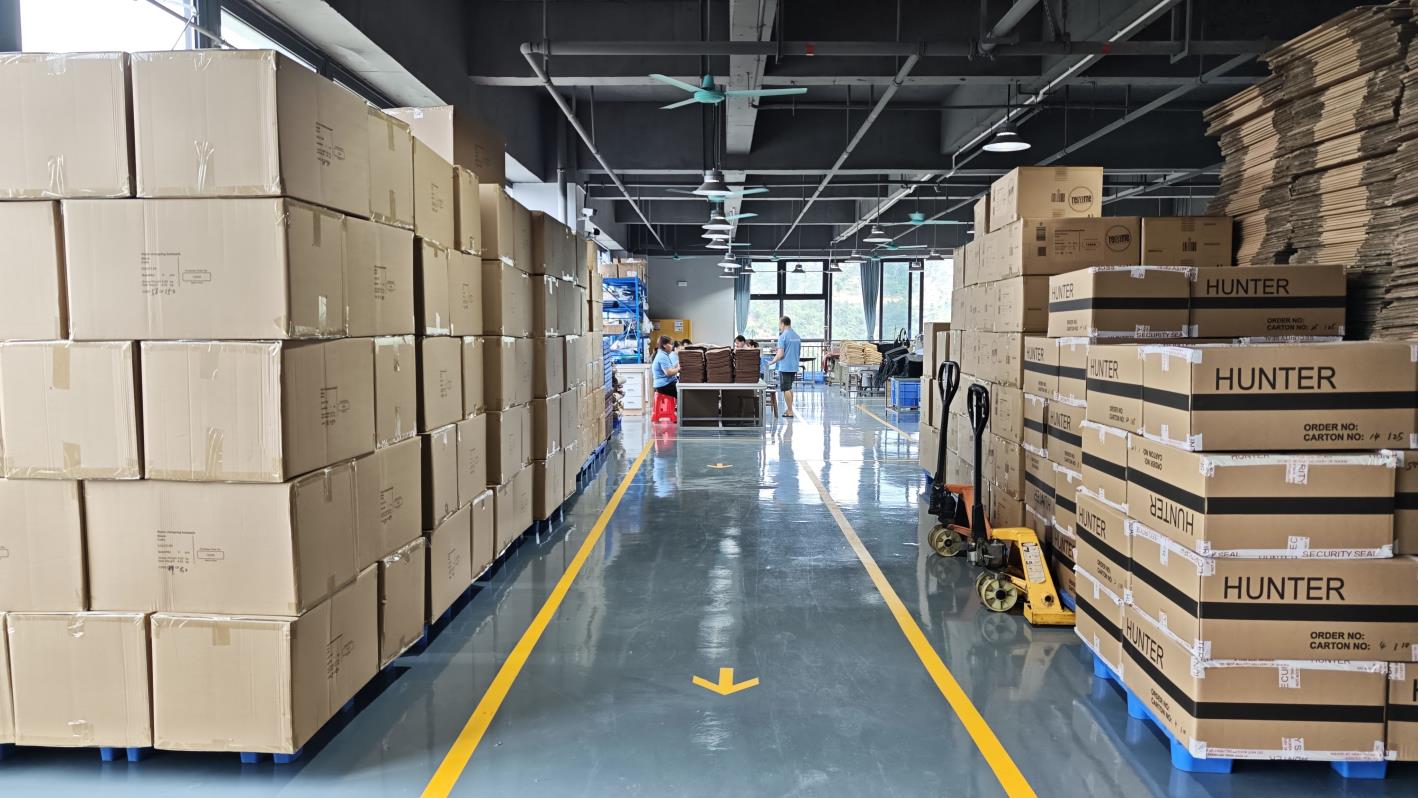
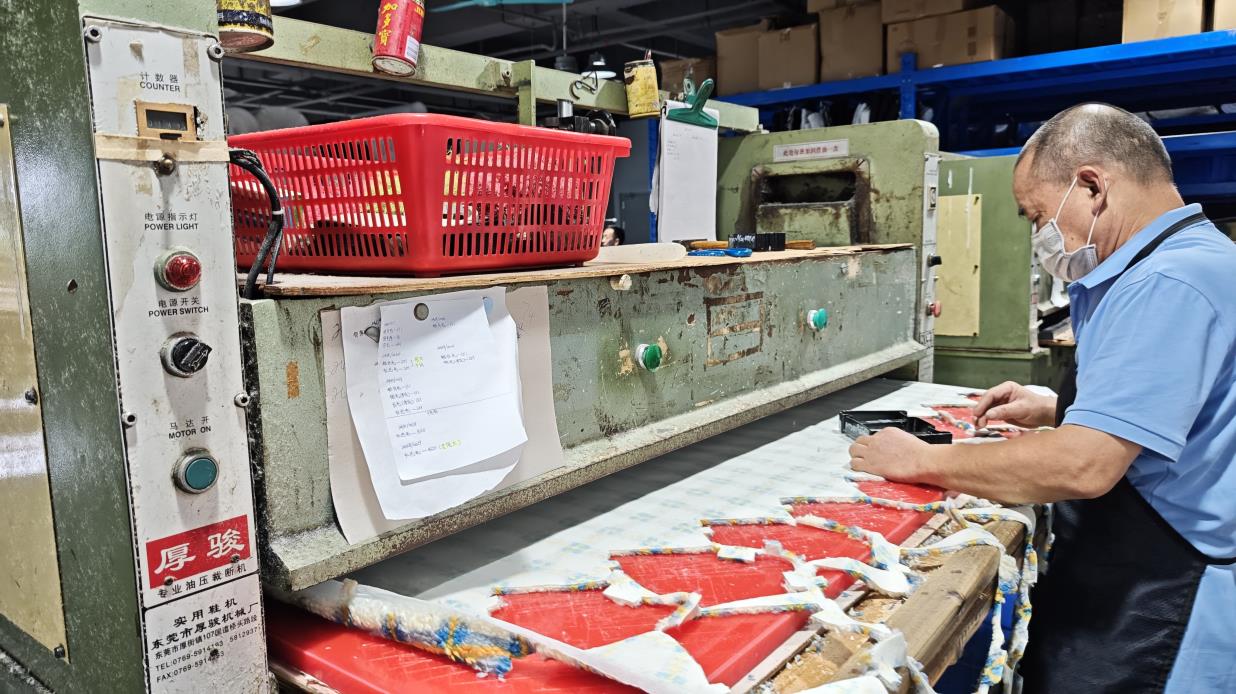
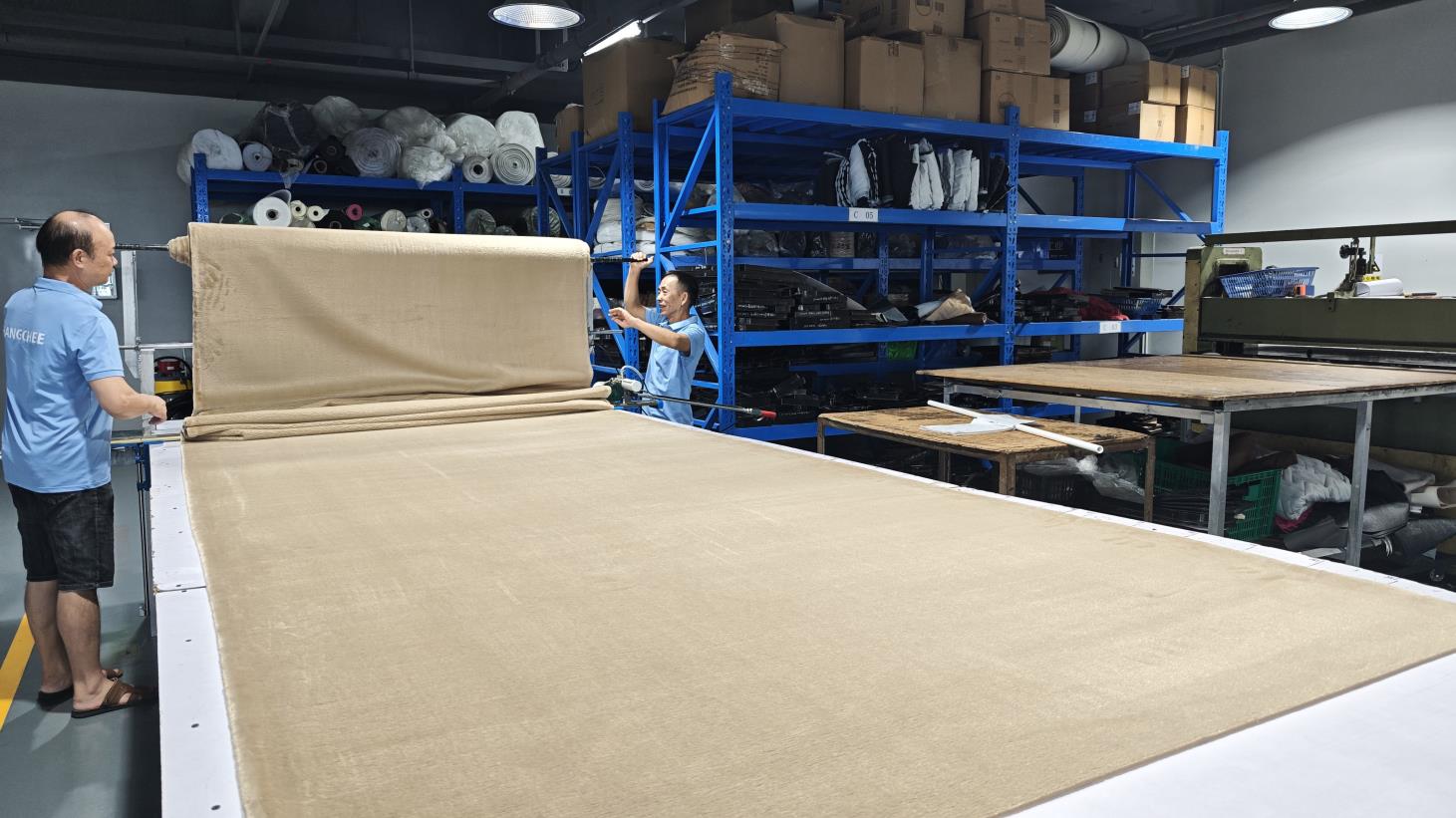
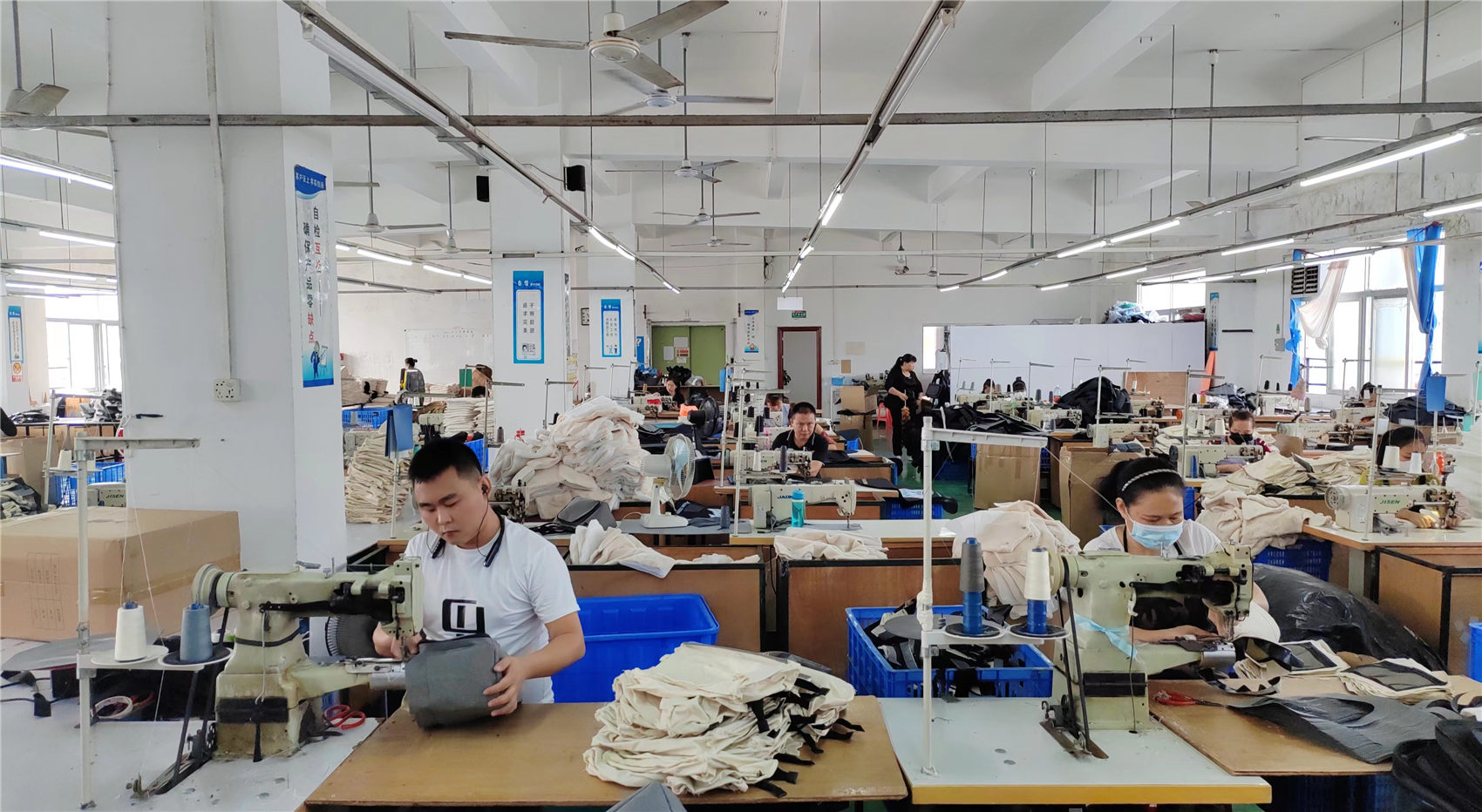
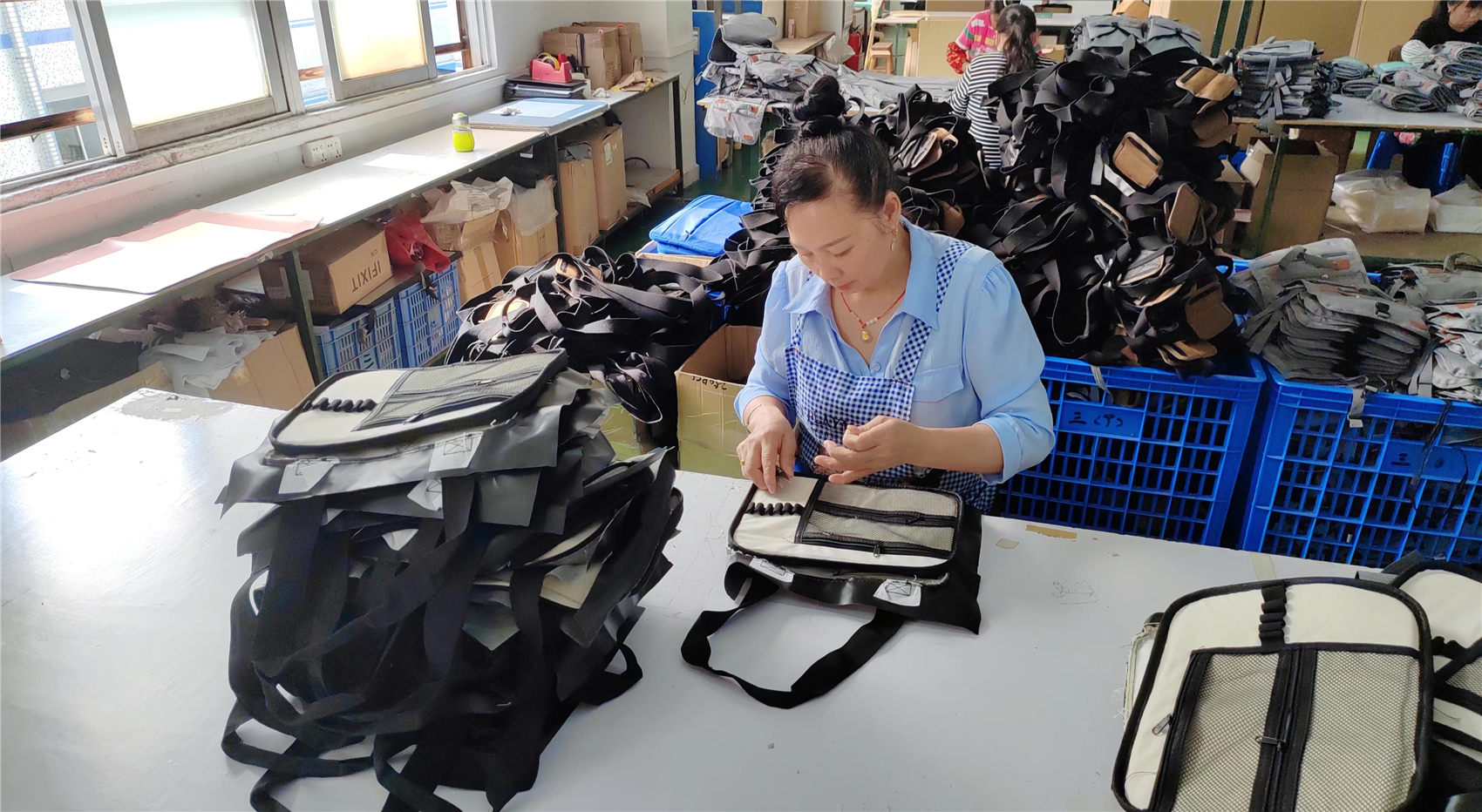
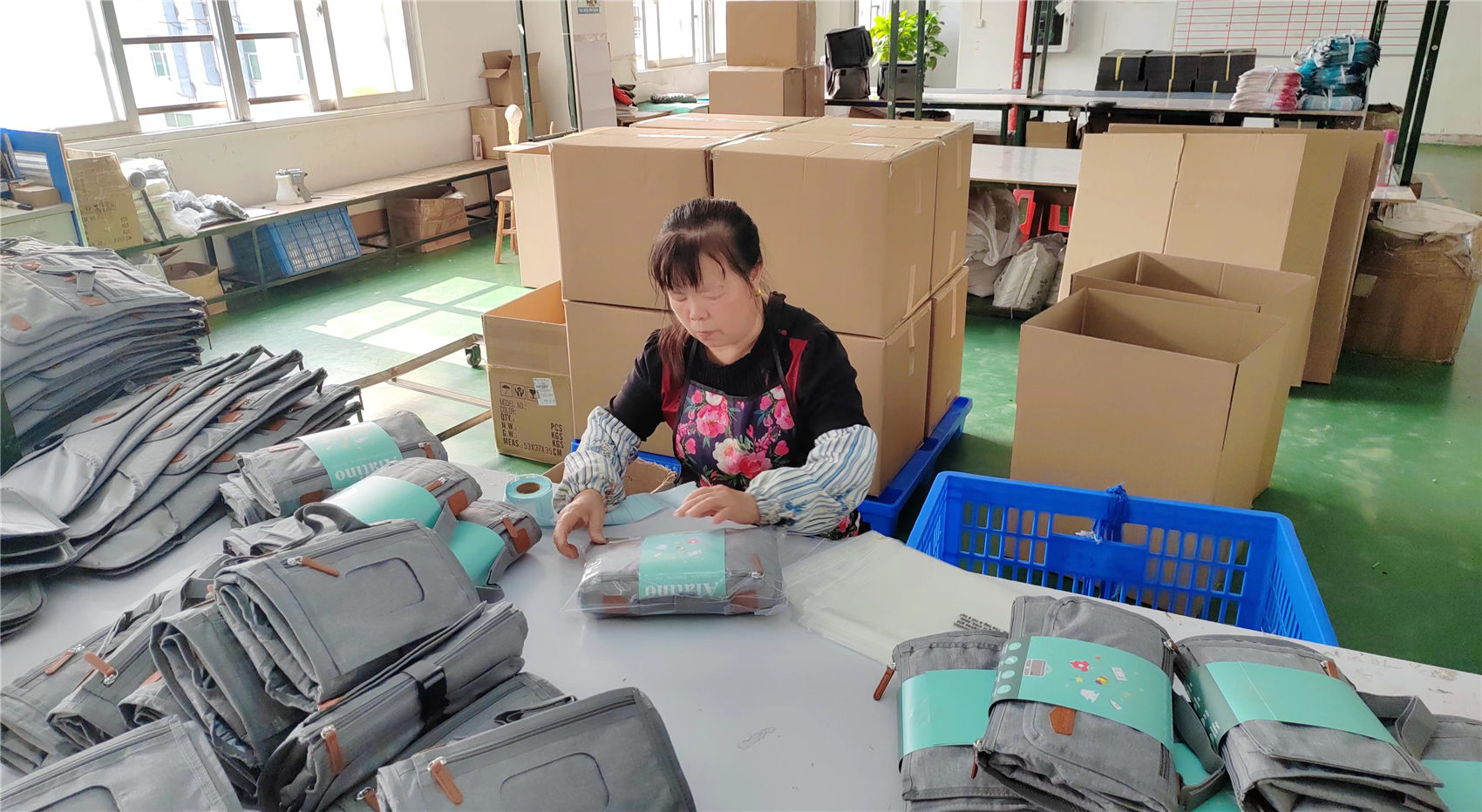
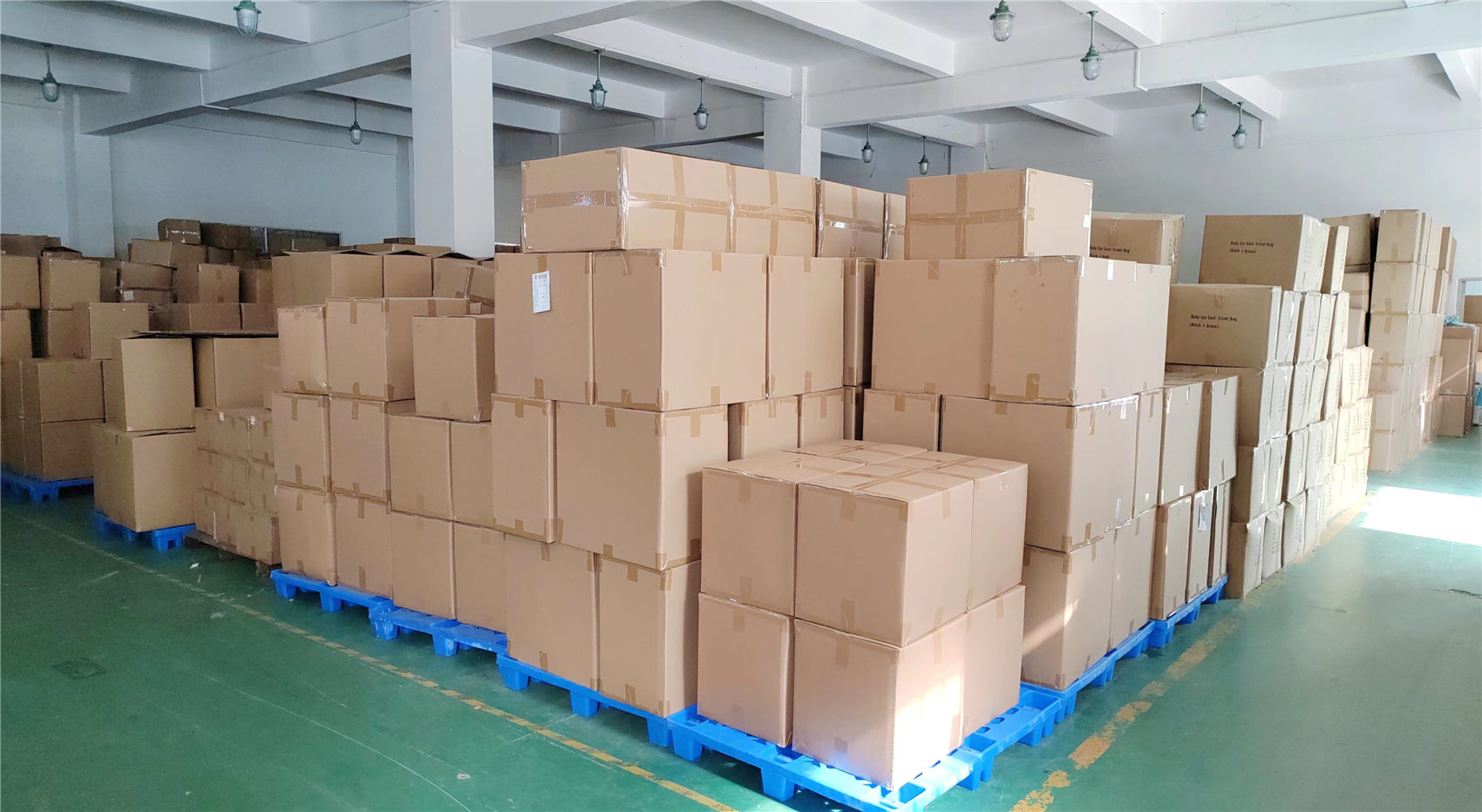
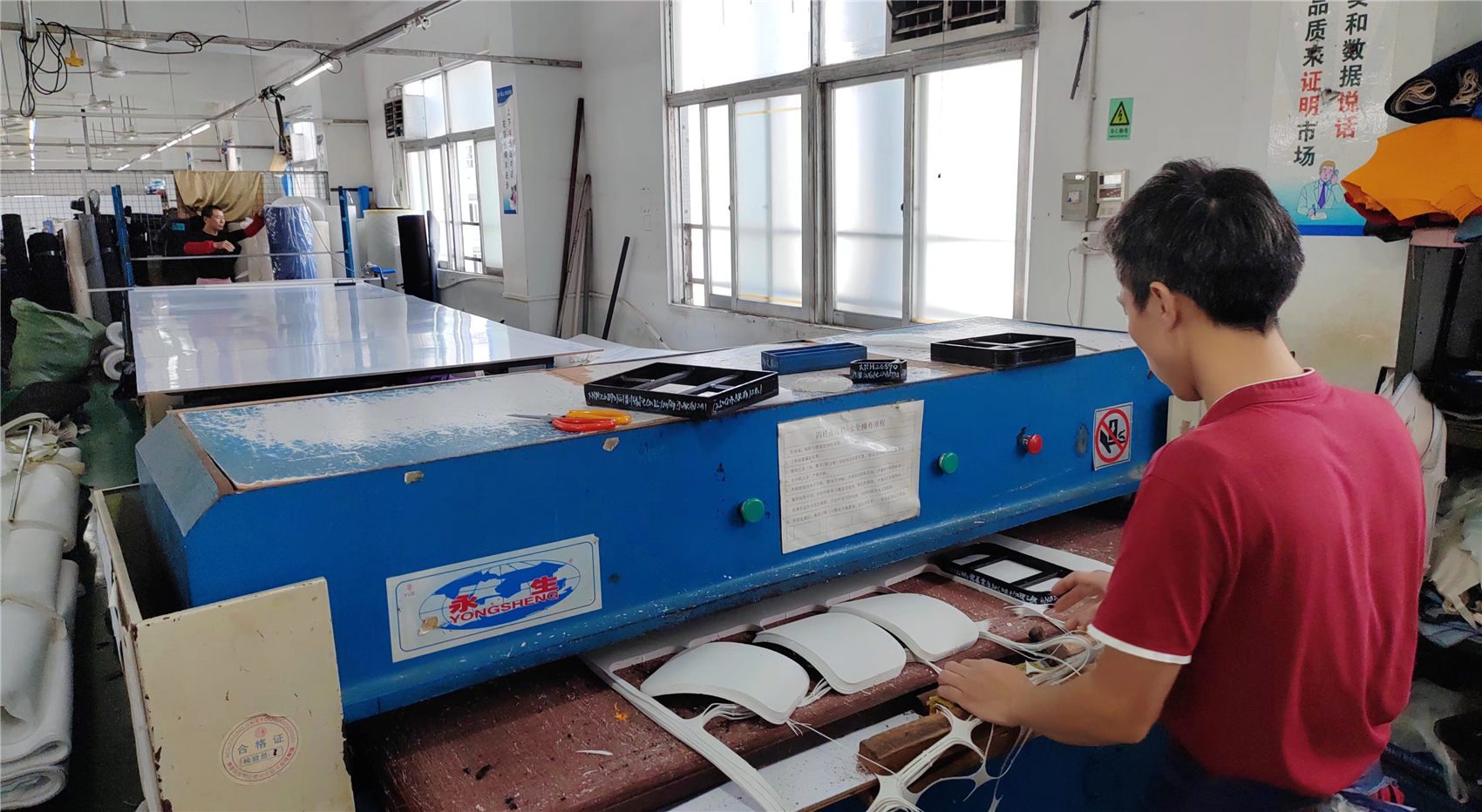
How the Baigou industrial cluster provides cost efficiencies, rapid raw material access, and manufacturing speed.
In B2B bag manufacturing, proximity to material suppliers determines production speed and cost efficiency. Operating from Baigou Town, Hebei Province, gives our factory immediate access to a comprehensive supply chain. Upstream textile mills, hardware plating facilities, dye houses, and zipper manufacturers are concentrated in a 10-kilometer radius, helping us keep raw material sourcing transit times and costs to a minimum.
This geographic concentration reduces production lead times. If a client requests a sudden change in material colors, hardware specifications, or custom inner linings, the sourcing cycle takes hours instead of weeks. Additionally, local logistics centers connect Baigou directly to key shipping ports like Tianjin and Qingdao. This infrastructure helps us guarantee stable, cost-effective shipping lanes for global buyers.
Our proximity to local technical institutes and design centers allows us to integrate new hardware innovations—like magnetic quick-release buckles and composite reinforcement panels—ahead of independent competitors.
The concentration of local production capacity allows our factory to scale operations quickly. We can handle orders ranging from small boutique test batches of 30 pieces to large container shipments of 100,000 units without sacrificing quality.
Buying materials directly from the industrial cluster eliminates intermediate trading markups. These savings are passed directly to our OEM/ODM clients, helping them maintain competitive market pricing.
Meeting international environmental, social responsibility, and quality certifications for global retail compliance.
Global retailers must meet strict safety, environmental, and ethical labor standards before bringing products to market. Entering markets like North America, the European Union, and East Asia requires verified factory compliance. At Hebei Ripped Fashion, we align our operations with global compliance guidelines to ensure our clients' supply chains remain secure and transparent.
All raw textiles, vegan leathers, zippers, and metal buckles undergo chemical testing. We guarantee that all fabrics are free from azo dyes, heavy metals, phthalates, and skin-sensitizing substances, meeting REACH and Proposition 65 requirements.
To support eco-conscious brands, we source certified RPET (recycled polyethylene terephthalate) fabrics made from ocean-bound plastics and post-consumer beverage bottles. We provide full transaction certificates (TC) to verify material authenticity.
Our production facilities follow ethical labor standards and safety guidelines. We maintain structured workspace safety, fair compensation plans, and clear quality tracking via our ISO 9001:2015 certified management workflow.
Explore the design trends shaping the future of multi-way convertible bags.
The global luggage industry is evolving as consumers seek products that balance professional and active lifestyles. Sourcing managers must stay ahead of design trends to keep their product lines relevant. We track three primary design trends to help our clients design competitive products:
Modern users prefer clean designs without excess external straps. Future convertible bags will feature hidden compartments and flat magnetic docks that allow straps to tuck away cleanly when not in use.
While heavy canvas and thick leather remain popular for heritage styling, tech brands prefer high-strength, lightweight fabrics. Materials like ripstop nylon, TPU laminates, and ultra-high-molecular-weight polyethylene offer high durability at a lower weight.
As synthetic PU and PVC fall out of favor with eco-conscious consumers, brands are turning to plant-based alternatives. We develop and source materials made from apple skins, pineapple fibers, and cactus pulp to support sustainable collections.
Designed to transition seamlessly across environments, roles, and functional needs.
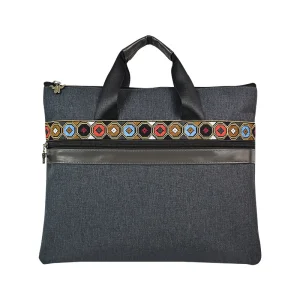
Tuck the backpack harness into the back panel to convert the bag into a clean, professional landscape briefcase. Ideal for client meetings, presentations, and corporate travel.
Deploy the dual-shoulder harness and secure the chest clip to convert the bag into an ergonomic backpack. Keeps the load stable and comfortable during daily commutes and bike rides.
Expand the main compartment and attach the padded shoulder strap to use the bag as a spacious travel duffel. Designed to fit easily in overhead bins and under airline seats.
Clear, direct answers to common questions about customization, production capacities, shipping, and order terms.
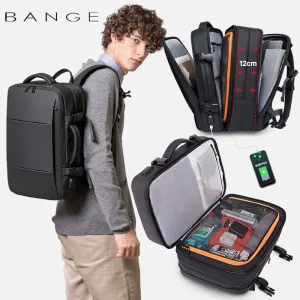
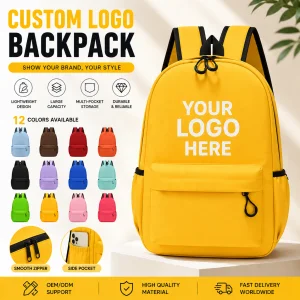
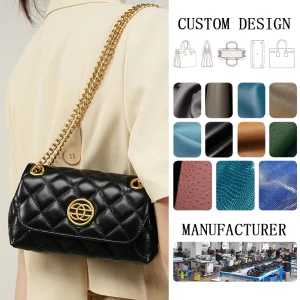
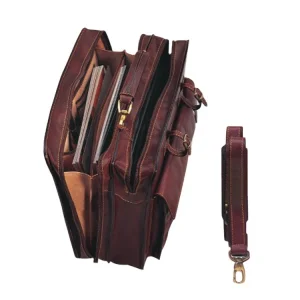
Additional multi-use bags, school backpacks, and business utility cases from our production facilities.
 Ripped Fashion