Browse our latest design innovations combining extreme durability with custom manufacturing specifications

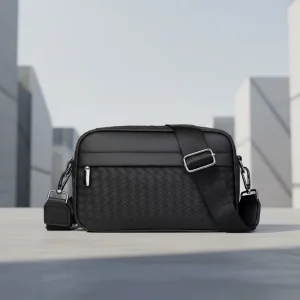
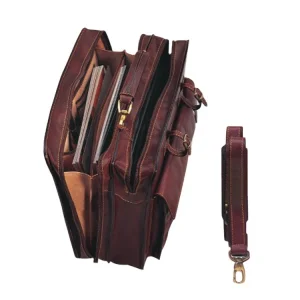
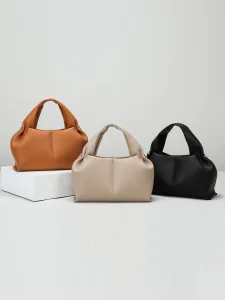
Developing high-performance, resilient camera bags and equipment enclosures for next-generation optoelectronics.
In the rapidly advancing landscape of digital imaging, high-performance optics, and uncrewed aerial systems (drones), the hardware safeguarding these multi-million dollar assets has transitioned from passive carrying options to highly engineered protective environments. Modern camera housings, lens compartments, and drone storage compartments must operate reliably under challenging conditions. As a premier custom OEM camera case manufacturer, we analyze the micro-engineering behind shock absorption, thermal control, and ecological sustainability in tactical, commercial, and retail camera case production.
Historically, camera bags relied purely on density padding, such as simple low-density polyurethane open-cell foams wrapped in heavy canvas. In today's market, global procurement officers specify MIL-STD-810G compliance, IP67/68 dust and water ingress protection, ESD (Electrostatic Discharge) shielding, and ISO-certified non-hazardous materials. By utilizing composite shell technology, dual-density close-cell EVA (ethylene-vinyl acetate) structural components, and hydrophobic membranes, custom camera case manufacturing has reached levels of performance comparable to aerospace logistics engineering.
This document details our technical approach to product layout, raw material acquisition, physical product assembly, quality oversight, and supply chain logistics for B2B distributors, camera brands, and commercial buyers worldwide. From custom tooling and physical prototyping to high-speed CNC fabric cutting and heat-sealing, we present a comprehensive guide to modern camera case manufacturing.
Dual-density EVA foam structures and customized thermoformed outer shells provide deceleration during high-G drops, preventing internal optical misalignment.
Utilizing IP65-IP68 rated TPU-laminated fabrics, water-resistant zippers, and sealed seams to prevent humidity, dust, and water ingress in extreme climates.
Hook-and-loop adjustable grid panels, customized thermoformed foam dividers, and laser-cut cavities designed to secure variable camera configurations.
Strategic Manufacturing Infrastructure in the Luggage Capital of China
Established in 2009, Hebei Ripped Fashion Co., Ltd. is located in Baigou Town, Baoding City, Hebei Province—globally recognized as the "luggage capital of China". Leveraging deep-rooted local supply chains, optimized raw material sourcing, and a highly skilled regional talent pool, our manufacturing facility has evolved into a key supplier of high-end consumer carrying bags, tactical protective cases, and customized corporate gear.
Over the past decade, we have consolidated our production systems to deliver comprehensive OEM (Original Equipment Manufacturer) and ODM (Original Design Manufacturer) services for global retailers, optoelectronic camera brands, industrial instrumentation importers, and distributors across Europe, North America, and the Asia-Pacific region.
Our facility runs on the core principles of structural durability, material compliance, and production efficiency. Operating from a modern facility with a total area of approximately 3,000 square meters, including a dedicated 2,000-square-meter production floor, our output is supported by over 300 experienced assembly personnel and automated fabrication technologies.
Visual insight into our integrated manufacturing workflow, verified under international inspection standards
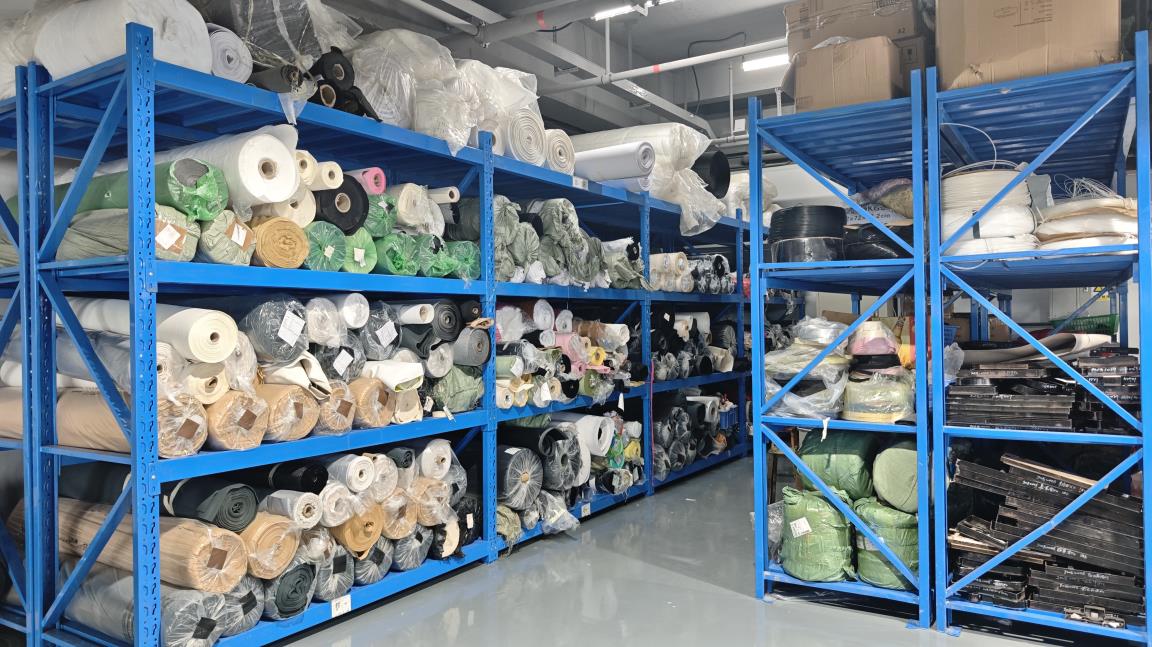
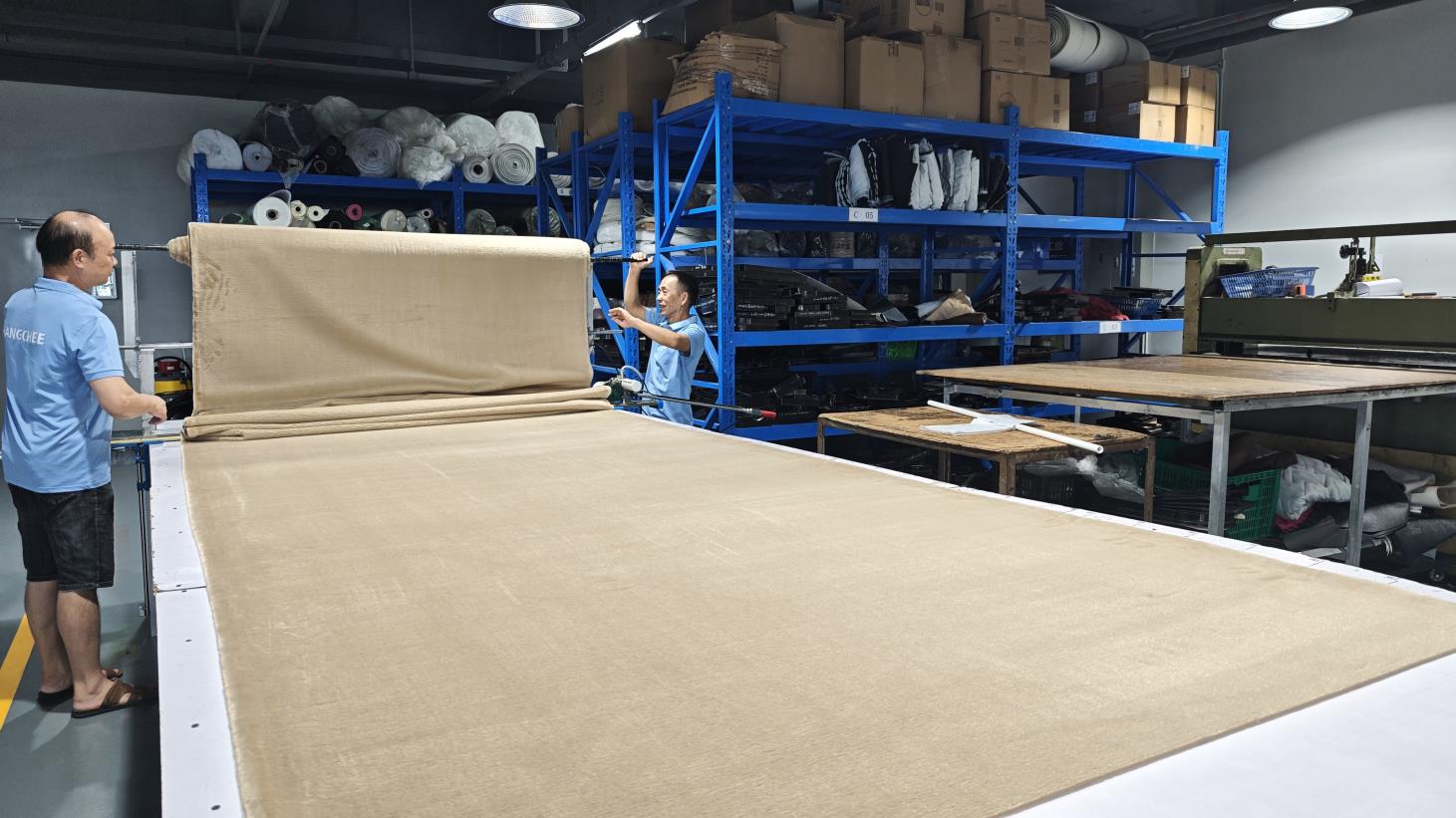
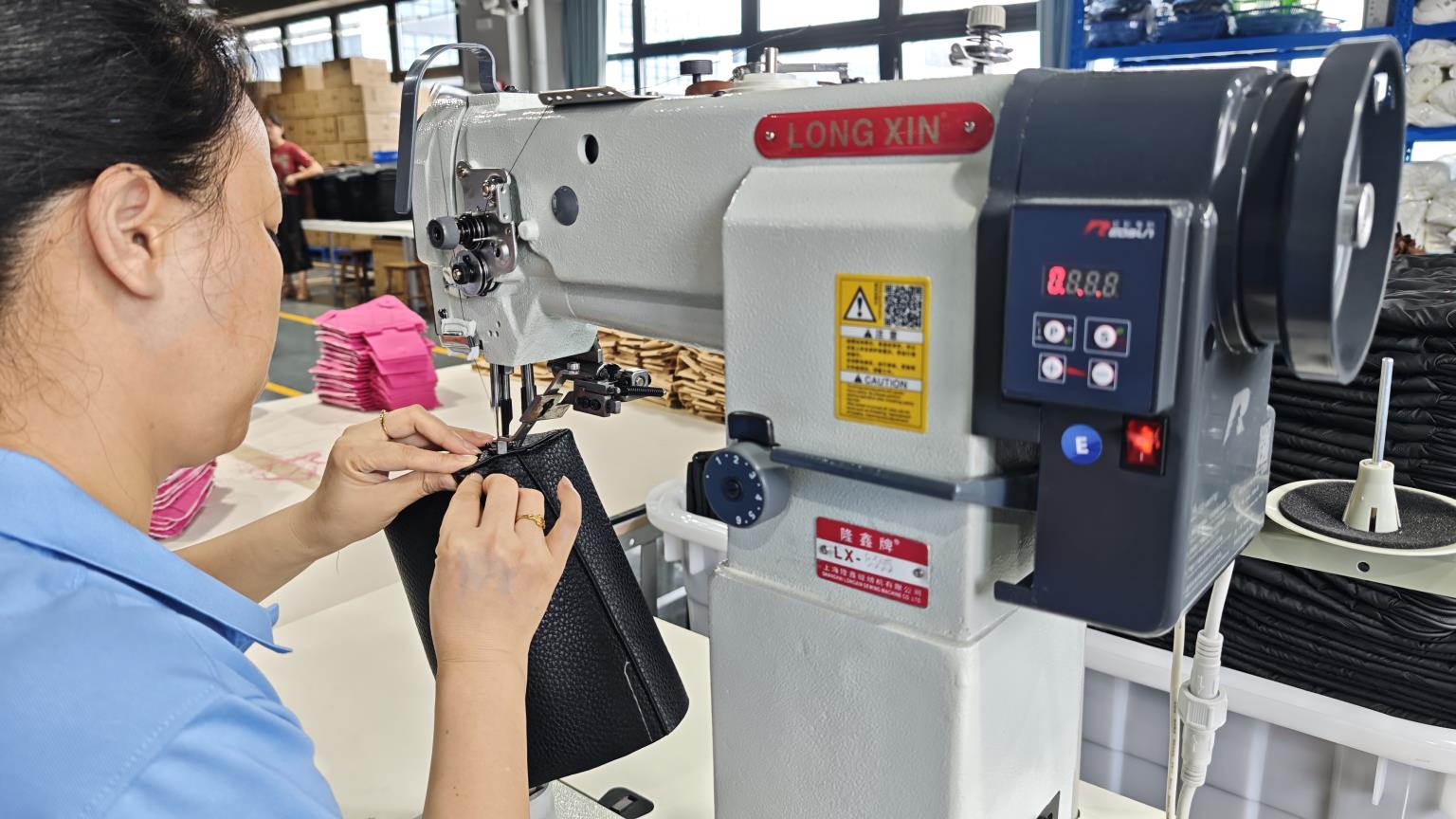
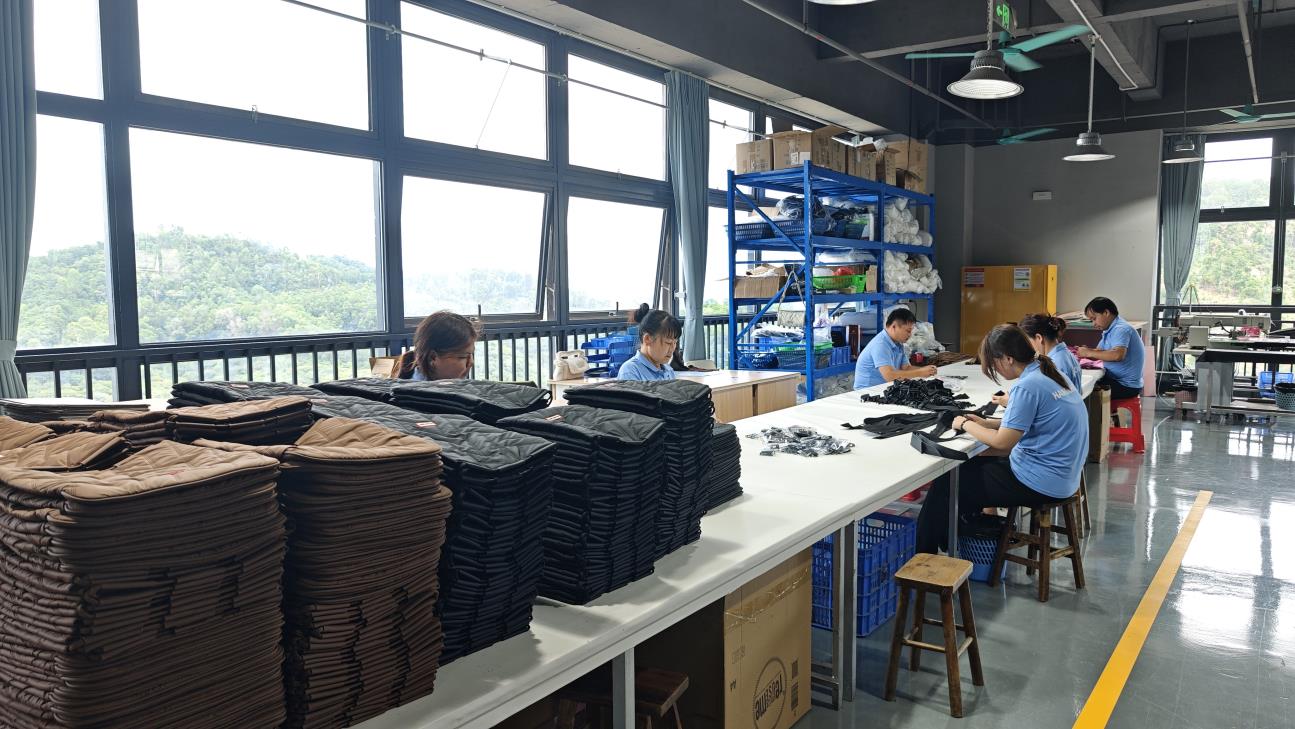
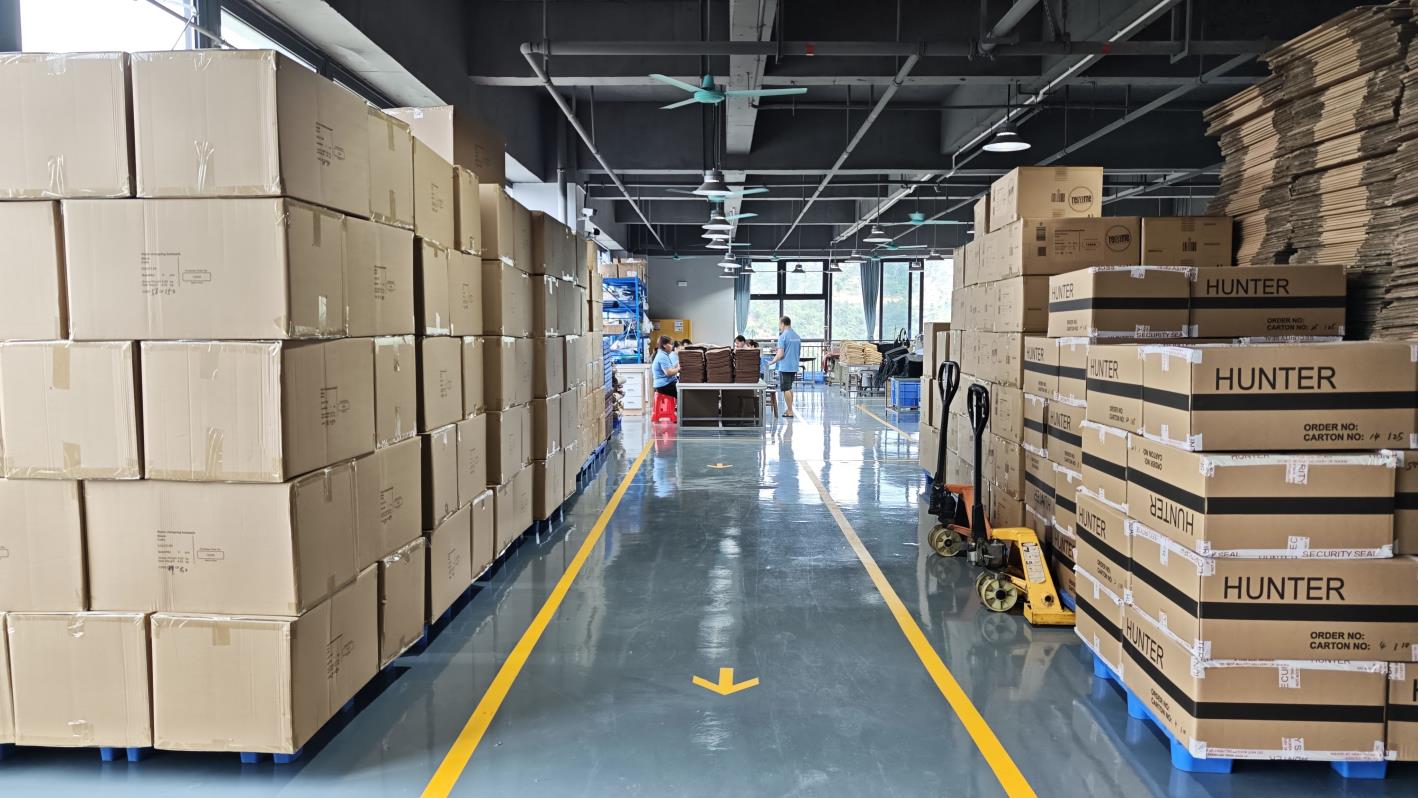
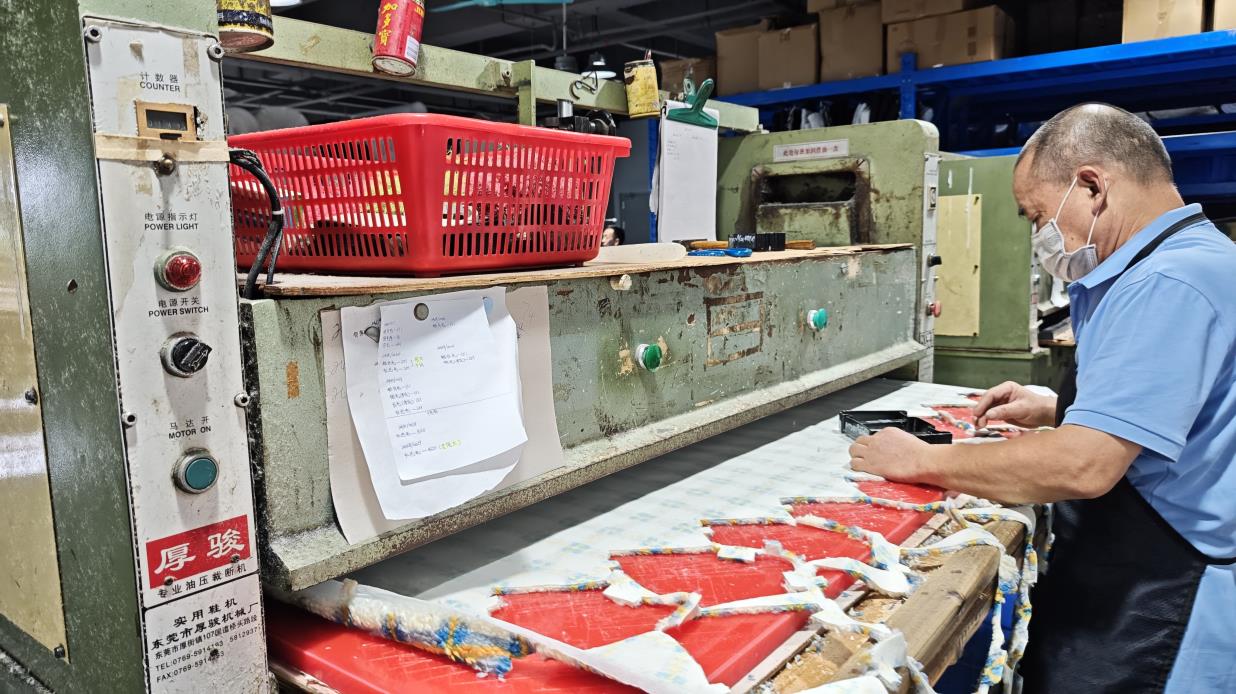
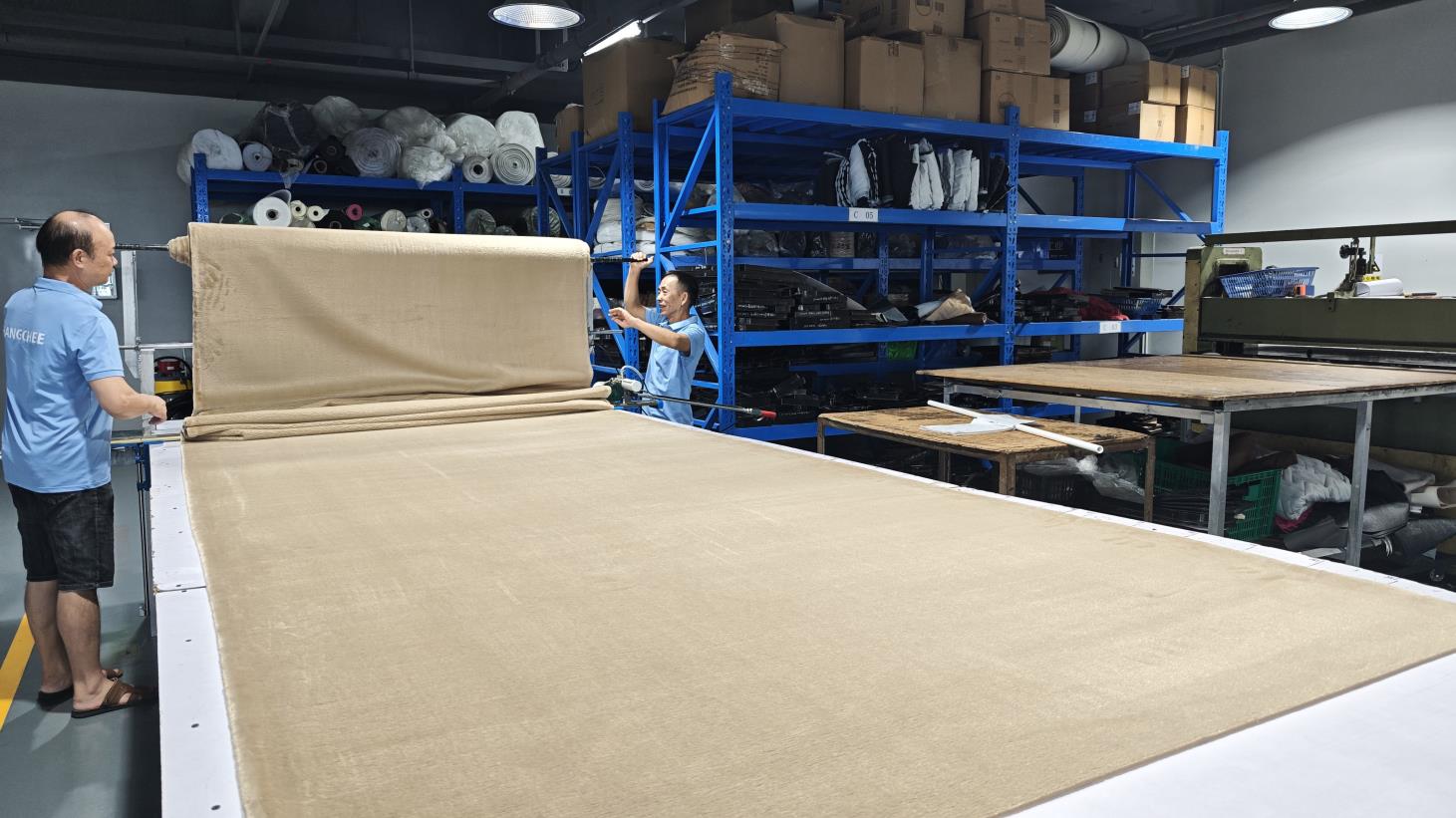
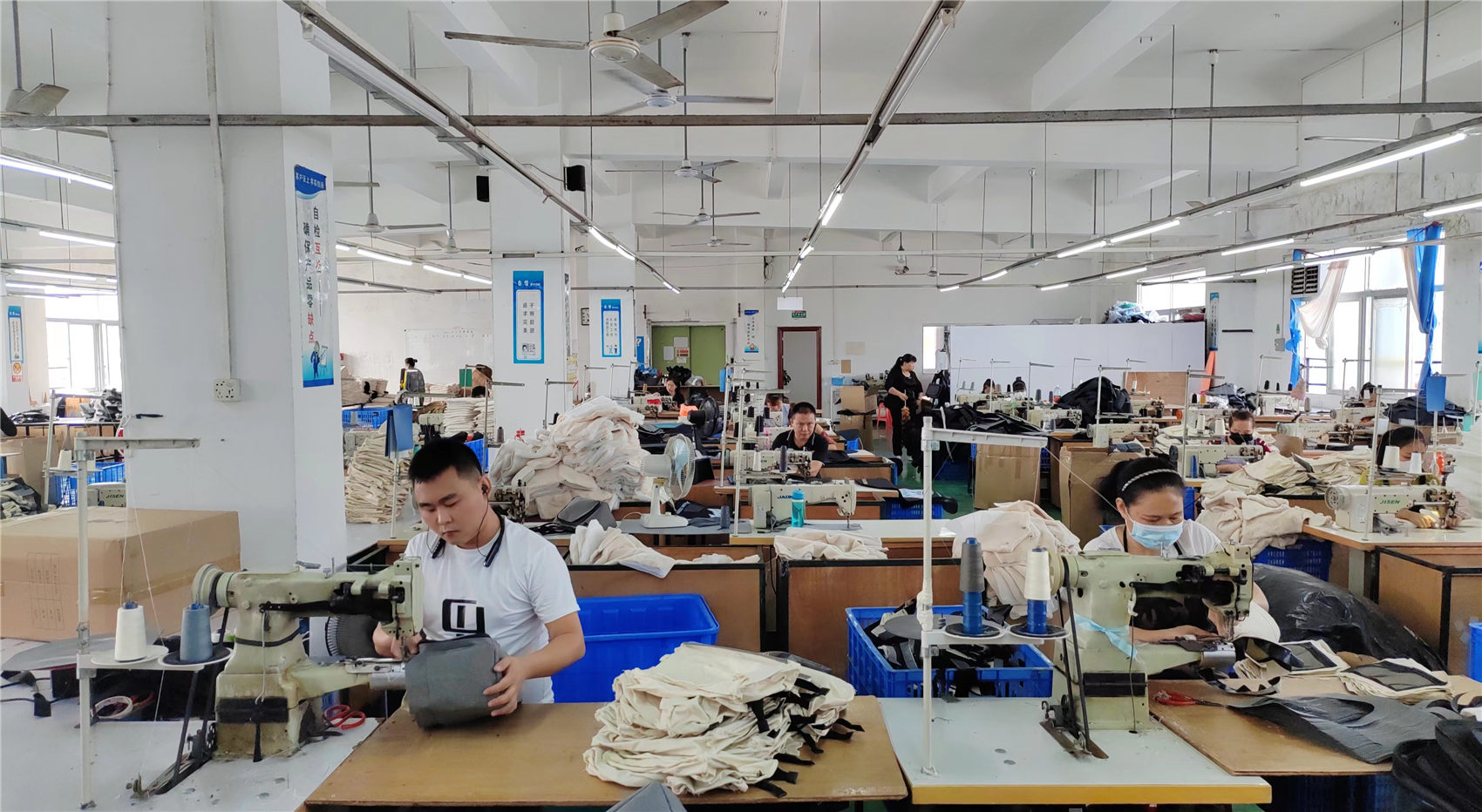
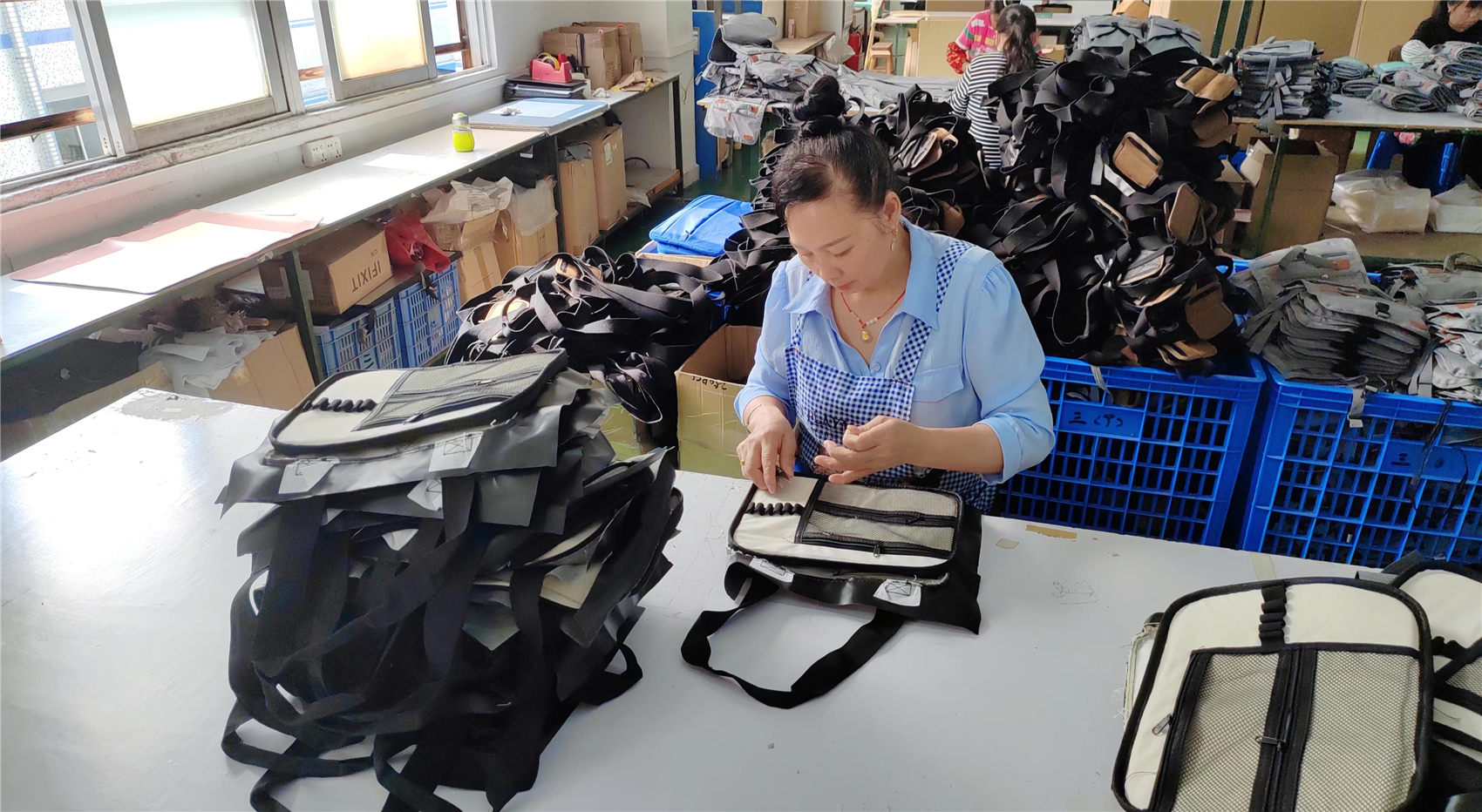
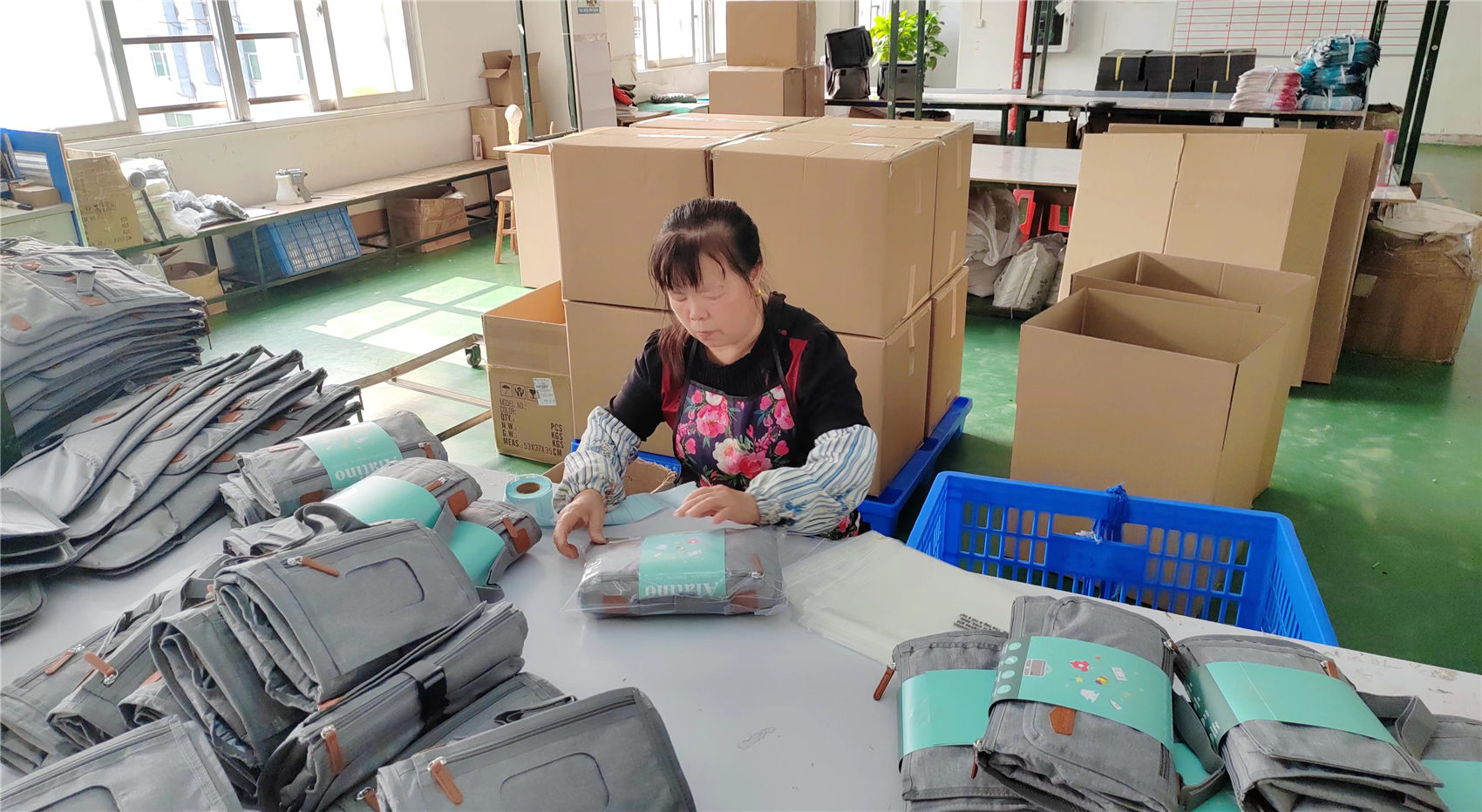
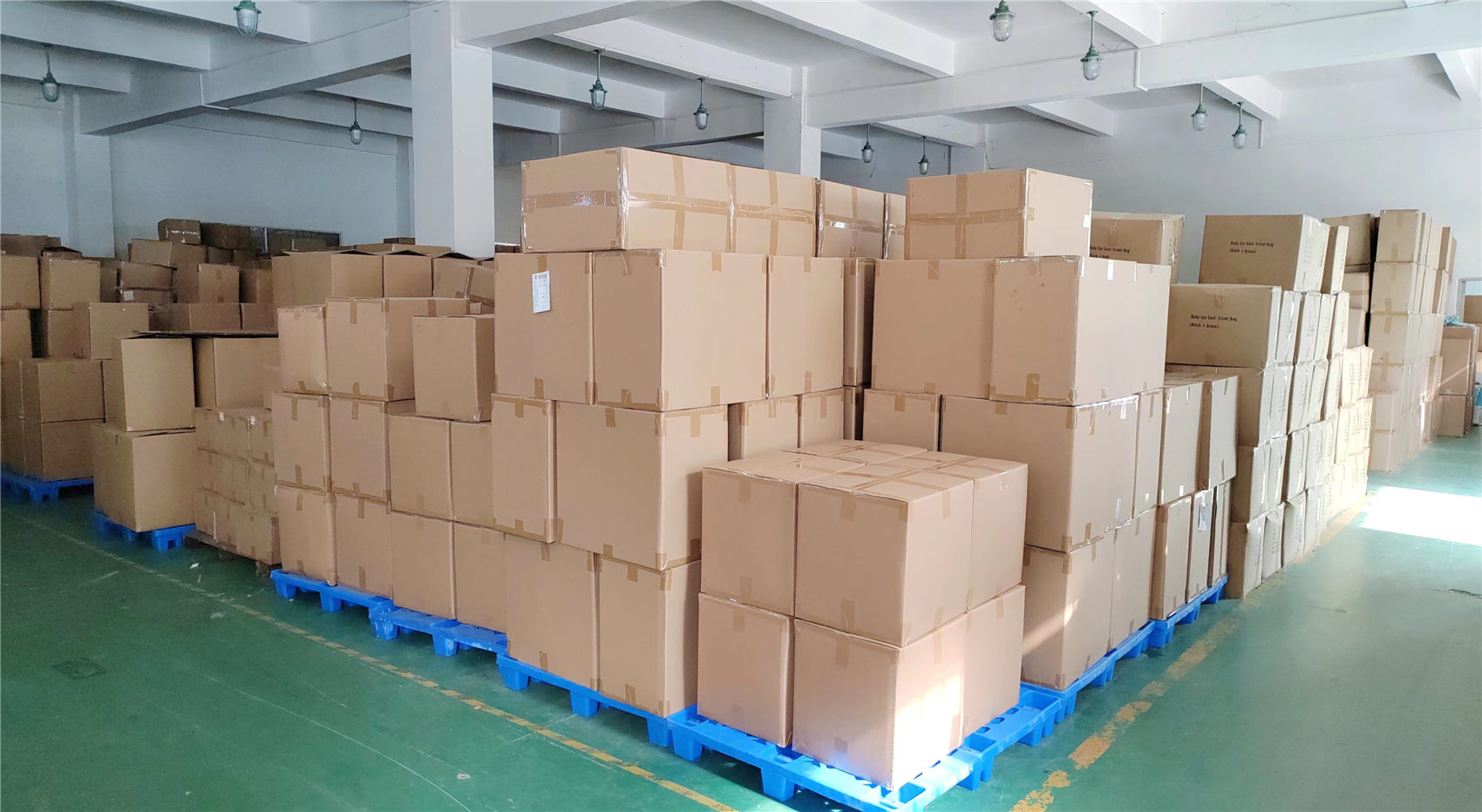
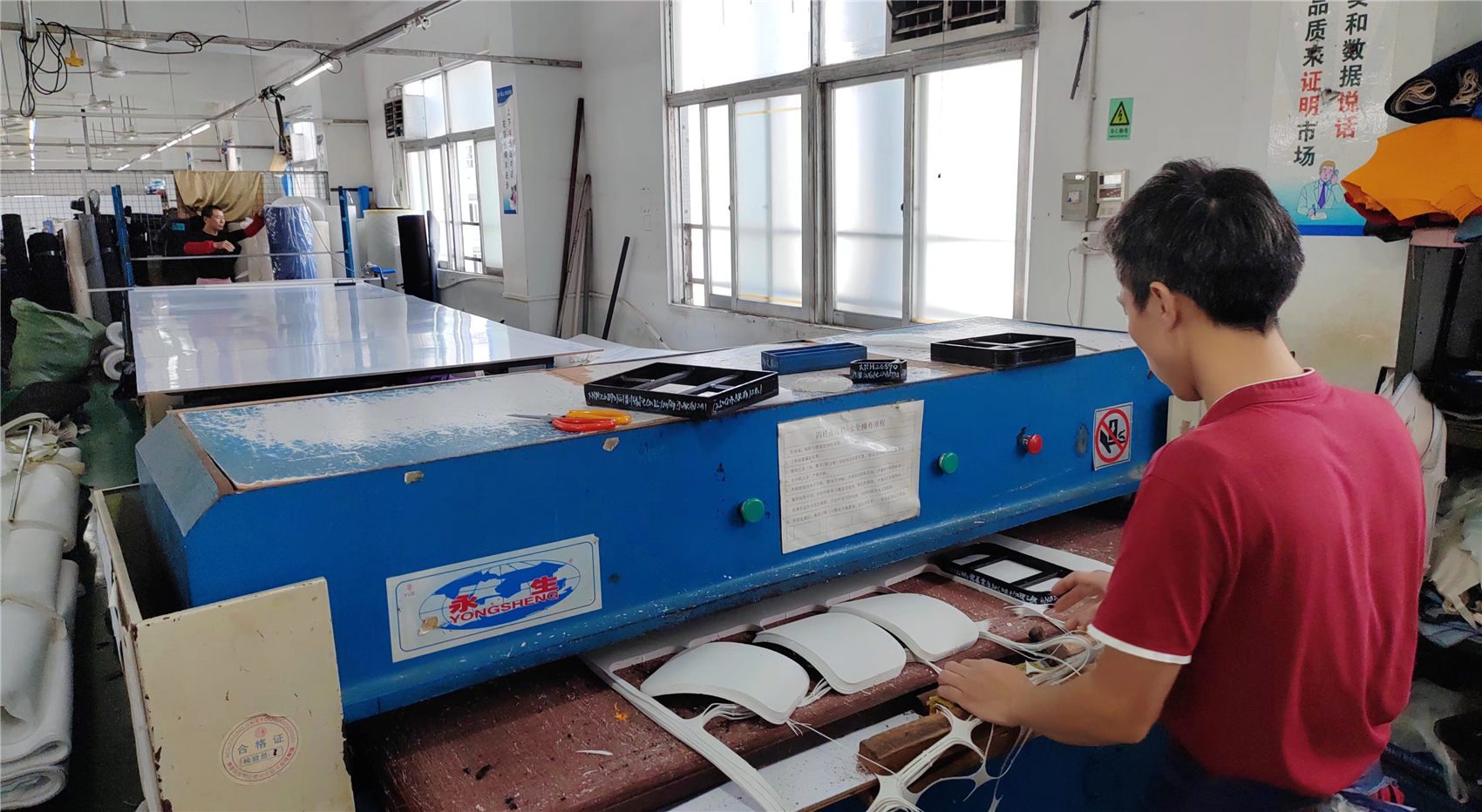
How our geographical and industrial ecosystem optimizes pricing, quality, and delivery timelines.
Choosing a manufacturing partner involves assessing structural capacity, regional raw material access, and logistical reach. Located in Hebei Province, our facility utilizes the deep industrial advantages of Baigou Town to offer competitive B2B programs globally.
1. Raw Material Sourcing: As China's primary luggage manufacturing cluster, Baigou provides direct access to high-performance synthetic textiles, including Ballistic Nylon (840D, 1680D), high-tenacity Cordura, tear-resistant ripstops, eco-friendly PU and genuine leathers, and specialized polymer fittings. This close proximity to suppliers reduces material lead times from weeks to days, allowing for faster prototyping and pre-production cycles.
2. Structural Accessories Ecosystem: Premium camera cases rely on robust closures, zippers, metal buckles, and internal dividers. Our location grants us access to premium buckle and hardware manufacturers, customized zipper developers (including water-repellent, reverse-coil, and anti-theft zip tracks), and high-density EVA foam thermoforming facilities. This integration keeps our bills of materials (BOM) cost-efficient without compromising structural durability.
3. Experienced Labor Force: Camera case manufacturing requires precise sewing tolerances and alignment to keep internal dividers balanced. Our workforce of over 300 sewing machine operators and technicians has years of experience in structural bag assembly, ensuring consistent stitch lines, reinforced stress points, and clean internal seam taping.
4. Streamlined Logistics: Located near Beijing Airport and Tianjin Port, our facility is well-positioned for international freight. This allows us to offer flexible shipping options, including FOB, CIF, DDP, and multimodal sea-air transport, to minimize transit times and reduce import customs complexities.
Engineered options tailored to meet the technical standards of diverse commercial sectors.
High-capacity, weather-resistant backpacks and rollable bags designed for heavy cine lenses, large camera bodies, and monitor setups. Featuring customizable reinforced plastic inserts and structural impact walls to protect gear during rugged outdoor shoots.
Custom-engineered EVA hardshell backpacks and injection-molded inserts designed to protect sensitive commercial drones, remote controllers, multi-channel charging hubs, and backup power banks during field deployment.
Sealed carrying options featuring anti-static (ESD-safe) fabrics and high-precision laser-cut close-cell foam configurations, designed for delicate laser components, spectroscopy sensors, and industrial inspection optics.
Premium, stylish, and durable camera messenger bags, vintage-style genuine leather cases, and lightweight everyday shoulder bags designed for mirrorless camera users seeking both aesthetic appeal and drop protection.
Meeting global compliance, safety, and testing requirements to protect your brand reputation.
In B2B importing, quality compliance is crucial. At Hebei Ripped Fashion Co., Ltd., we align our manufacturing practices with global regulatory frameworks to ensure smooth market entry and high reliability:
Evaluating the technological changes shaping the future of global B2B procurement
The protective carrying industry is adapting to changes in camera technology, user preferences, and supply chain standards. We are incorporating several key innovations into our production pipelines:
1. Recycled and Eco-Friendly Materials (RPET): Brands increasingly specify recycled polyester (RPET) derived from post-consumer plastic bottles, organic cotton canvases, and biodegradable foam structures. Incorporating these materials helps retail brands appeal to eco-conscious consumers.
2. Smart Integration: Modern camera cases are incorporating features like low-power GPS locator compartments, RFID-blocking passport sleeves, integrated USB-C pass-through charging ports, and solar panel layers on tactical backpack covers for long outdoor shoots.
3. Modular, Lightweight Structures: As mirrorless cameras become smaller than legacy DSLRs, users prefer lighter carrying options. We utilize thin but high-tensile honeycomb plastic sheets and high-density EVA backings to reduce overall bag weight while maintaining drop protection.
Frequently asked questions about our manufacturing services, OEM/ODM processes, and delivery terms
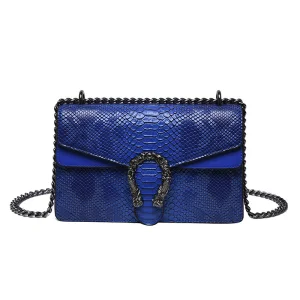
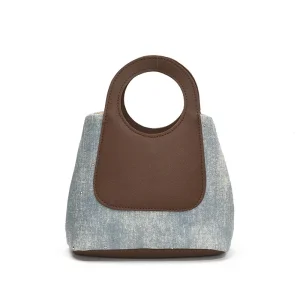
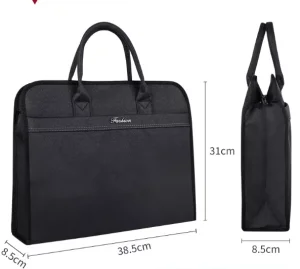
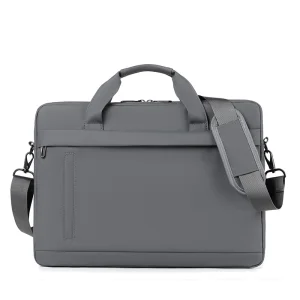
Explore more fashion, commercial, and technical carrying bag configurations from our factory


 Ripped Fashion