A comprehensive analysis of structural manufacturing benefits, industrial clustering, and competitive metrics for international enterprises.
China's luggage hubs, such as Baigou Town in Hebei Province, offer an unparalleled geographic concentration of specialized suppliers. Within a 5-mile radius, manufacturers access raw synthetic polymers, high-density Oxford fabrics, specialized zipper lines, and metal hardware. This eliminates supply chain latency and drastically reduces production overhead.
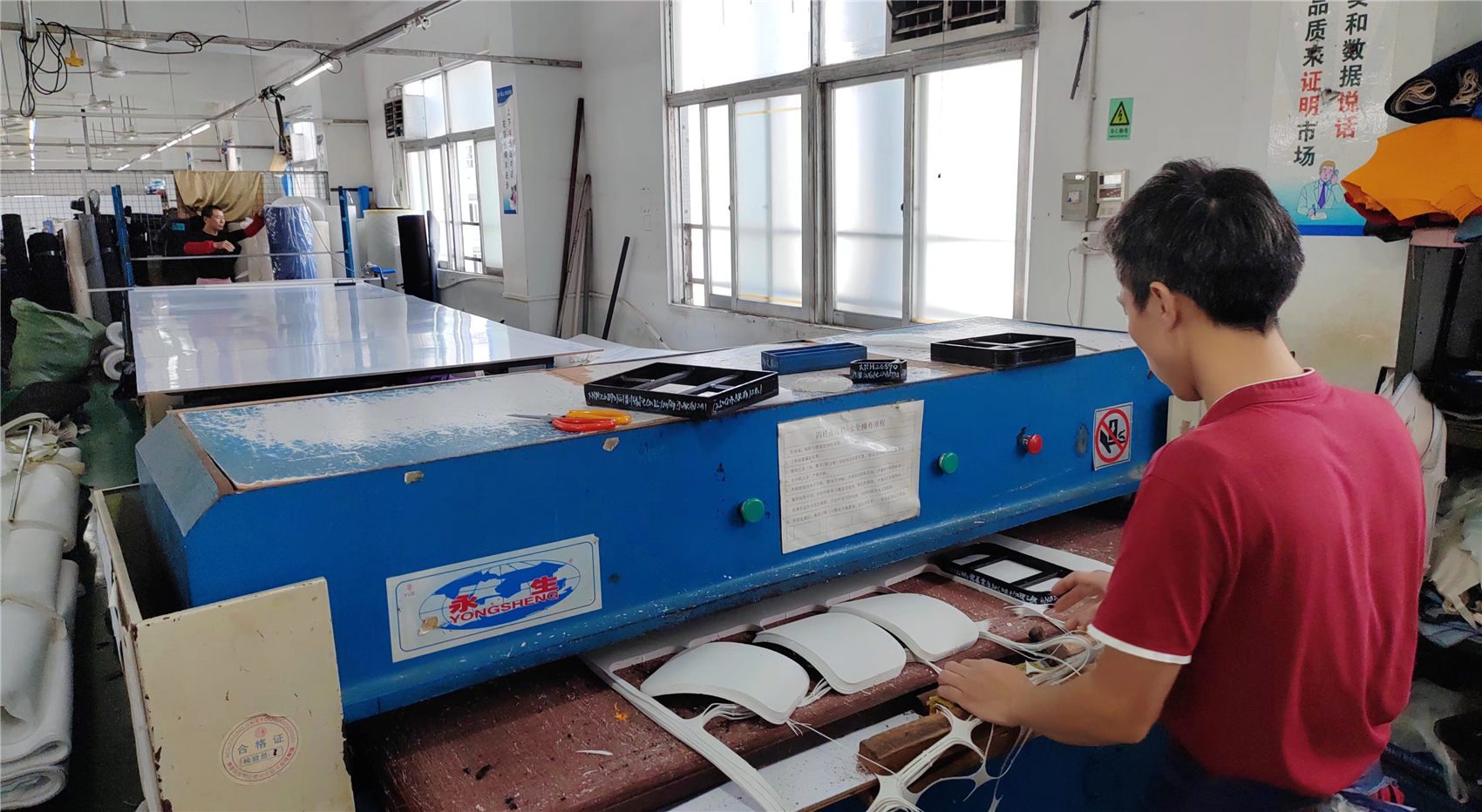
Modern Chinese factories have transitioned to digital, tech-enabled pipelines. Utilizing CAD/CAM software for nesting and cutting patterns, laser cutting machines, automated digital embroidery, and computer-guided sewing platforms guarantees precision sizing tolerances. This decreases defective rates to less than AQL 1.5 standards.
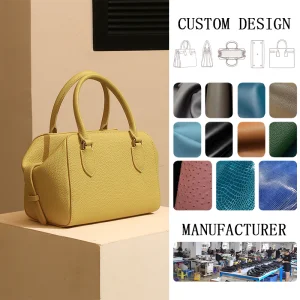
By integrating upstream raw material sourcing directly with vertically aligned manufacturing facilities, companies like Hebei Ripped Fashion Co., Ltd. offer unparalleled unit-cost optimization. Economies of scale allow bulk volume purchasers to secure industry-leading unit margins without sacrificing design complexity or component longevity.
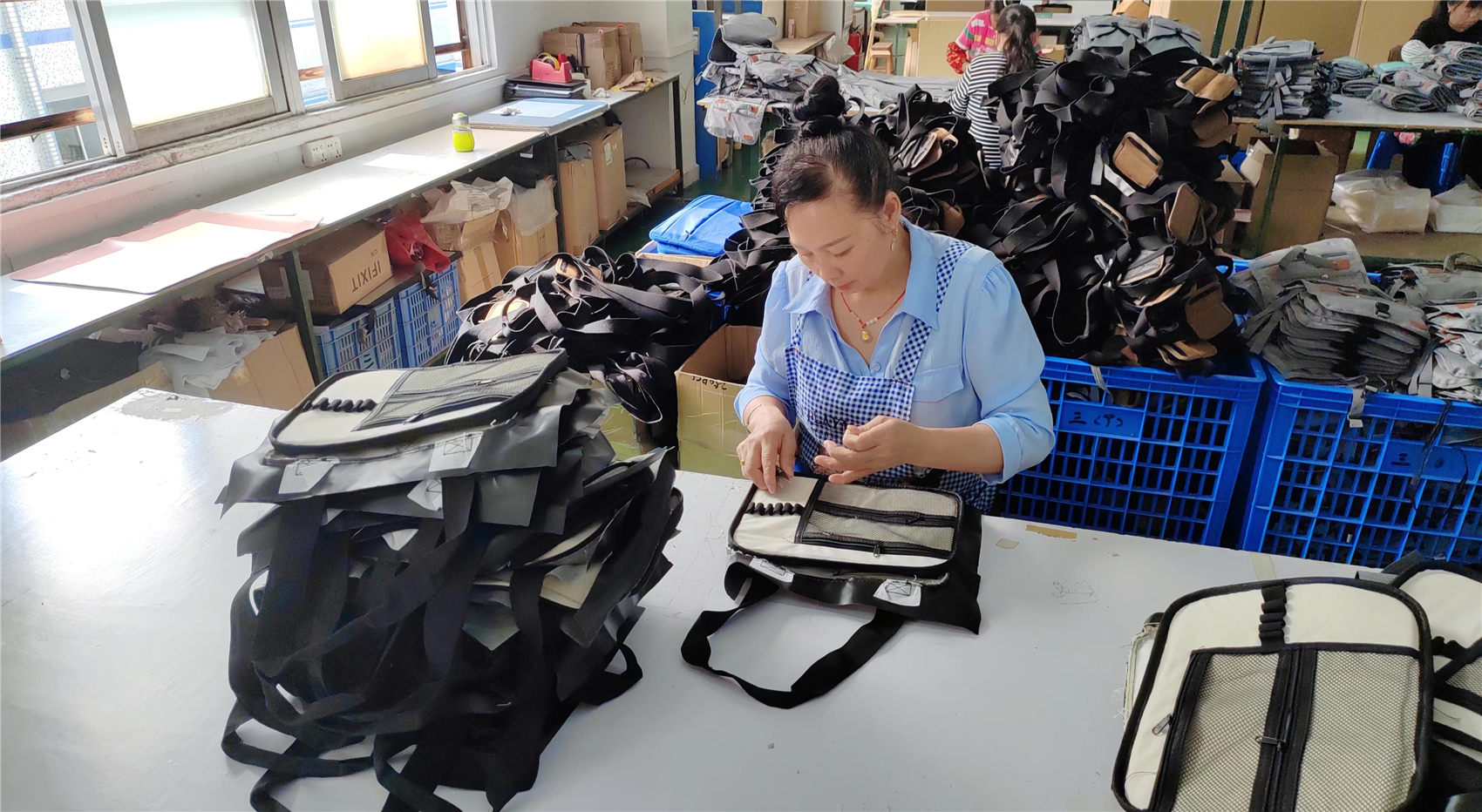
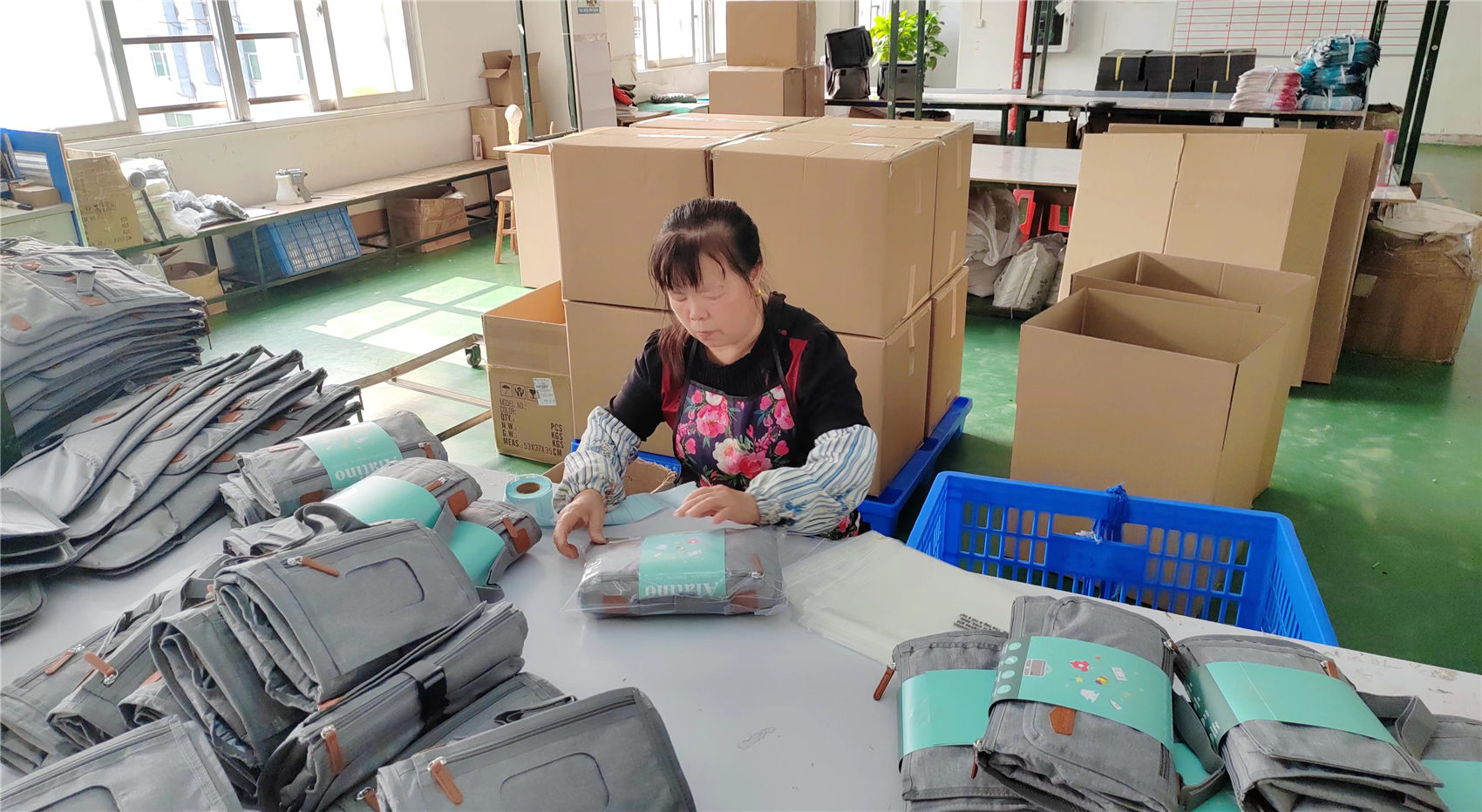
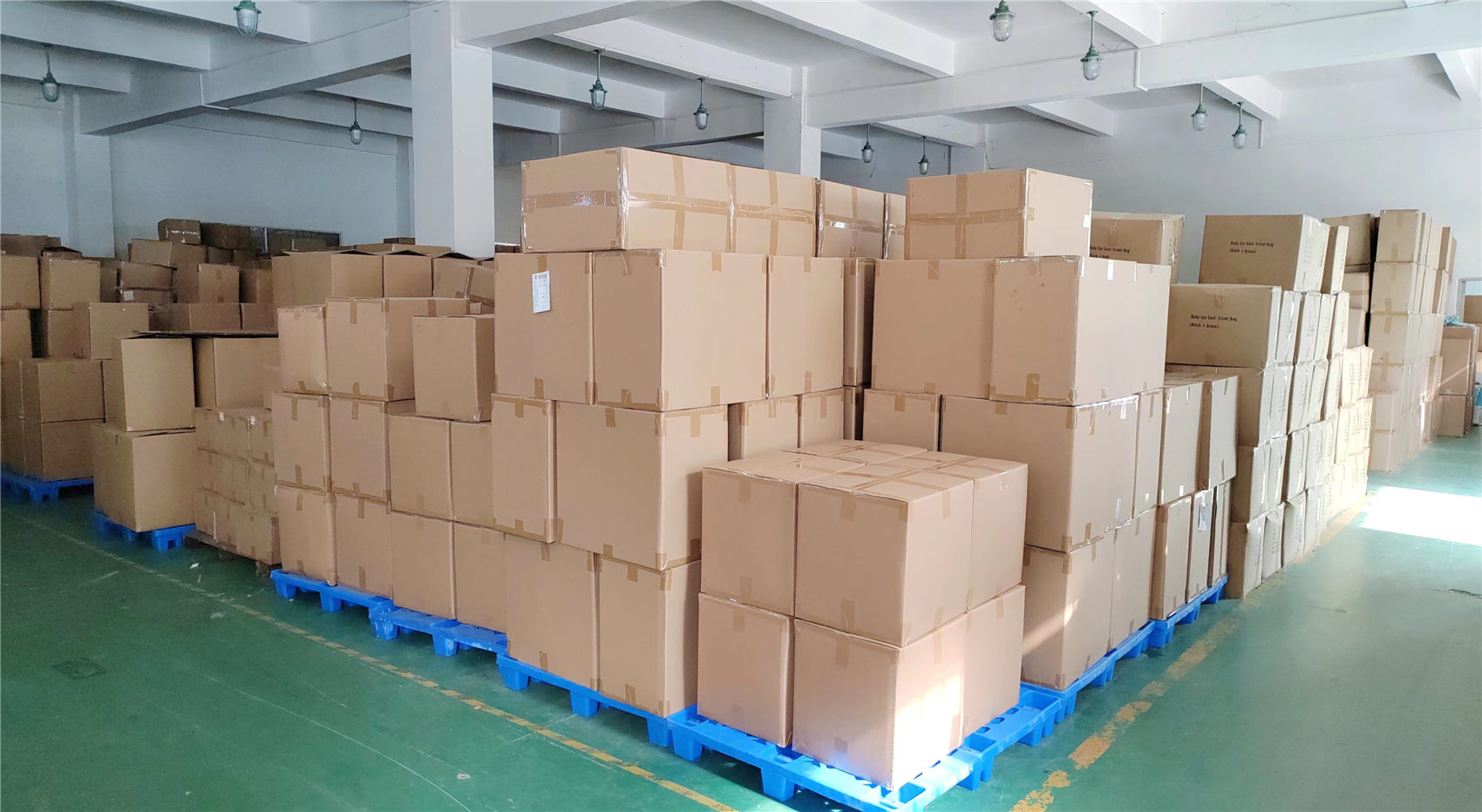
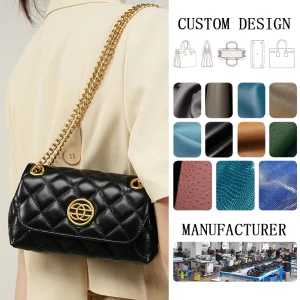
A look at our professional facility, showing how materials are processed from raw fabric into market-ready retail products.
Hebei Ripped Fashion Co., Ltd. is based in Baigou Town, Baoding City, Hebei Province—popularly referred to as the "luggage capital of China." Since 2009, we have served global distributors, modern e-commerce retailers, and enterprise brands looking for high-capacity production lines and customized designs.
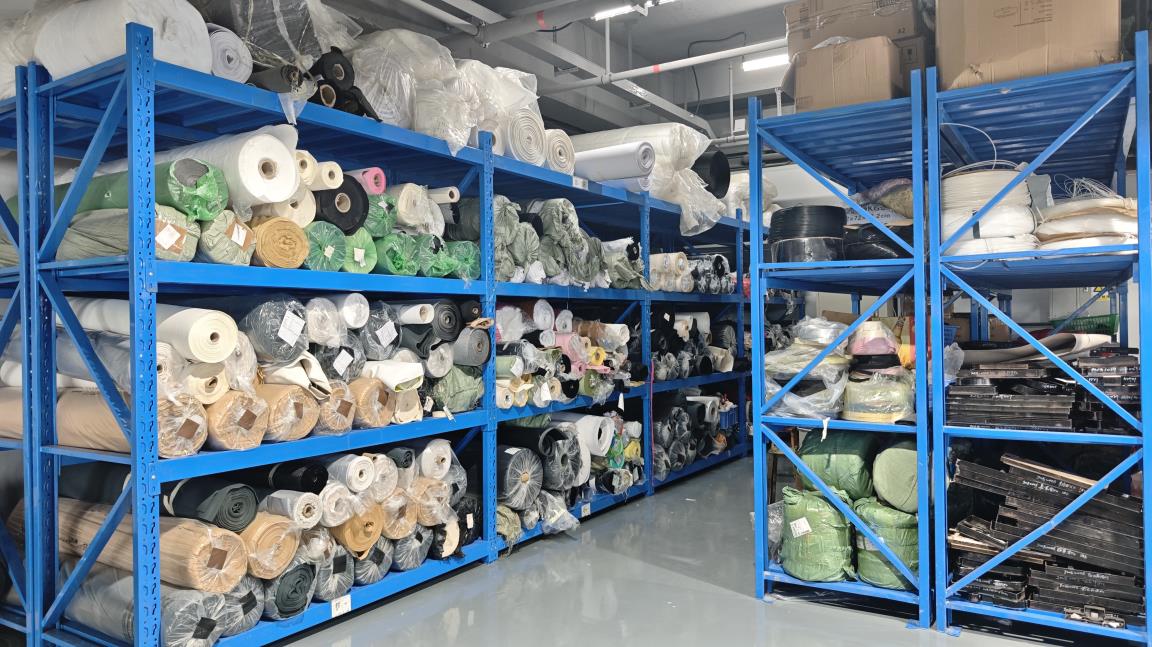
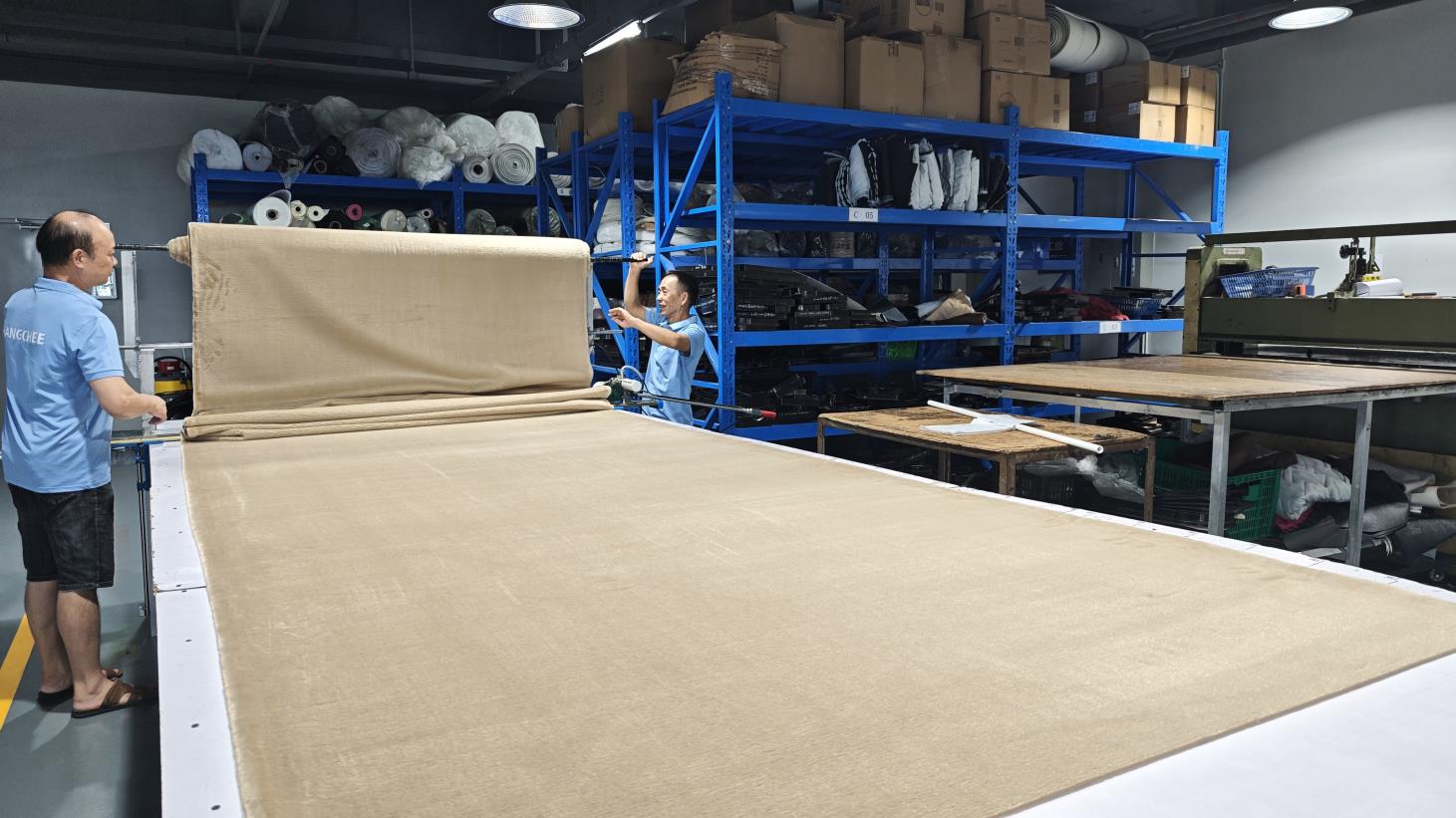
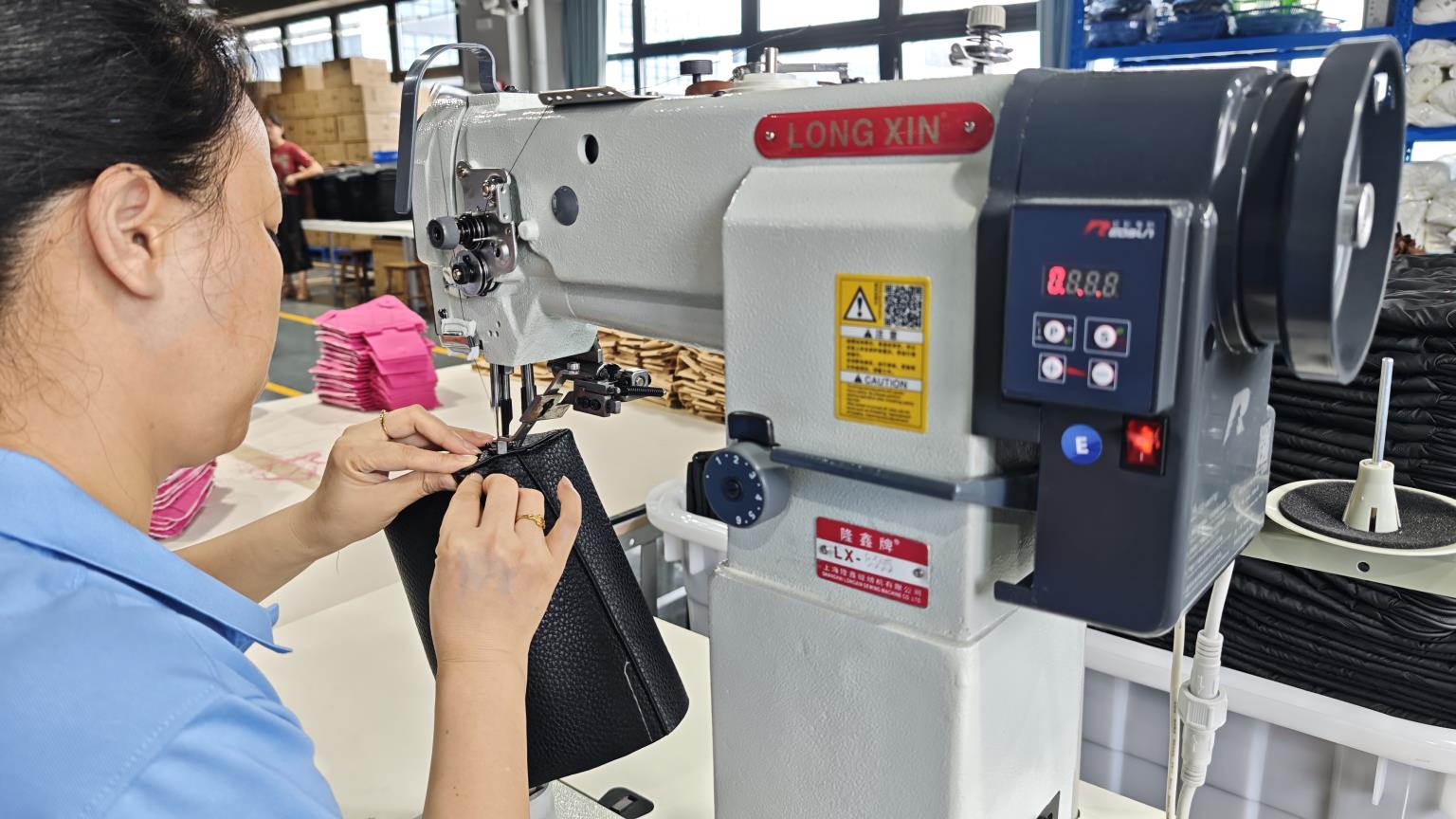
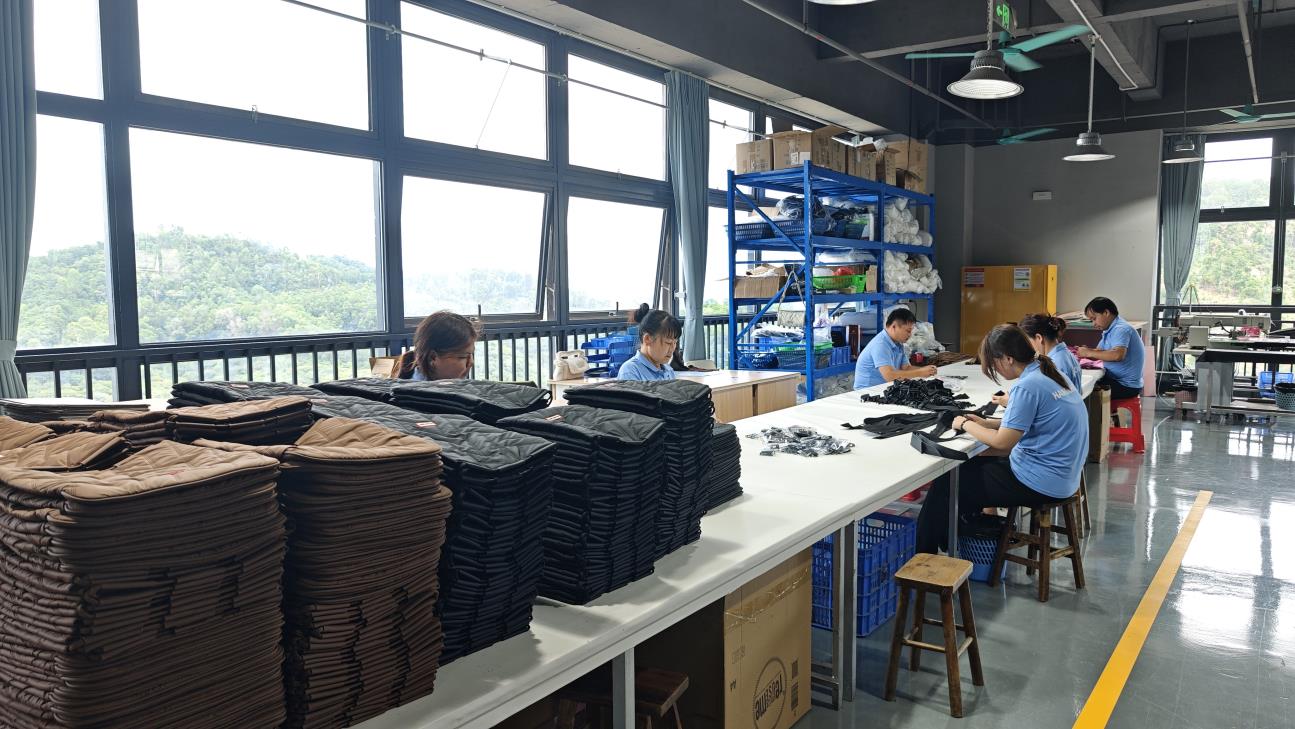
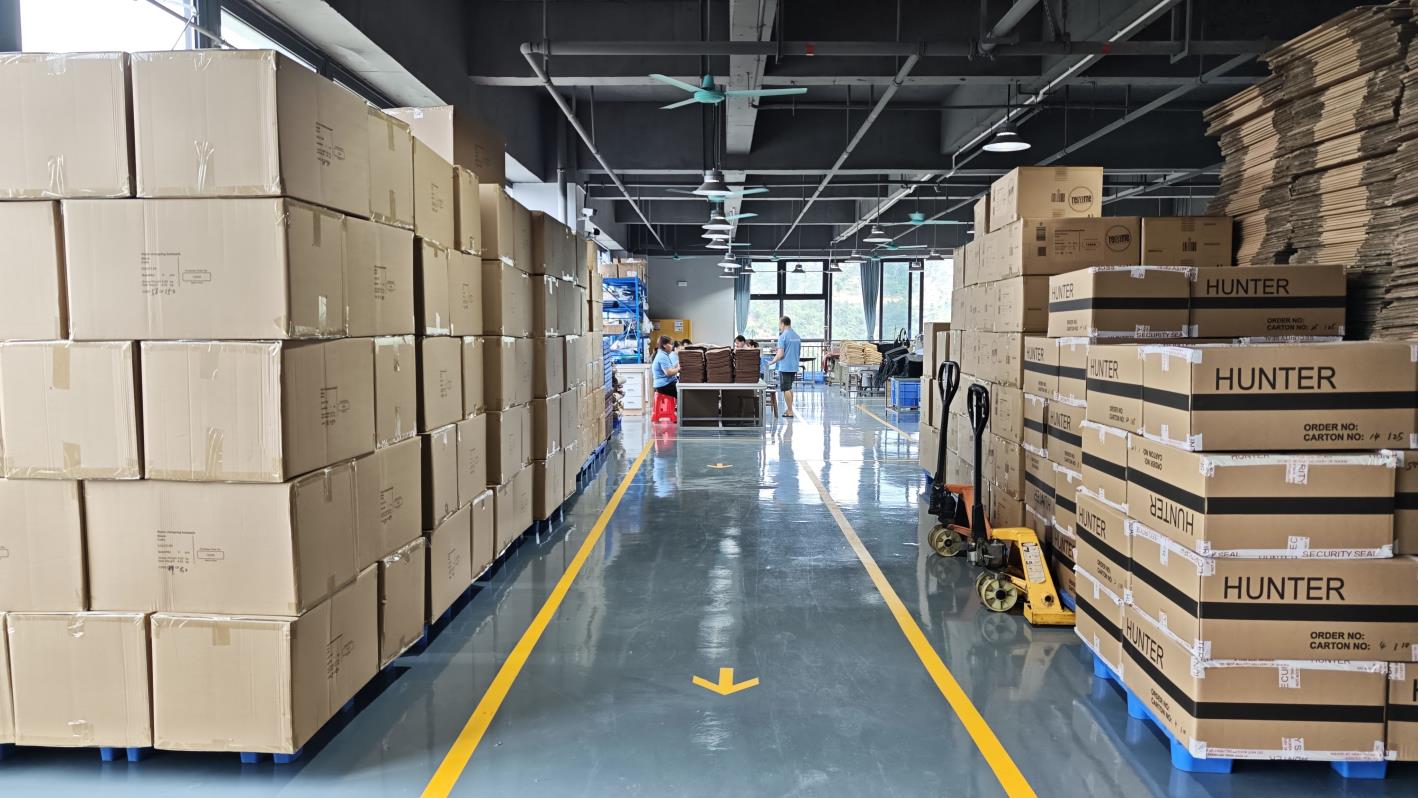
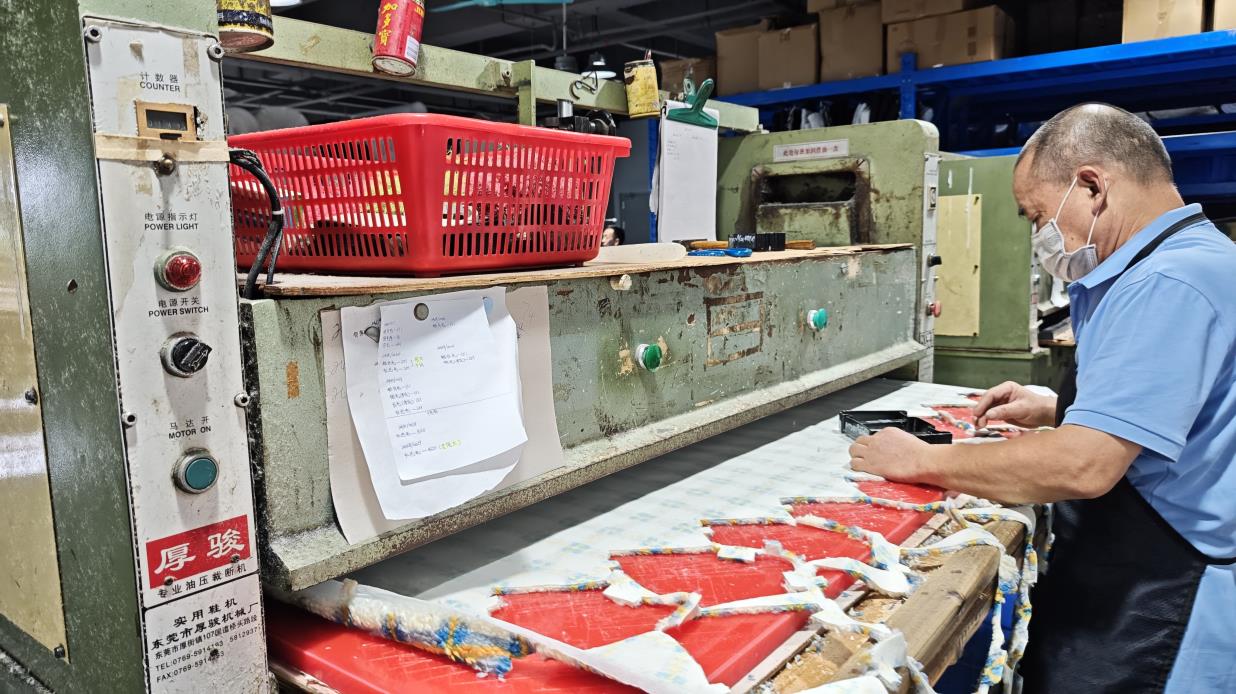
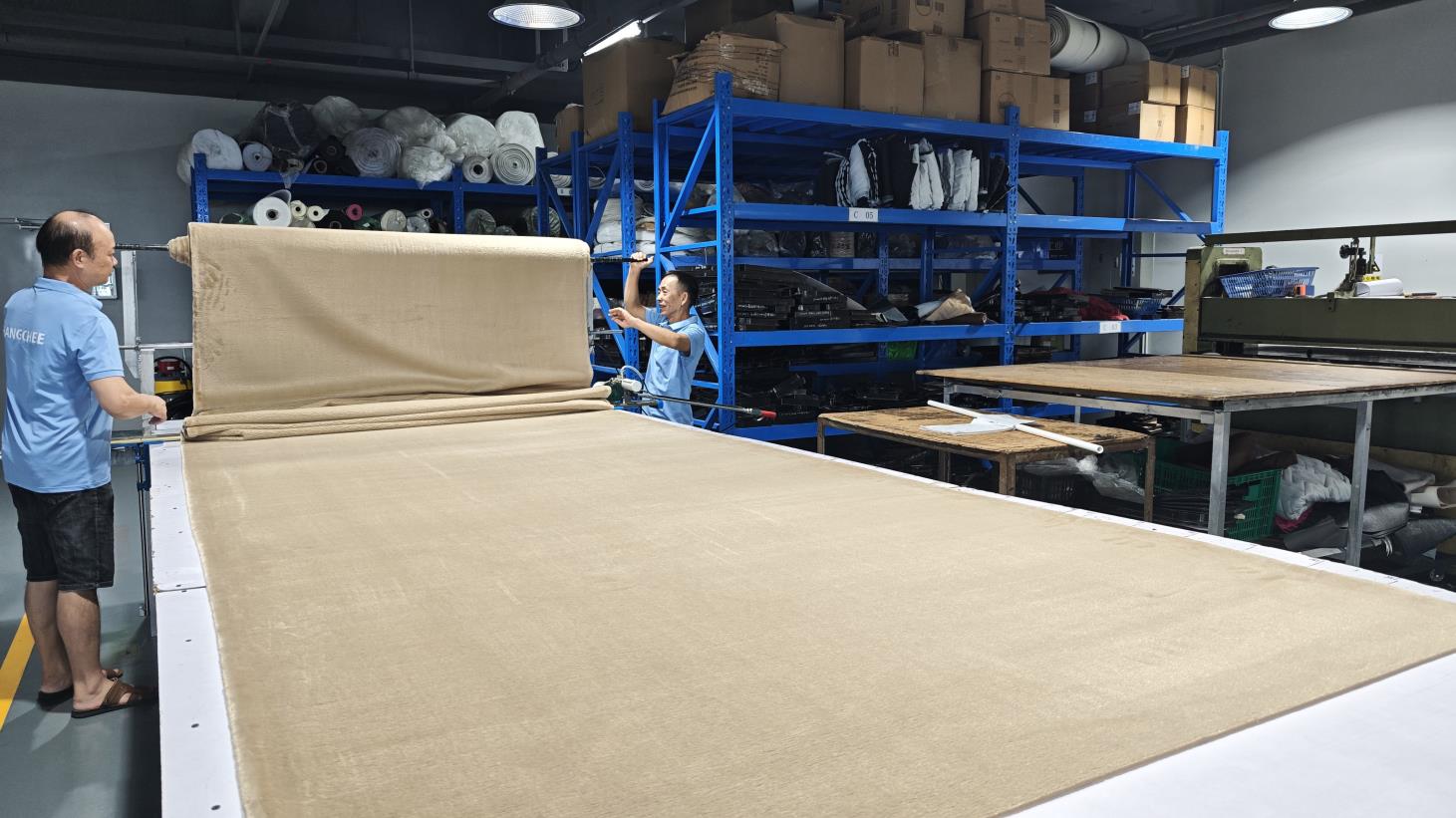
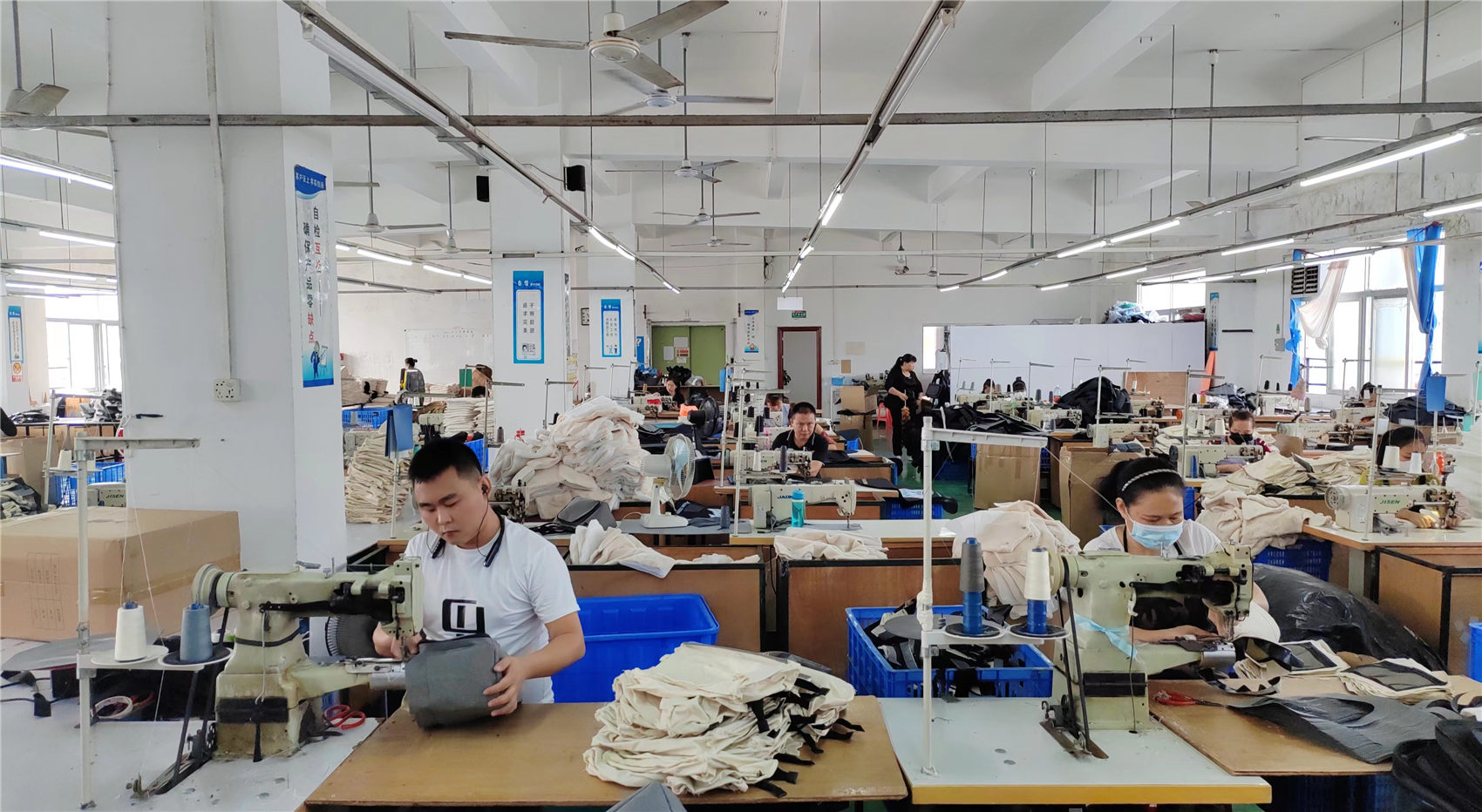
Key indicators, material shifts, and technological integrations shaping the future of global luggage distribution.
Global demand is rapidly shifting toward circular materials. Sourcing managers now prioritize products made with GRS (Global Recycled Standard) canvas, ocean-bound plastics (RPET), and biodegradable vegan PU leathers. Utilizing water-based non-toxic adhesives has become a prerequisite for premium European and North American retail placement.
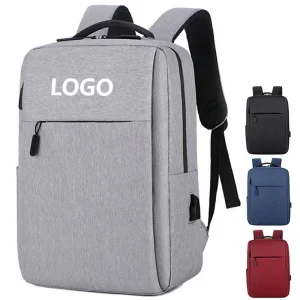
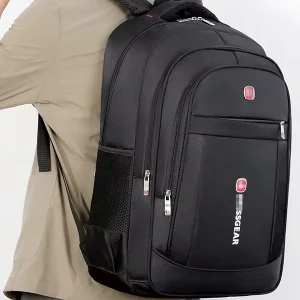
Backpacks and luggage bags are no longer passive carrying vessels. Integration of built-in USB/USB-C charging hubs, RFID-blocking fabric barriers, integrated Bluetooth location trackers, and hidden ergonomic anti-theft compartments are now standard design requirements for metropolitan professionals and student segments.
Airlines' tightening luggage weight parameters require advancements in material engineering. Utilizing high-density micro-weave Oxford nylon, composite EVA shells, and multi-layered impact-resistant polycarbonate back-plates allows brands to supply extremely lightweight bags that withstand the physical stresses of global transit.
Developing products for specific target demographics and operational environments increases sales velocity.
By mapping out consumer search intent and functional needs, our manufacturing processes prioritize specific product designs for distinct buyer personas:
Practical standards and test parameters used to ensure product reliability and mitigate risk across global shipping operations.
Reputable China luggage factories implement rigorous stress tests: Static loading checks up to 25kg, zipper cycle tests (10,000 runs without failure), fabric tear resistance evaluations, and salt-spray tests to ensure metal hardware elements do not rust during marine cargo transit.
Proper batch coordination ensures standard production runs are finalized in 30-45 days. By using modern ERP inventory management systems, factories coordinate fabric weaving, material dyeing, and die-cut preparation concurrently to minimize manufacturing bottleneck delays.
Choosing a manufacturer with direct connections to major shipping hubs, such as Tianjin Port, Qingdao Port, or Shanghai Port, reduces domestic transportation costs and avoids unexpected transit disruptions.
Expert answers addressing MOQ, custom specifications, testing, and shipping for global buyers.
For fully custom OEM designs (such as customized colors, hardware, and fabrics), the MOQ typically starts at 500 to 1,000 pieces per style. For ready-to-ship designs (RTS) or models using existing raw materials, the MOQ can be as low as 100 to 300 pieces, offering flexibility for growing brands.
We work closely with raw material suppliers to ensure that the PU leather, polyester fabrics, lining materials, and metal hardware elements comply with international standards, such as REACH (Europe) and California Prop 65 (USA), minimizing chemical risks.
Prototype development usually takes 5 to 7 business days once we receive your tech pack, physical reference sample, or design drawings. This includes sourcing the requested materials, pattern preparation, and embroidery or print setups.
We typically work on T/T terms, requiring a 30% deposit upon order confirmation and the remaining 70% balance before shipping. For delivery, we support FOB (Free on Board) at major shipping terminals, CIF (Cost, Insurance, and Freight), and EXW (Ex Works) arrangements depending on your logistics setup.
 Ripped Fashion