Explore our highly-durable, waterproof, and custom-tailored bags engineered for travel, outdoor leisure, and multi-scenario applications.
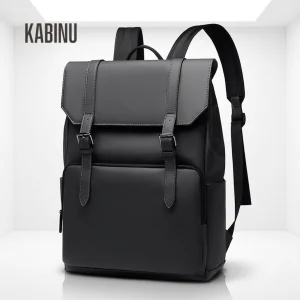
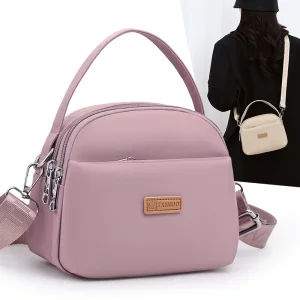
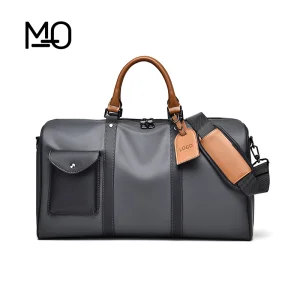
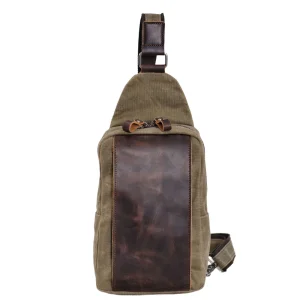
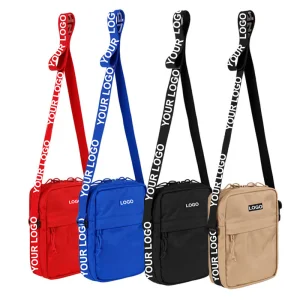
A comprehensive analysis of consumer trends, material science breakthroughs, and manufacturing capabilities shaping the international beach bag market.
The global beach bag market has transitioned from simple, single-use utility totes to high-performance lifestyle statements. Today’s consumers demand products that bridge the gap between leisure and technical utility. This paradigm shift requires beach bags to possess complex engineering: sand-resistant woven fibers, food-grade thermal insulation pockets, waterproof device sleeves, and certified eco-friendly structures. As global brands and B2B procurement managers navigate this landscape, partner selection at the factory level has become the single most critical vector for market success.
Modern beach bags are no longer confined to the shore. They act as commuter companions, family daypacks, and lifestyle travel gear. This crossover usage has catalyzed a surge in demand for materials like heavy-duty Oxford fabric, laminated organic canvas, recycled ocean-bound plastics (RPET), and flexible mesh fabrics. According to recent market analysis, the global market for beach accessories and premium leisure bags is projected to expand at a compound annual growth rate (CAGR) of 6.2% over the next decade. In this expanding sector, supply chain speed and customizability are the ultimate differentiators.
B2B importers, corporate gift buying agents, and lifestyle retail buyers face consistent challenges: balancing strict regulatory compliance (such as REACH and California Proposition 65) with competitive margins. Additionally, the shift toward sustainable products has created a strong market for verified organic canvas and recycled fabrics. Partnering with a specialized supplier like Hebei Ripped Fashion Co., Ltd. gives global buyers direct access to advanced raw material sourcing, certified green manufacturing, and significant economies of scale.
Hebei Ripped Fashion Co., Ltd. was established in 2009 and is located in Baigou Town, Baoding City, Hebei Province—widely known as the “luggage capital of China.” Leveraging its strong local supply chain advantages and mature manufacturing ecosystem, the company has developed into a professional manufacturer specializing in fashion bags and accessories.
Guided by the principles of high-quality products, excellent service, and competitive pricing, Hebei Ripped Fashion Co., Ltd. has built long-term and stable partnerships with overseas retailers, chain stores, and well-known trading companies in China and abroad. Its products are widely distributed across global markets and are well received by customers for their reliability and style.
The company occupies a total area of approximately 3,000 square meters, including a 2,000-square-meter production workshop. With a skilled workforce of more than 300 experienced employees, the company maintains strong production capacity and strict quality control throughout the manufacturing process.
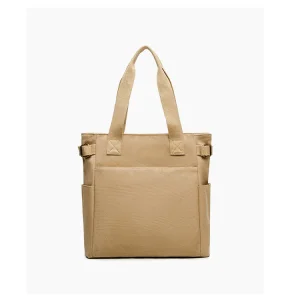
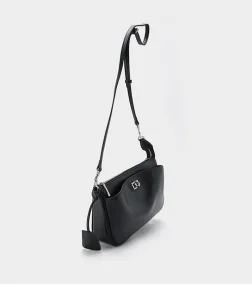
Its main product categories include handbags, backpacks, waist bags, tote bags, and shopper bags. The company also provides comprehensive OEM and ODM services, offering flexible customization solutions based on client requirements, including design development, material selection, logo branding, and packaging.
With over 20 years of combined industry experience in bag manufacturing, Hebei Ripped Fashion Co., Ltd. continuously updates its product designs to follow global fashion trends while ensuring durability and practical functionality. Fast delivery, fine craftsmanship, and consistent quality are the company’s core strengths, enabling it to maintain a strong reputation in international markets.
Looking ahead, the company is committed to further expanding its global presence, enhancing product innovation, and delivering more sustainable, stylish, and cost-effective fashion bag solutions to customers worldwide.
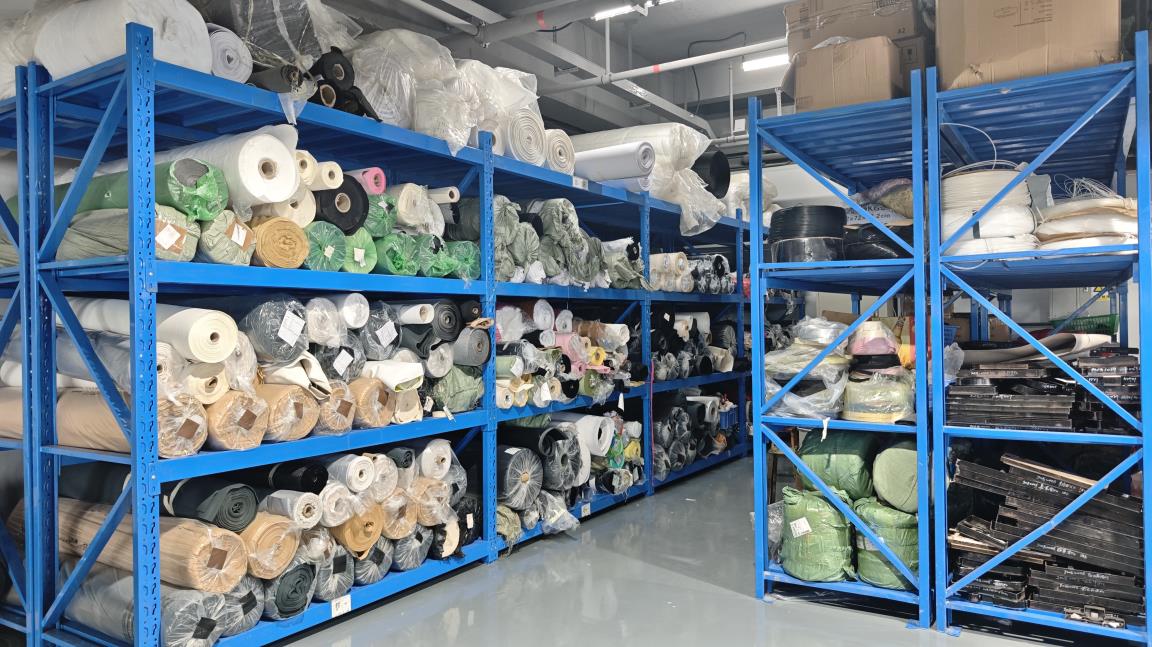
Our workshop combines digital automation with artisan craftsmanship to deliver flawless production, from raw fabric selection to finished products.
Strict inspection and preparation of incoming canvas, nylon, Oxford fabrics, and custom metal accessories.
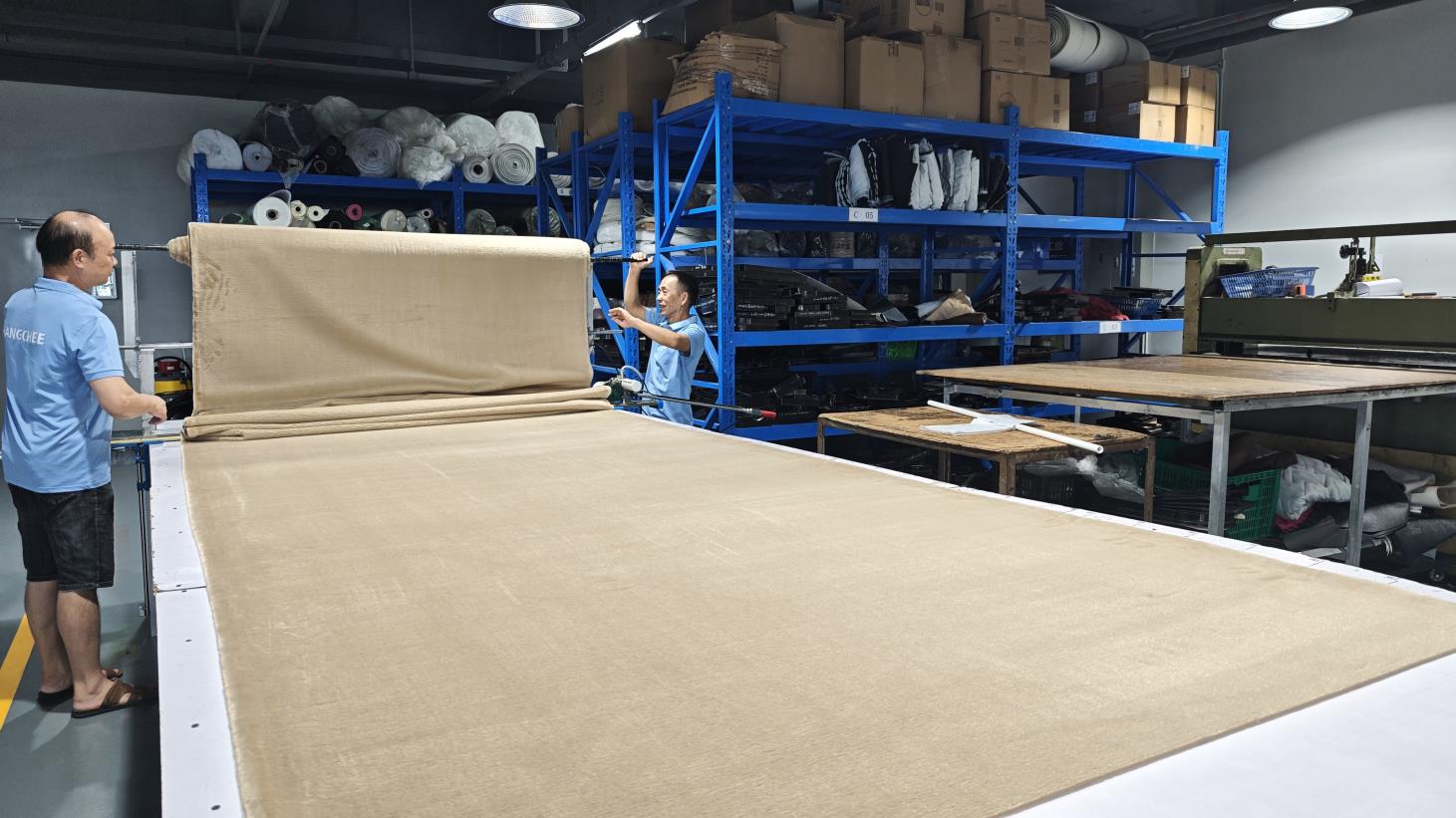
Advanced computer-guided nesting and cutting of materials to minimize waste and ensure dimension precision.
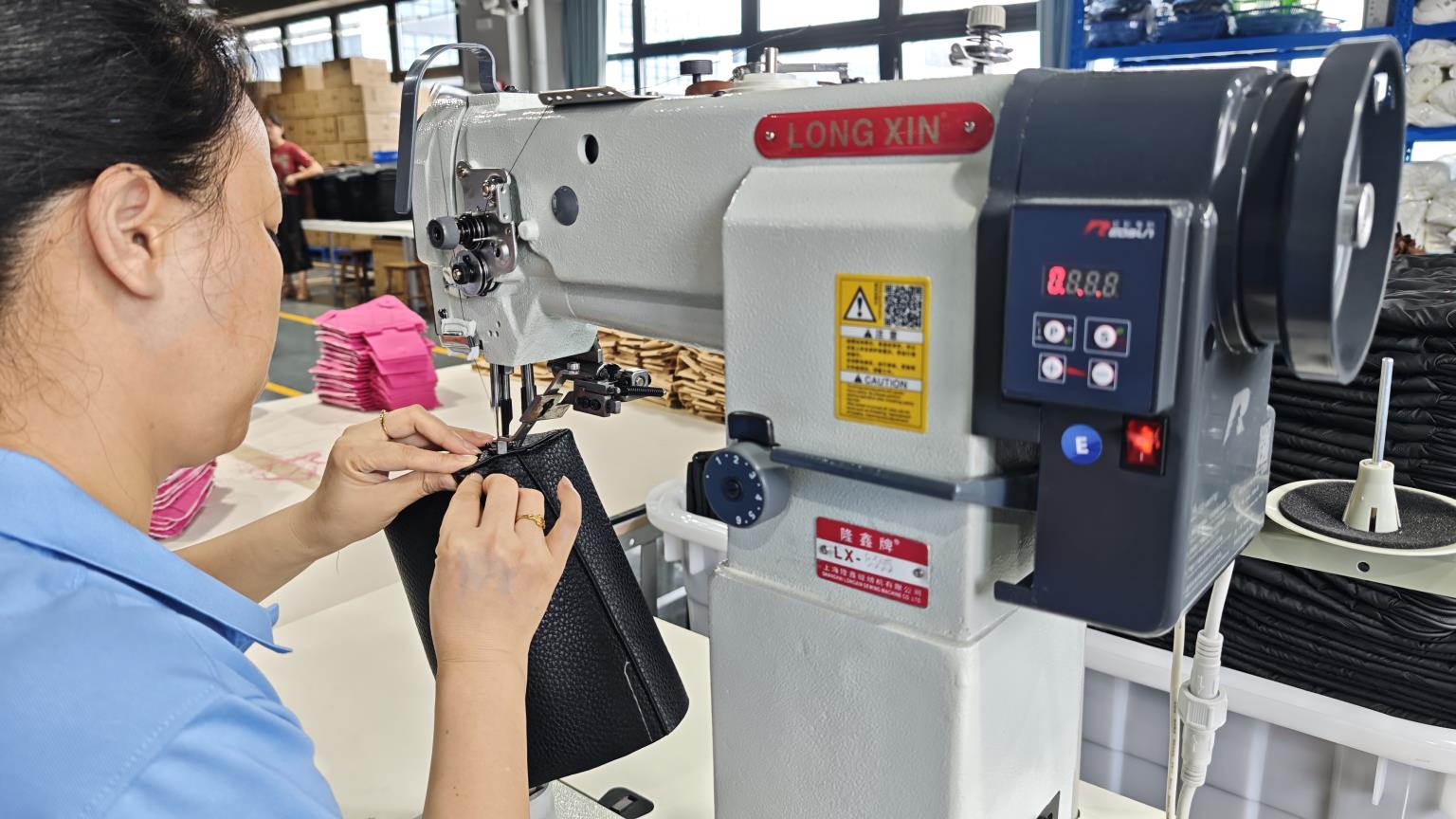
Skilled machine operators assemble the bag components using heavy-duty, weather-resistant nylon threads.
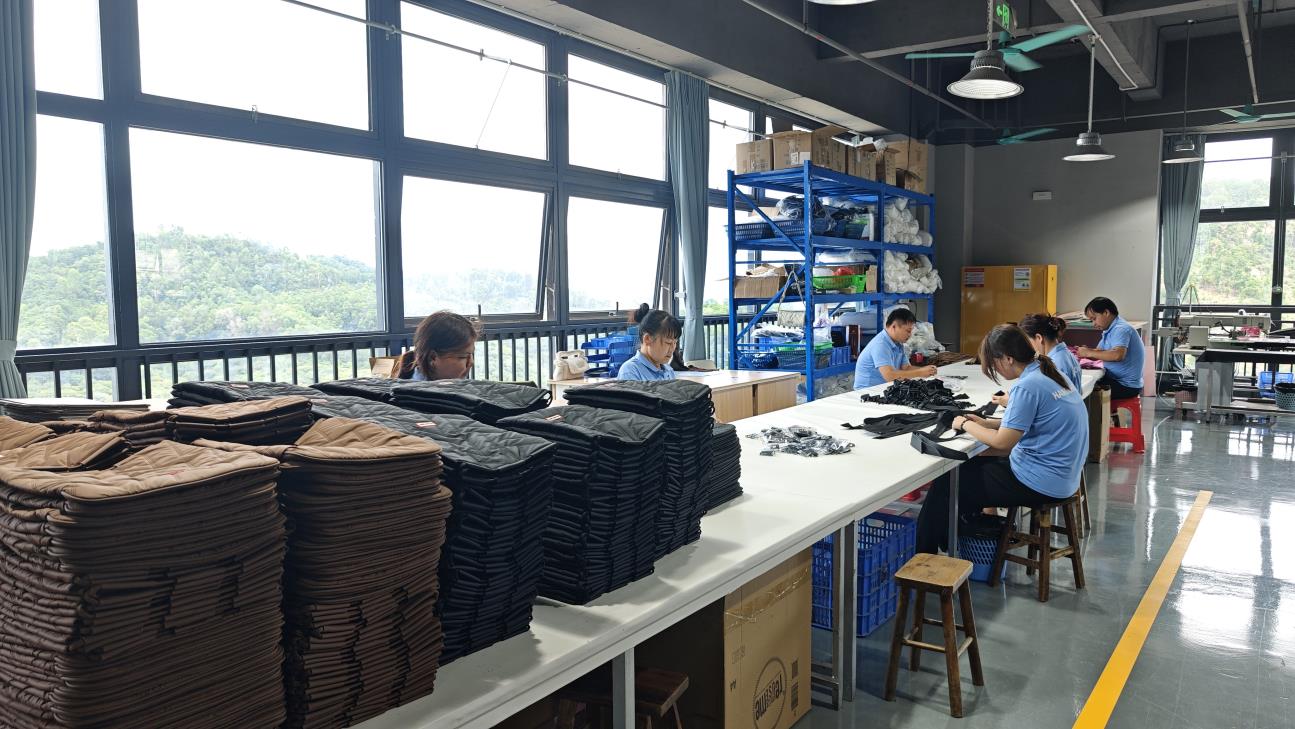
Multi-stage quality assurance check of stress points, zippers, and alignment before protective polybagging.
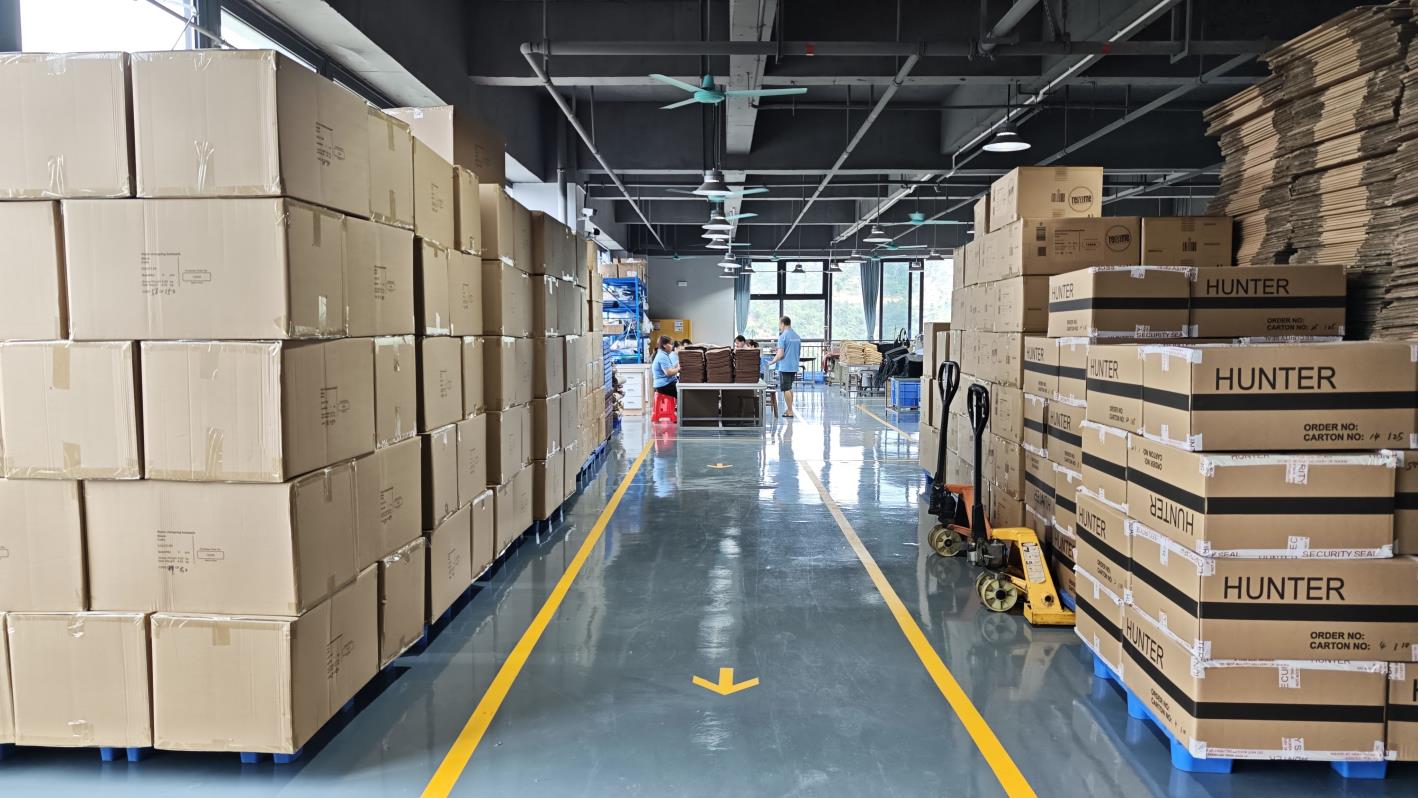
Organized, humidity-controlled storage space for fast preparation of domestic and international container shipping.
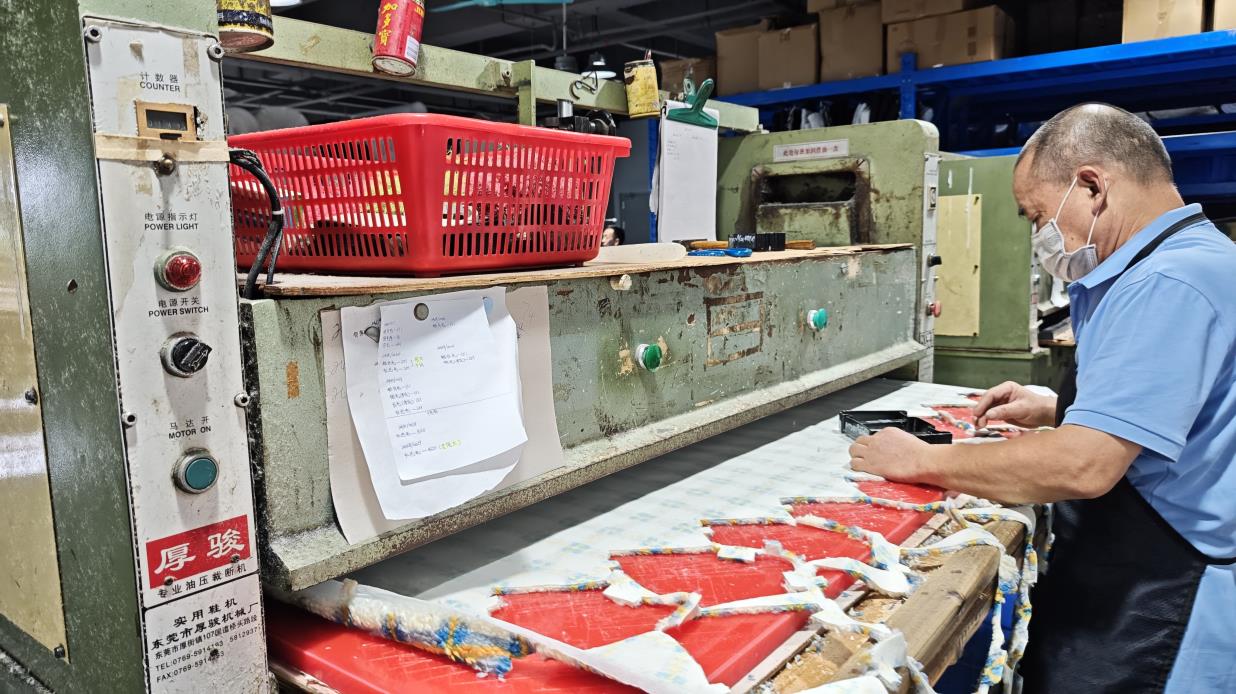
Specialized mechanical and die-press cutting setups for rapid fabric styling and bulk panel shaping.
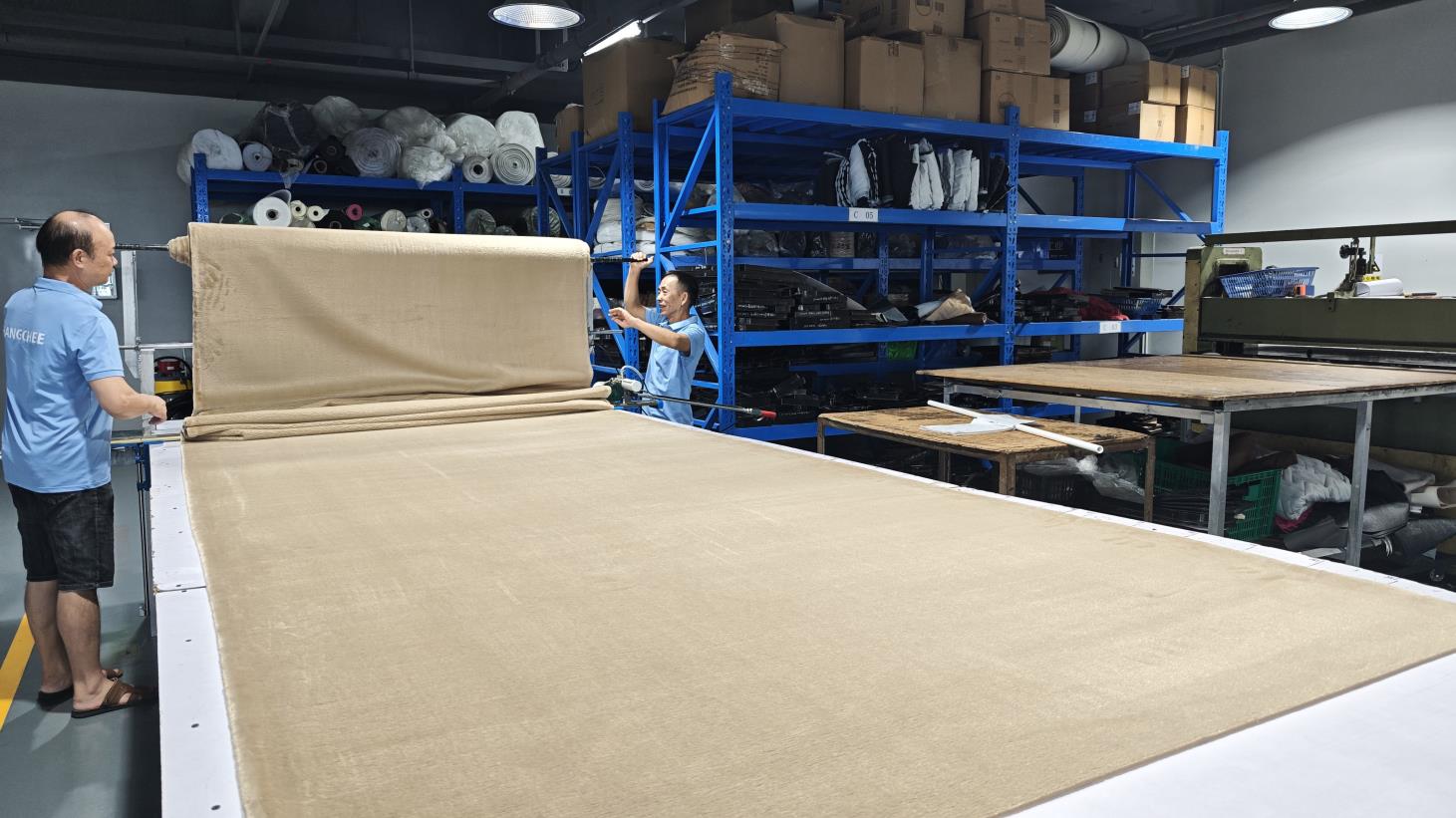
Spacious, high-efficiency assembly tables used to inspect fabric alignment before cutting operations.
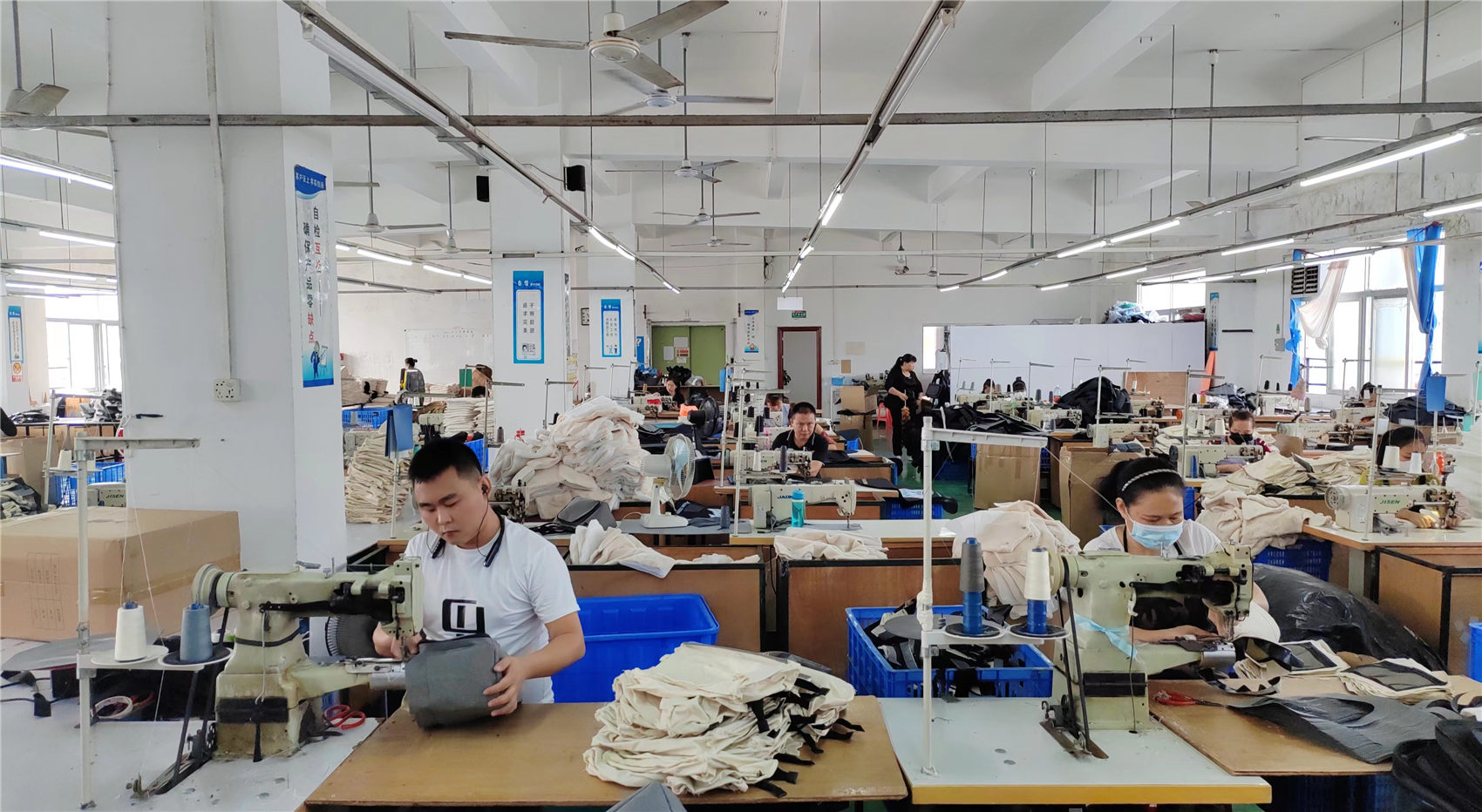
Precision stitching of interior pockets, laptop divisions, and zipper borders with optimal stitches per inch (SPI).
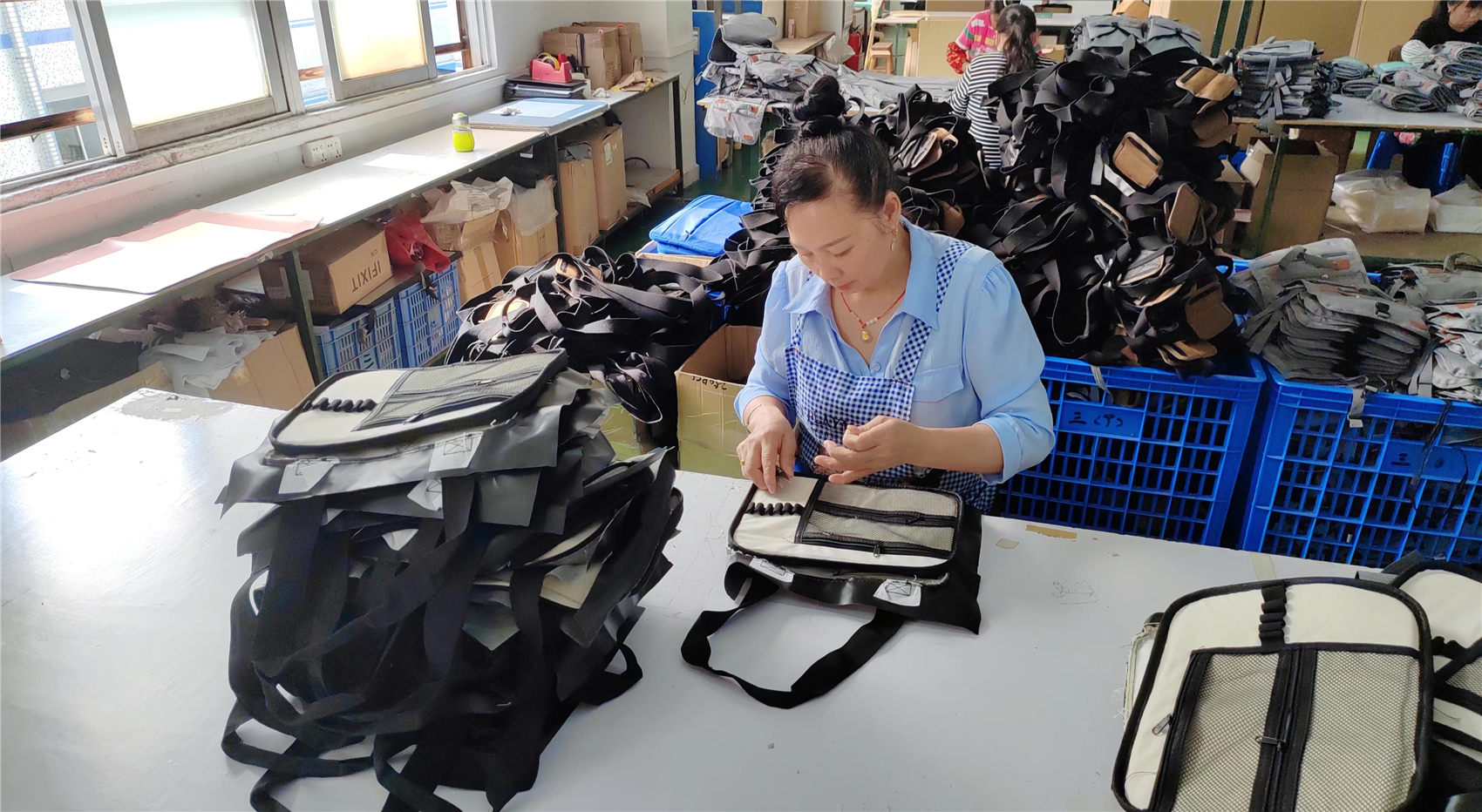
Every bag undergoes thorough hands-on inspection to guarantee seam strength and trim cleanliness.
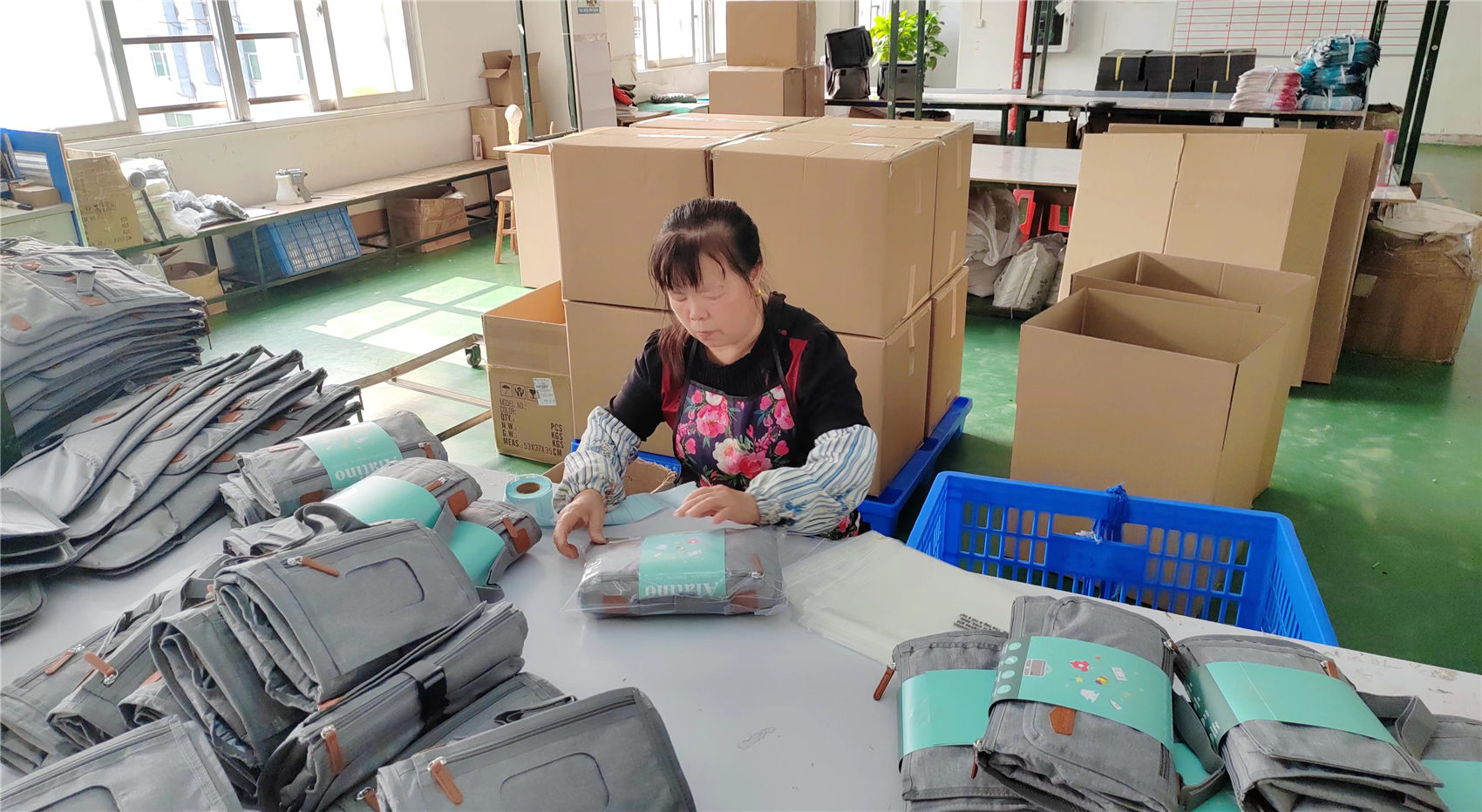
Individual bagging combined with silica gel inserts protects products from moisture during maritime transit.
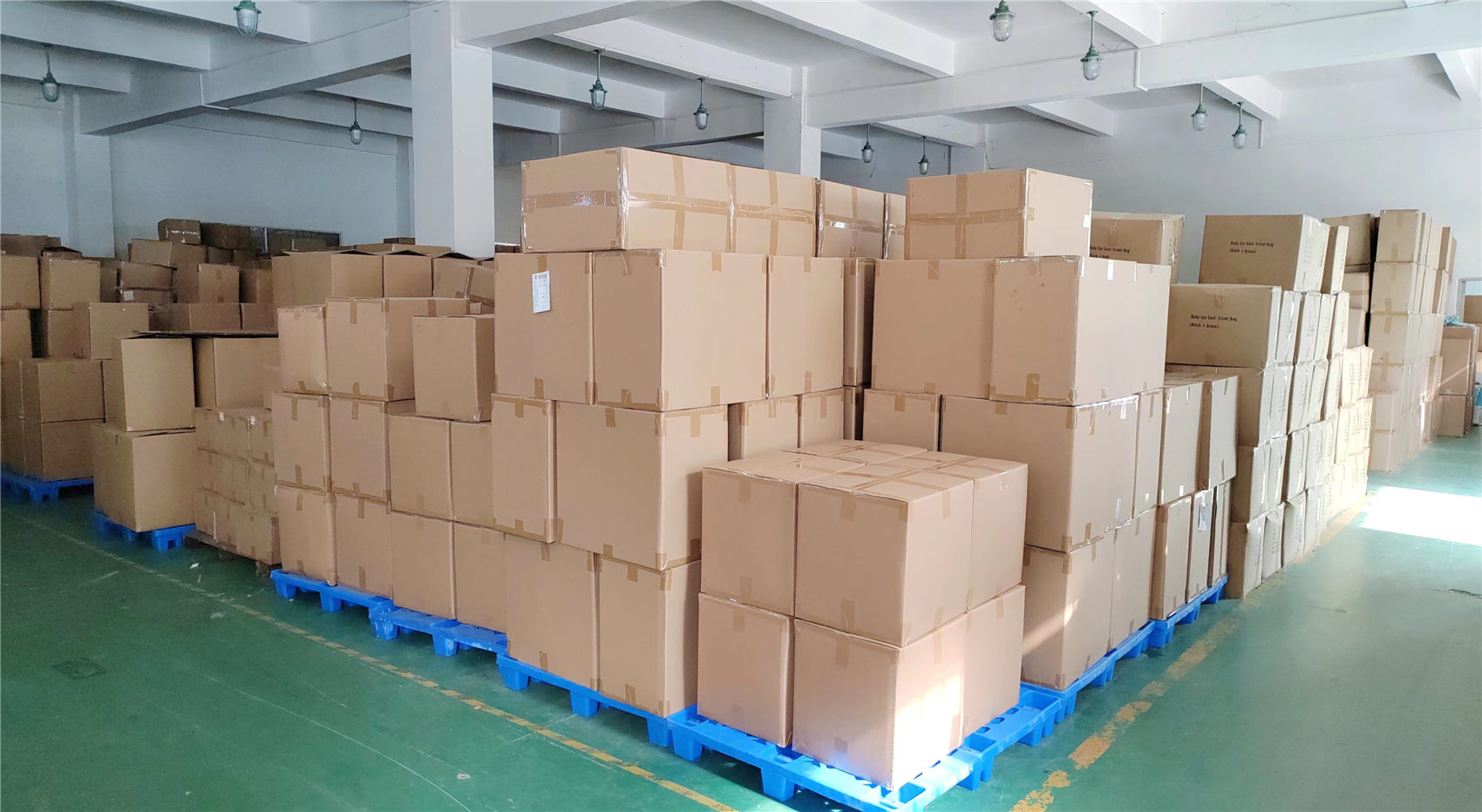
Finished goods are systematically cataloged and stacked to optimize loading density and speed.
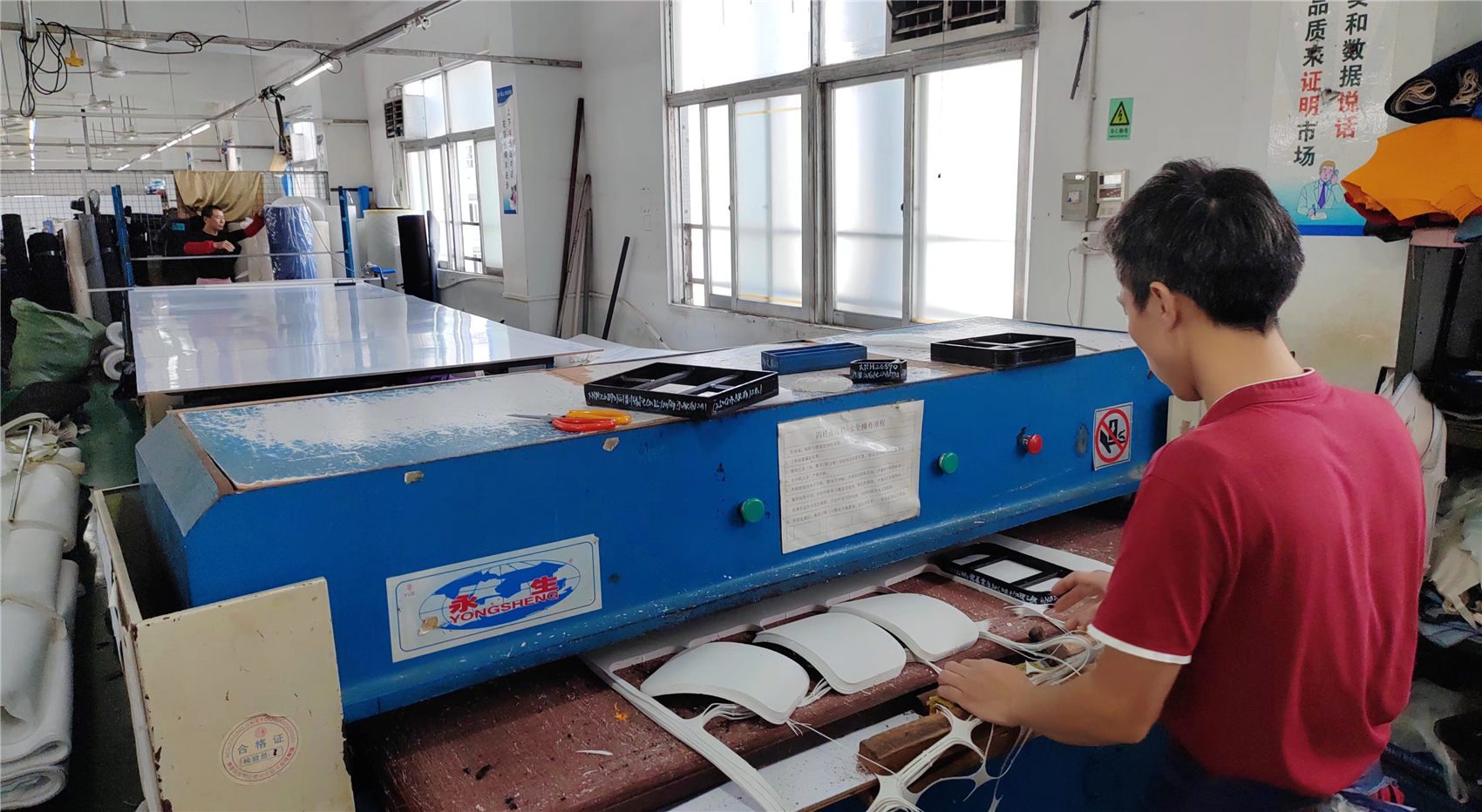
High-capacity automated die-cutters handle structural fabrics like canvas and heavy synthetic backing sheets.
Operating out of Baigou, the heart of China's luggage manufacturing industry, gives Hebei Ripped Fashion Co., Ltd. a significant competitive advantage. This cluster brings together material suppliers, hardware factories, printing specialists, and logistics partners within a 10-mile radius. This concentration minimizes supply chain bottlenecks and offers resilience against global market fluctuations. With this ecosystem, we can transition from design concepts to production-ready samples in just a few days, compared to weeks for isolated manufacturers.
Furthermore, our facility utilizes modern manufacturing workflows. By integrating digital pattern nesting with hydraulic and laser cutting machines, we reduce fabric waste by up to 15%. Our assembly line features specialized heavy-duty sewing setups capable of working with high-density canvas, nylon, and multi-layered synthetic fabrics. This structural reinforcement ensures that every stress point—such as handle attachments and corner seams—can handle typical outdoor wear and tear.
Selecting the right fabric is critical for developing a successful beach or travel bag line. Different markets have distinct requirements for water resistance, breathability, structure, and eco-certification. The table below details the performance characteristics of key materials used in our manufacturing process:
| Material Type | Water Resistance | Sand Proofing | Customizability | Primary Application |
|---|---|---|---|---|
| Recycled Oxford Fabric | Excellent (PU Laminated) | High | High (Sublimation/Screen Print) | Waterproof backpacks, durable travel duffles |
| Organic Cotton Canvas | Moderate (Needs coating) | Medium | Excellent (Direct embroidery) | Premium resort totes, eco-promotional bags |
| Heavy-Duty Nylon | Excellent (DWR Treatment) | High | High (Vibrant solid dyes) | Sport gym bags, lightweight crossbody slings |
| Mesh PVC / Polyester | High (Quick-dry drainage) | Low (Sand-filtering) | Medium (Border branding) | Classic sand-free family beach totes |
Enterprise sourcing extends beyond unit pricing; it requires comprehensive operational capabilities. Procurement managers from international brands prioritize several key factors when auditing potential manufacturers:
Designing and manufacturing bags tailored to real-world environments, from seaside resorts to metropolitan commutes.
Successful bag designs require an understanding of their intended environments. A high-quality beach tote must withstand moisture, UV exposure, and abrasive sand. To meet these demands, we utilize UV-stabilized canvas and mildew-resistant linings, extending the product's lifespan in harsh coastal conditions.
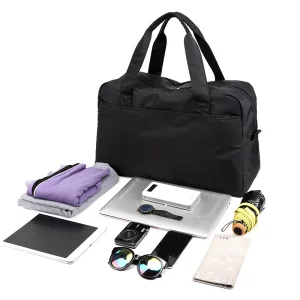
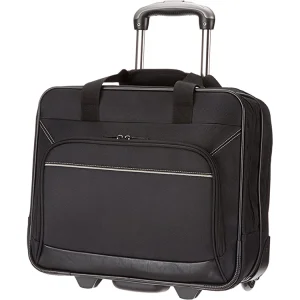
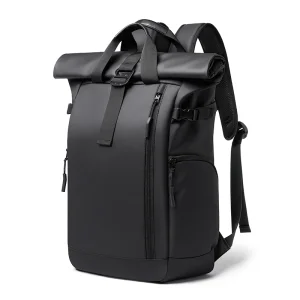
For city travel and daily commuting, the focus shifts to security and electronic protection. Our hybrid backpacks feature padded laptop sleeves, concealed anti-theft compartments, and built-in USB charging ports. This adaptability ensures the bag remains practical whether used for a weekend trip, a gym session, or a daily commute.
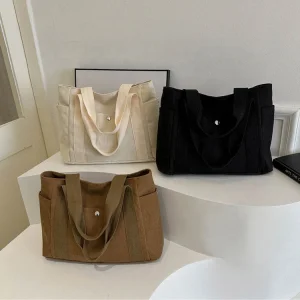
Additionally, we offer customization options tailored to promotional campaigns and events. Our large-capacity, reusable cotton canvas totes provide ample branding space for corporate logos, making them popular choices for resort retail, eco-tourism projects, and green initiatives.
Expert answers to common questions about international procurement, production timelines, custom branding, and shipping logistics.
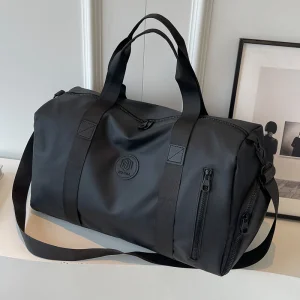
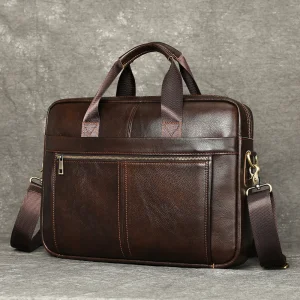
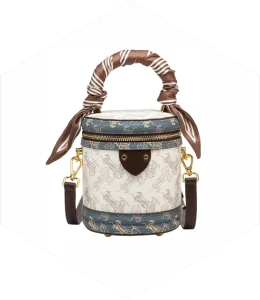
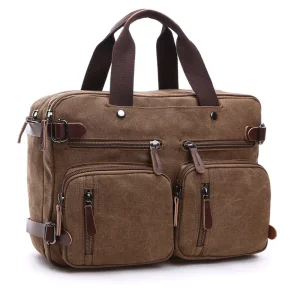
Browse our selection of professional business gear, active travel duffles, and casual everyday shoulder bags.
 Ripped Fashion