Finding what color handbag goes with every outfit sounds simple, but real wardrobes rarely follow simple rules. A bag must work with clothing, shoes, jewelry, skin tone, and daily routines. In my styling experience, black, taupe, and deep brown remain the most dependable choices. Still, no single shade looks perfect with every color, fabric, or occasion.
Fashion designer Michael Kors once said, “I’ve always thought of accessories as the exclamation point of a woman’s outfit.” His observation explains why handbag color matters so much. A structured black leather bag can sharpen denim, cream knitwear, and office tailoring. Warm cognac adds life to navy, olive, white, and rust. Soft taupe feels quieter beside pastel dresses and light gray coats. It is practical, not magical.
Consider your real closet.
Look closely.
If most of your shoes are black, a black handbag creates visual balance. If you wear tan boots often, cognac may blend more naturally. A medium neutral shade also hides minor marks, although pale leather can show stains quickly. That detail is easy to overlook. I have made that mistake myself.
This guide explores what color handbag goes with every outfit through outfit examples, contrast principles, seasonal textures, and practical buying advice. It also questions the idea of “universal” style. A versatile handbag should support your wardrobe, not erase your personality. The best choice may be slightly imperfect, but useful every morning.
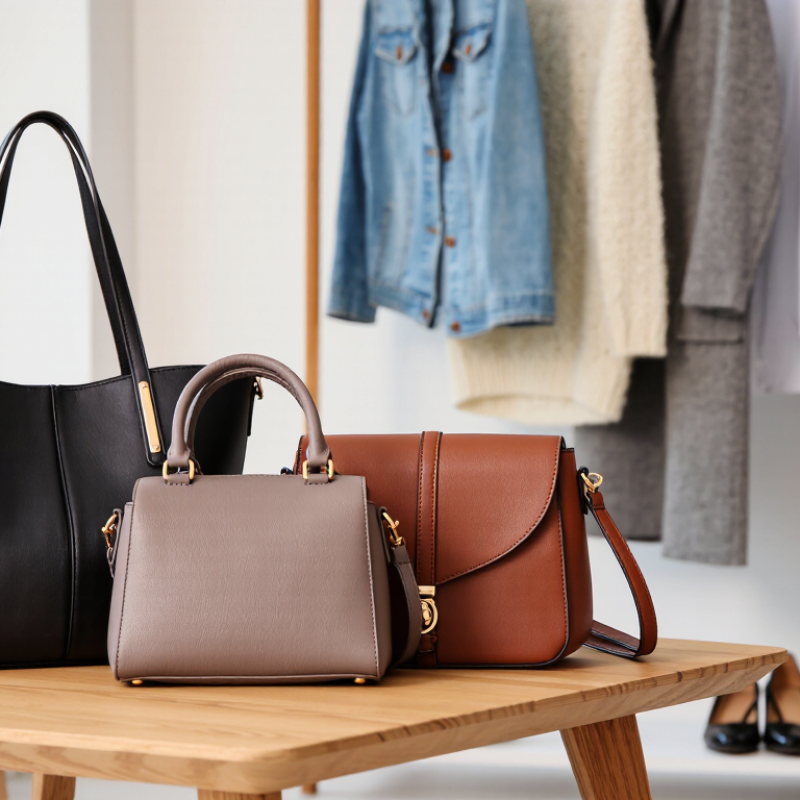
Neutral colors make handbags remarkably easy to style. Black, tan, cream, gray, navy, and soft brown work with most wardrobes. They complement denim, tailored trousers, floral dresses, and relaxed knitwear. A medium-sized tan bag can soften a dark outfit without looking overly formal. Black offers sharper contrast and suits evening clothing, office wear, and casual layers.
Warm beige looks natural beside ivory, rust, olive, and camel.
Cool gray pairs neatly with blue, white, charcoal, and silver accessories.
I have found that undertone matters more than people expect. Warm beige looks natural beside ivory, rust, olive, and camel. Cool gray pairs neatly with blue, white, charcoal, and silver accessories. Cream can brighten an outfit, but it may show marks quickly. That small detail is easy to overlook. Consider your daily routine before choosing a pale shade.
Material also changes how versatile a neutral handbag feels. Smooth leather-like finishes look polished, while woven fabric feels lighter for daytime use. A simple shape usually coordinates better than heavy decoration. I once assumed a bright white bag would match everything, but it felt harsh with some winter colors. That mistake changed my approach. Choose a neutral that repeats a color already present in your closet. Check the bag in natural light. Indoor lighting can distort beige and gray tones. Keep it practical.
A black handbag works like a quiet anchor in daily dressing. It connects easily with denim, tailoring, knitwear, and simple cotton dresses. In my styling experience, its strength comes from visual balance. Black adds structure without competing with prints, jewelry, or textured fabrics.
Choose the shape according to your routine. A medium shoulder bag suits commuting, errands, and casual lunches. A structured top-handle style feels more polished with trousers or a blazer. For weekends, a soft crossbody offers comfort and keeps your hands free. Check the strap length carefully. Small details matter.
Material changes the impression. Smooth leather-looking finishes appear refined, while woven or softly grained surfaces feel relaxed. Black also hides minor marks better than pale colors, which helps during busy days. Still, it is not perfect. Black can look heavy beside very light summer clothing or delicate pastel outfits. I once paired it with a pale linen dress and found the contrast too sharp. A softer brown or muted gray would have worked better.
Hardware deserves attention too. Silver-toned details can complement cool colors, while warm metal suits cream, camel, and olive. Keep the bag practical. It should hold your phone, keys, wallet, and a small personal item without losing its shape. An everyday match should feel dependable, not restrictive.
A tan or camel handbag can work with more outfits than most colors. Its appeal comes from balance. Tan has golden, earthy warmth, while camel usually carries a softer, muted depth. Both shades sit between light and dark, so they rarely compete with clothing. In my styling experience, a camel bag looks especially natural with cream, olive, rust, chocolate, and warm gray. These combinations create a grounded appearance without feeling overly matched.
Cool tones can also benefit from these neutral browns. Try a camel handbag with navy, denim blue, charcoal, or pale lavender. The warm leather-like color adds contrast and prevents a cool outfit from looking flat. A structured bag can sharpen a relaxed sweater and jeans, while a soft shoulder bag makes tailored clothing feel less severe. Check the color in daylight. Indoor lighting can make camel appear more orange than it really is.
Not every tan bag suits every complexion or wardrobe. I once chose a yellow-toned camel shade that made several outfits look dull. The mistake was small but noticeable. A cooler tan may work better with silver jewelry, blue clothing, and pink-based neutrals. Texture matters, too. Smooth material feels polished, while suede or woven surfaces appear more casual. Keep the hardware simple when the color already has visual warmth. The result may not be perfect, and that is useful feedback. A few real outfits reveal more than a mirror check.
A handbag that works with every outfit is less about one magical color and more about controlled contrast. White handbags brighten denim, tan trousers, and soft summer dresses. Choose a structured white bag when your clothing looks relaxed or oversized. Smooth leather-like surfaces appear polished, while woven textures feel more casual. White can show dust quickly, though. I learned that lesson on a rainy commute.
Gray handbags offer the most forgiving balance. Light gray suits pale colors, silver jewelry, and cool-toned outfits. Charcoal gray adds depth to black, burgundy, cream, and muted green. It feels professional without appearing severe. For daily use, choose a medium gray bag with strong stitching and an easy-to-clean lining. A gray bag can look dull beside dusty clothing, so texture matters. Soft suede may help, but it demands more care.
Navy handbags bring quiet contrast. They pair naturally with white shirts, beige coats, denim, and striped clothing. Navy often looks softer than black, especially in daylight. Select it when you want a dependable work bag without a harsh edge. Metallic handbags are different. Silver adds a cool evening accent, while muted gold warms brown, cream, and olive outfits. Keep the rest of your accessories simple. Too much shine can compete with the clothes. I sometimes choose metallic bags for daytime, then regret the attention. Still, fashion is partly useful experimentation.
A medium taupe handbag is one of the most adaptable choices for daily dressing. It works with denim, cream, black, olive, navy, and soft pastels. In wardrobe consultations, I often recommend a muted shade with a simple finish. It does not compete with patterned clothing. Neutrals are forgiving.
Match the handbag with your shoes when the outfit already has several colors. Taupe shoes create a quiet, coordinated line. Black shoes can support a black, charcoal, or sharply tailored outfit. Brown shoes usually pair better with tan, rust, ivory, and warm green clothing. The exact shade does not need to match. Similar undertones matter more. Watch the undertone.
Accessories can guide the final choice. Gold jewelry feels natural with camel, cream, and warm brown bags. Silver jewelry often looks cleaner beside gray, navy, and cool beige. A scarf, belt, or hair accessory can repeat the handbag color in a small detail. This makes the outfit feel intentional without looking copied. I once matched a warm brown bag with icy gray clothing, and the result looked slightly dull. The bag was attractive, but the undertones argued. That mistake changed how I shop. Now I check colors beside daylight before deciding. Black remains practical, but it can feel heavy with light summer clothes. Taupe is not perfect either. It may look flat beside very bright colors, especially without a darker accessory nearby.
Black, tan, cream, gray, navy, and soft brown suit many wardrobes. They work with denim, trousers, dresses, and knitwear.
Usually, yes. Black adds structure to office clothes, denim, prints, and casual layers. It can look heavy with pale summer clothing.
Choose tan for a warm, relaxed appearance. Camel pairs well with cream, olive, rust, chocolate, navy, and denim.
Yes. Cool gray suits blue, white, charcoal, and silver accessories. Camel can add warmth to navy, denim, and pale lavender.
It matters more than expected. Warm beige suits ivory and olive, while cool gray works better with blue and silver.
Smooth leather-like material appears polished. Woven fabric and suede feel more casual. Texture changes the outfit’s mood.
A medium shoulder bag suits commuting and errands. A soft crossbody works for weekends. Check the strap length carefully.
Check it in natural light. Indoor lighting can change beige and gray tones. Wear it with three real outfits.
Cream can brighten clothing, but it may show marks quickly. Black hides minor marks better. Daily routines matter.
It can help, but it does not need to match perfectly. Silver suits cool colors, while warm metal complements camel and olive.
Finding what color handbag goes with every outfit starts with choosing versatile neutrals. Black is a dependable everyday option because it adds contrast to light clothing and blends naturally with darker shades. Tan and camel handbags bring warmth to cream, brown, green, and other earthy colors, while also softening cooler outfits in blue, gray, or white. These shades are practical for both casual and polished looks.
White and gray bags create a clean, modern effect, while navy offers a softer alternative to black without losing versatility. Metallic handbags can add subtle interest when an outfit needs a little shine, especially for evening or special occasions. To create a balanced appearance, coordinate the handbag with one element of your clothing, shoes, or accessories rather than matching everything exactly. Repeating a similar tone or choosing complementary shades helps the entire outfit look intentional, flexible, and well styled.
