A nylon backpack carries more than books, bottles, and travel memories. It also collects sweat, dust, food stains, and moisture inside its seams. Learning how to wash a nylon backpack in a washing machine can refresh the fabric without damaging its shape, coating, zippers, or padded straps. The method matters. A careless hot cycle may twist the bag, fade its color, or weaken waterproof finishes.
Textile Exchange’s Materials Market Report 2024 identifies nylon as a major synthetic fiber used across performance and lifestyle products. That durability helps backpacks tolerate regular use, but it does not make every backpack machine-safe. The American Cleaning Institute also emphasizes reading care labels and choosing washing conditions according to fabric construction. Mary Gagliardi, cleaning expert and Clorox in-house scientist, advises, “Always read the care label before washing.” That simple sentence prevents many avoidable mistakes.
Still, labels can be vague. Some bags contain leather trims, glued panels, metal frames, or delicate foam. I once assumed a cold cycle was harmless, yet a poorly protected zipper scratched the drum and left the bag misshapen. The lesson is uncomfortable: nylon may be washable, while the whole backpack may not be. These seven practical tips explain how to inspect the bag, remove loose debris, protect hardware, select a gentle cycle, and dry it safely. They also address mistakes that seem minor, such as leaving pockets closed or using too much detergent. Cleanliness is useful, but preserving the backpack’s structure matters just as much.
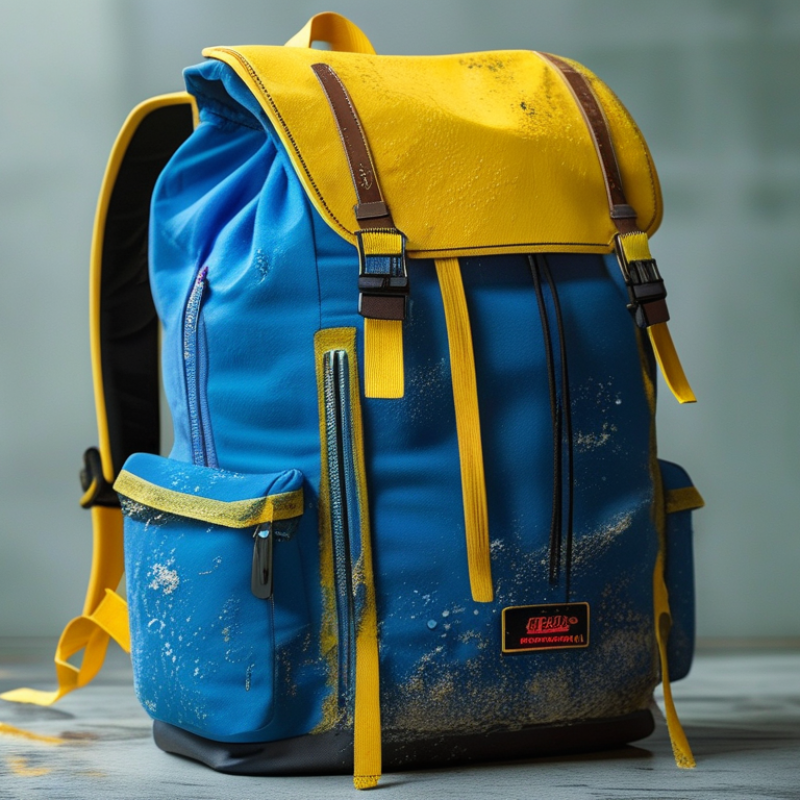
Read the care label before using a washing machine. It may allow machine washing, hand washing, or spot cleaning only. Nylon can tolerate water, but coatings, foam, and glued panels may not. The International Organization for Standardization’s ISO 6330 outlines controlled domestic washing procedures for textile testing. Those procedures show why temperature and cycle choice matter.
Empty every pocket completely. Check the main compartment, laptop sleeve, bottle holder, and hidden zipper pocket. Remove coins, paper, food crumbs, and detachable frames. Small objects can damage the drum or stain wet nylon. I once missed a metal keyring. That mistake left a sharp scrape inside the bag. Look closely. Shake the backpack upside down, then vacuum loose grit from the seams.
Follow the label’s temperature and cycle instructions. A cold, gentle cycle is often less aggressive than hot washing. AATCC TM61 uses an accelerated cycle that approximates five home launderings for colorfastness testing. This does not mean every backpack survives five normal washes equally well. Repeated agitation can weaken water-repellent finishes. Remove loose straps when possible, and close every zipper before washing. If the label is missing, test a hidden area with a damp white cloth. Color transfer is a warning. Stop there.
7 Tips How to Wash a Nylon Backpack in a Washing Machine
Prepare the backpack before it meets water. Empty every pocket, including hidden sleeves. Shake it outdoors to release sand and crumbs. Use a soft brush on seams, zippers, and the bottom panel. A damp cloth can lift dried mud without spreading it. I once skipped this step, and grit scratched the washer drum. That mistake was avoidable.
Tip: Protect the backpack’s features. Remove detachable straps, foam inserts, and metal accessories when possible. Zip every compartment halfway, not tightly. Place the backpack inside a large mesh laundry bag or clean pillowcase. Test a hidden area with mild detergent and cool water. Nylon can resist wear, but coatings and printed details may not. Check the care label before choosing a machine cycle.
Tip: Use a gentle, cold-water cycle with a small amount of liquid detergent. Avoid bleach, fabric softener, and harsh stain removers. The U.S. Environmental Protection Agency and ENERGY STAR report that certified clothes washers use about 30% less water and 20% less energy than standard models. A properly prepared load supports that efficiency. Still, machine washing is not always ideal for structured bags. Hand cleaning remains safer when the backpack has leather trim, rigid panels, or delicate waterproofing. Air-dry it open and upside down, away from direct heat. The inside may feel dry before the padding does. Check twice.
Before washing, check the care label because nylon blends can react differently to heat. Empty every pocket and shake out crumbs, sand, and loose dust. Remove detachable straps or accessories when possible. Treat visible stains before placing the backpack inside the machine.
For fresh food or mud, blot gently instead of rubbing. Mix lukewarm water with a small amount of mild liquid detergent. Dab the mixture onto the stain, then wait about ten minutes. Test it on a hidden seam first. Strong scrubbing can roughen nylon fibers. I once rubbed a greasy mark too hard and left a dull patch behind. It was avoidable.
Close every zipper and fasten loose straps. Tuck the ends inside a mesh laundry bag or clean pillowcase. This reduces tangling and protects the machine drum. Use cold water, a delicate cycle, and low spin. Add only a small amount of detergent. Excess soap may remain inside padded sections. Avoid chlorine bleach and harsh removers unless the care label specifically allows them. Do not overload the washer.
Remove the backpack immediately after the cycle. Reshape it with your hands and check the seams, pockets, and padding. Air-dry it in a shaded, well-ventilated place with all compartments open. Avoid a dryer unless the label permits it. I have hurried this step before, and trapped moisture caused an unpleasant smell. Drying takes patience.
A nylon backpack can usually handle machine washing, but preparation matters. Check the care label before touching the machine. Empty every pocket, including hidden compartments. Remove notebooks, crumbs, and detachable straps. Brush away dry dirt with a soft cloth. Zip the main compartments closed, but leave small mesh pockets open. Place the backpack inside a mesh laundry bag or clean pillowcase.
Choose the gentle or delicate cycle. Avoid normal and heavy-duty settings. They can twist seams and damage padding. Select cold water or the lowest temperature allowed by the care label. Warm water may loosen coatings or cause color fading. Use a small amount of mild liquid detergent. Powder can leave pale residue inside nylon fibers. Skip bleach, fabric softener, and stain removers with strong chemicals. Less detergent works better here. Too much soap is difficult to rinse from thick straps.
Wash the backpack alone or with a few soft towels. The towels reduce sharp impacts inside the drum. Check the backpack after the cycle ends. If it still smells dirty, repeat a gentle wash instead of adding stronger chemicals. I sometimes overestimate how much detergent is needed. That usually creates more rinsing work. Never put the backpack in a hot dryer. Press out water gently, reshape the panels, and air-dry it upside down in a ventilated place. Keep it away from direct, intense sunlight. The fabric may dry unevenly. Be patient.
Recommended choice: Select a gentle cycle at about 30°C, use a small amount of mild detergent, and avoid bleach, fabric softener, and high heat. Always check the care label first, remove all items, close zippers, and place the backpack in a laundry bag or pillowcase.
After washing a nylon backpack, air-drying is more important than rushing the next step. Remove excess water with a clean towel. Do not twist the fabric, because twisting can stress seams and straps. Open every pocket and leave the zippers partly unfastened. This allows trapped moisture to escape.
Shape the backpack while it is still damp. Place it in a shaded, well-ventilated area. Direct sunlight may fade nylon and weaken some coatings over time. Avoid radiators, hair dryers, and tumble dryers. High heat can warp plastic supports or make the fabric feel brittle. Check the backpack after several hours, especially around padded sections and the bottom panel. These areas often stay wet longer. It should feel completely dry, not merely warm.
I once stored a bag too soon. It smelled musty the next morning. That mistake was avoidable. Before using the backpack again, inspect the shoulder straps, stitching, buckles, and seams. Look for loose threads, peeling coating, distorted padding, or small tears. Test each zipper gently. Do not pull hard if fabric catches. A small seam problem can spread when the bag carries weight. If the backpack looks damaged, repair it before loading books or equipment. I also check the inside lining by hand, because hidden dampness is easy to miss. Drying takes patience. That part is not exciting.
No. Check the care label before washing. Coatings, foam, glued panels, or rigid parts may require hand cleaning. When uncertain, choose gentle hand washing.
Empty every pocket, including the laptop sleeve and hidden zipper pocket. Remove coins, food crumbs, frames, straps, and metal accessories. Shake it upside down.
Use a soft brush around seams, zippers, and the bottom panel. Wipe dried mud with a damp cloth. Vacuum loose grit from narrow seams. Look closely.
Use a cold, gentle cycle when the care label permits machine washing. Hot water and strong agitation may weaken coatings and water-repellent finishes. Cold is usually safer.
Use a small amount of mild liquid detergent. Avoid bleach, fabric softener, and harsh stain removers. Too much detergent can remain inside padded sections.
Place it inside a large mesh laundry bag or clean pillowcase. Close all zippers, but leave compartments slightly open. Remove loose straps when possible.
Yes. Apply cool water and mild detergent to a hidden area. Press it with a damp white cloth. Color transfer means you should stop and hand clean it.
Air-dry it open and upside down, away from direct heat. Padding can stay damp after the fabric feels dry. Check twice. Never rush this part.
Leaving coins, grit, or a metal keyring inside can cause stains or scratches. I once missed a keyring. That mistake was avoidable. Inspect every pocket again.
Learning how to wash a nylon backpack in a washing machine begins with checking the care label and emptying every pocket. Remove loose dirt, crumbs, and dust, then detach any removable parts when possible. Protect zippers, buckles, straps, and padded features by securing them or placing the backpack inside a mesh laundry bag. Before washing, inspect the fabric and pre-treat visible stains with a small amount of mild detergent and water, testing an inconspicuous area first.
To safely clean the backpack, use a gentle cycle with cold or lukewarm water and a mild detergent. Avoid harsh chemicals, bleach, and excessive agitation, which may weaken the nylon or damage its coatings. When the cycle ends, reshape the backpack and let it air-dry completely in a well-ventilated area, away from direct heat and strong sunlight. Once dry, check for remaining stains, loose stitching, damaged hardware, or trapped moisture before using or storing it.
