How to Store Handbags to Prevent Molding Effectively?

Time:2026-08-09 Author:Sienna
0%

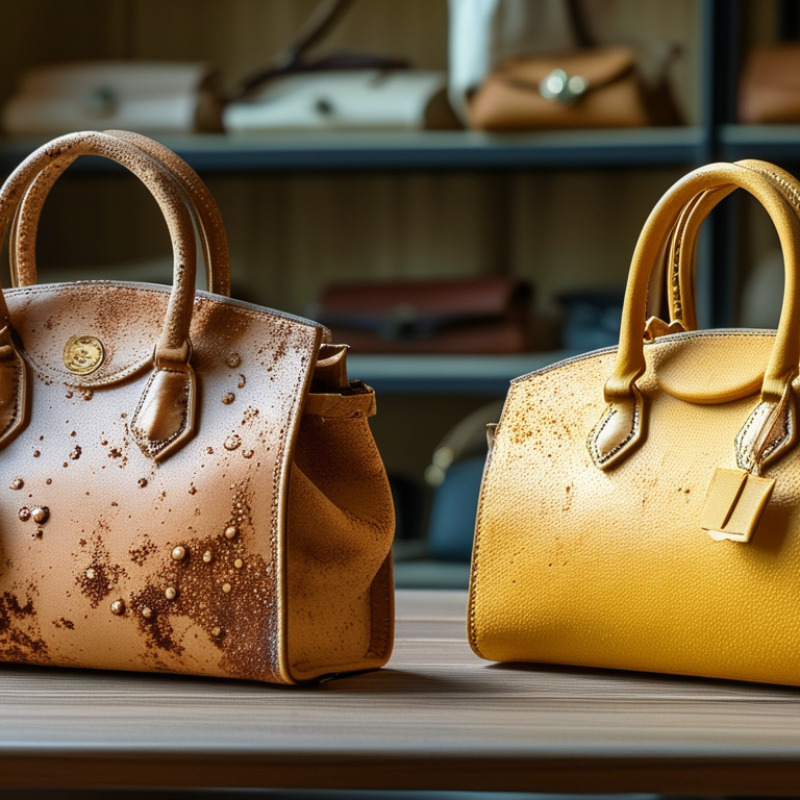
When it comes to luxury handbags, proper storage is essential. Many enthusiasts face the challenge of how to store handbags to prevent molding. Mold can quickly ruin your precious bags, leading to costly repairs or replacements. A well-thought-out storage strategy can help safeguard your investment.

Humidity is an enemy of handbags. Even a slight increase in moisture can spur mold growth. Therefore, it’s important to create an environment that controls this risk. Use breathable dust bags instead of plastic. These materials allow air circulation and reduce the chances of moisture buildup. Additionally, consider using silica gel packets. They help absorb excess humidity, contributing to a safer storage space.

However, storing handbags isn't just about humidity. It's also about temperature and organization. A dark, cool spot can make a significant difference. You might feel tempted to stack bags, but this can cause distortion. Instead, find a method that allows easy access while keeping them adequately spaced. Regularly inspect your collection, as diligence goes a long way in ensuring the longevity of your handbags.
How to Store Handbags to Prevent Molding Effectively?

Choosing the Right Storage Location for Your Handbags

Choosing the right storage location for your handbags is crucial. Humidity and temperature can greatly affect their condition. A dry and cool environment is ideal. Avoid attics and basements, as they tend to hold moisture. Instead, consider a closet on an interior wall. This will keep your handbags safe from temperature fluctuations.

When storing handbags, consider using dust bags. These provide an extra layer of protection against dust and light. You might also want to organize them by size or color. This not only looks great but also helps you find the right bag quickly. Remember that overcrowding can cause deformation. Always leave enough space for each piece.

Pay attention to sunlight exposure. Ultraviolet rays can fade colors and degrade materials. Choose a storage area with minimal direct sunlight. Additionally, check the air circulation in the space. Stagnant air can lead to mold problems. Regularly inspect your bags to catch any issues early. This way, you can ensure that your collection remains in pristine condition.

Preparing Bags for Long-Term Storage to Prevent Molding

Storing handbags properly is essential for their longevity. If you want to prepare your bags for long-term storage, focus on a few key steps. Start by cleaning each bag inside and out. Use a soft cloth to remove dust or debris. It’s wise to use a gentle cleaner matched to the material. This minimizes risks of mold developing in hidden spots.

Next, consider the environment where your bags are stored. Choose a dry, cool area. Moisture is a major enemy to handbags. Avoid attics or basements, as they can get humid. If possible, create airflow around your bags. Avoid stacking them to reduce pressure and potential deformities.

Tips: Place silica gel packets inside each handbag. They absorb moisture efficiently. You can also use cotton tissue or fabric to keep their shape. Regularly check your storage area for any signs of dampness. If you notice any mold, act quickly. Cleaning and drying can save your handbags. Keeping an eye on these details can make a difference in the long run.

Using Breathable Materials for Handbag Storage Solutions

When storing handbags, breathable materials are essential to prevent mold. Over 60% of handbag damage is attributed to mold growth. This usually occurs in humid environments, where moisture can accumulate. To combat this, use storage bags made from cotton or linen. These materials allow air circulation, keeping moisture at bay.

Avoid plastic bags for long-term storage. Plastic traps humidity, creating a perfect environment for mold. According to the Environmental Protection Agency, mold thrives in areas with over 50% humidity. Using breathable materials can reduce this risk significantly. Consider adding silica gel packets, as they absorb excess moisture without compromising airflow.

Pay attention to the climate in your storage area. If the environment is too damp, even breathable materials might fail. It’s important to regularly check your stored handbags. There might be hidden signs of mold that you could miss. If you notice any musty odors, it’s time to reassess your storage methods. Regularly inspect and refresh your storage solutions to ensure optimal conditions.

Maintaining Optimal Humidity and Temperature for Handbags

When it comes to storing handbags, humidity and temperature play crucial roles. High humidity levels can lead to molding, which damages the material over time. Ideally, the storage area should maintain a relative humidity between 30% and 50%. Too much moisture promotes mold growth while too little can dry out leather and other materials.

To achieve this balance, consider using a dehumidifier in damp areas. In contrast, you can use a humidifier if the air is too dry. This can create a more stable environment. A thermometer and hygrometer can help monitor these conditions. Checking the readings regularly ensures the environment remains ideal.

Proper storage techniques are essential. Use breathable dust bags to protect handbags from dust. Avoid plastic, which can trap moisture. Place silica gel packets inside the bags to absorb excess humidity. Regularly inspect the handbags for signs of mold or mildew. This proactive approach allows you to catch issues early, preventing more significant damage in the future. Remember, even when well-stored, periodic cleaning and rest can enhance their longevity.

Regular Maintenance and Inspection of Stored Handbags

Regular maintenance and inspection of stored handbags are crucial for preventing mold. Simply putting handbags away isn’t enough. They need attention every few months. Check for dampness and ensure they are completely dry. Mold thrives in moisture. Ignoring this can lead to irreversible damage.

Inspecting your handbags involves more than just looking at the surface. Open each bag and check the lining and corners. Look for any signs of discoloration or unusual smells. Even a small amount of moisture can lead to mold growth. Consider placing silica gel packets inside to absorb any excess moisture. This small step can make a significant difference.

Consider their storage environment. A dark, warm, and humid area encourages mold. Instead, opt for a cool and dry storage space. Shelves or bags with ventilation holes work well. Remember, it’s easy to overlook these details. Regular checks can save you from costly replacements. Prioritizing these tasks can ensure your handbags last for years to come.

FAQS

: What is the ideal environment for storing handbags?

: A dry and cool environment is best. Avoid attics and basements, as they hold moisture.

How should I organize my handbags for storage?

Organize them by size or color. This helps you find the right bag quickly.

Why should I use dust bags for my handbags?

Dust bags protect against dust and light. They offer an extra layer of safety.

Is sunlight exposure harmful to handbags?

Yes, direct sunlight can fade colors and damage materials. Minimize sunlight exposure during storage.

Why are breathable materials important for handbag storage?

Breathable materials prevent mold growth. They allow air circulation, keeping moisture at bay.

What should I avoid using for long-term handbag storage?

Avoid plastic bags. They trap humidity, creating conditions for mold.

How often should I check my stored handbags?

Regular inspections are essential. Look for signs of mold or hidden damage.

What can I do if my storage area is too damp?

Consider using silica gel packets. They absorb excess moisture without limiting airflow.

What should I do if I notice a musty odor in my stored handbags?

Reassess your storage methods. It may indicate mold growth or inadequate conditions.

Can overcrowding affect my handbags?

Yes, overcrowding can cause deformation. Always leave enough space for each handbag.

Conclusion

To effectively address how to store handbags to prevent molding, it's essential to begin with selecting an appropriate storage location. Choose a cool, dry place away from direct sunlight and humidity to minimize the risk of mold growth. Before storing, prepare your handbags by ensuring they are clean and dry, which helps to limit moisture retention.

Utilizing breathable materials for storage solutions, such as cotton dust bags or canvas, allows air circulation around the handbags, further preventing mold. It's crucial to maintain optimal humidity and temperature levels, ideally keeping them around 50% humidity and in a temperature-controlled environment. Additionally, regular maintenance and inspections of stored handbags are vital; checking them periodically for any signs of mold or damage ensures they remain in good condition. Following these steps will help you effectively learn how to store handbags to prevent molding.

Sienna

Sienna

Sienna is a skilled marketing professional with a deep expertise in our company’s core products and services. With a passion for innovation and detail, she plays a pivotal role in crafting insightful blog posts that not only highlight the unique features of our offerings but also provide valuable......