2026 Best Ways to Remove Odor from Second Hand Leather Purses?

Time:2026-09-18 Author:Mason
0%

A second-hand leather purse can carry more than its history. It may hold traces of perfume, smoke, storage rooms, or damp closets. Removing that odor requires patience, not aggressive scrubbing. The wrong cleaner can darken the leather, loosen stitching, or leave a larger stain.

Leather-care specialist David Mesquita explains, “Leather care is a balance between removing unwanted odors and preserving the material’s natural character.” That principle guides this 2026 guide to how to remove odor from a second hand leather purse. The safest approach begins with inspection. Check the lining, pockets, seams, hardware, and leather finish separately. Odor often hides inside folded fabric, not on the visible surface.

Start gently. Empty the purse, brush away loose dust, and let it breathe in a shaded, well-ventilated room. Avoid direct sunlight, hairdryers, bleach, and heavy fragrances. They can mask the smell temporarily while damaging the purse underneath. A small patch test matters. Always test cleaners on a concealed area first.

No method works perfectly for every purse. An old smoke odor may need several treatments. A musty smell might signal deeper moisture damage. I have found that patience beats dramatic remedies, although waiting can feel frustrating. If the leather becomes sticky, cracked, or unusually dark, stop immediately. Professional restoration may be safer than experimenting further. This guide focuses on practical, low-risk methods, while acknowledging that every vintage purse responds differently.
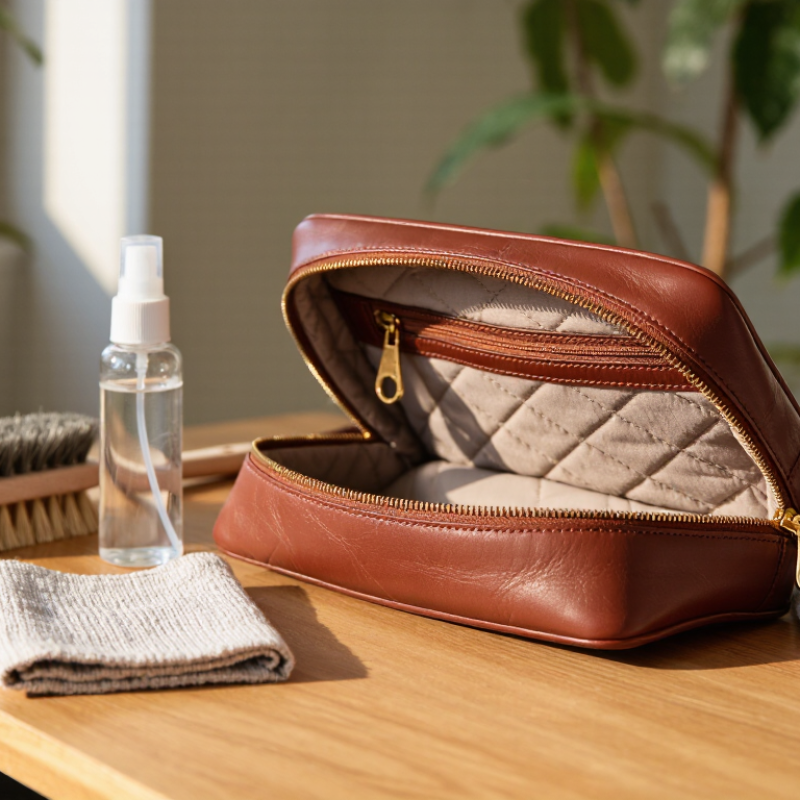
2026 Best Ways to Remove Odor from Second Hand Leather Purses?

Identify Odor Sources and Test Leather pH Under ISO 4045:2018

2026 Best Ways to Remove Odor from Second Hand Leather Purses

Odor removal starts with identifying the source, not masking it. Open every pocket and inspect the lining, seams, piping, and base. Smoke leaves a dry, bitter smell. Mildew often smells damp and earthy. Sweat may collect around handles and shoulder straps. Spilled perfume can remain trapped beneath the lining.

I place the purse in a shaded, ventilated room for 24 hours. I avoid direct sunlight, heaters, and heavy sprays. These can dry leather or create another odor. A clean cotton cloth can reveal oily residue around handles. I sometimes miss hidden lining damage, so a second inspection matters. Do not use vinegar or alcohol before testing.

ISO 4045:2018 describes chemical testing for leather pH. It uses a controlled aqueous extract and a calibrated pH meter, rather than household pH strips. A qualified technician normally prepares the leather sample, records the pH, and checks the difference between repeated measurements. This process can indicate acidic deterioration or unstable leather chemistry. It does not identify every odor source. Testing may require a tiny sample, which is unsuitable for valuable purses without professional approval. Ask for non-destructive inspection first. Results should be interpreted with the leather type, finish, age, and storage history. A low or inconsistent reading deserves caution. Aggressive deodorizing may worsen the material. I have learned that “fresh smelling” is not the same as chemically stable.

Air the Purse at 18–22°C and Maintain 45–55% Relative Humidity

Second-hand leather purses often hold odors from storage, smoke, perfume, or damp lining. I begin by removing every item, opening all pockets, and gently wiping dust with a dry, soft cloth. Then I air the purse at 18–22°C, away from direct sunlight and heaters. This temperature reduces stress from sudden heat. It also slows excessive moisture movement through the leather.

Keep relative humidity between 45–55%. This range is practical for home care and supports gradual drying without making leather brittle. The 2023 ASHRAE Handbook—HVAC Applications lists 30–55% relative humidity as a common preventive-conservation range for organic collections. The Canadian Conservation Institute also warns that leather reacts poorly to repeated humidity changes. A small digital hygrometer helps. Room conditions matter more than guesswork.

Air circulation should be gentle, not forceful. Place the open purse on a clean shelf for several hours, then check the lining and seams. Do not seal it in plastic. I sometimes repeat this process for three days. It is slower than using fragrance, but fragrance only hides the problem. My method is not perfect; old odors may remain in adhesive, padding, or untreated lining. If the smell becomes stronger, or visible spotting appears, stop handling it and seek advice from a qualified textile or leather conservator. Baebele

Remove Surface Residue with a pH-Neutral Leather Cleaner

A second-hand leather purse can carry years of surface residue: body oils, smoke particles, dust, and old conditioner. Remove that film before treating the odor itself. A pH-neutral leather cleaner is the safest starting point for most finished leather, because harsh alkaline soap may dry coatings and alter the color.

Use a soft, white cloth and apply only a small amount of cleaner. Test an unseen area first. Work in gentle circles, especially around handles, seams, and the pocket opening. Do not soak the leather. The U.S. Environmental Protection Agency reports that indoor volatile organic compound levels can be two to five times higher than outdoor levels. Fragranced sprays may hide odor while adding more volatile chemicals.

Professional leather-care guidance commonly recommends controlled moisture and slow drying. That matters with used purses. After cleaning, leave the bag open in a shaded, ventilated room for 24 to 48 hours. Avoid radiators and direct sunlight. A clean cotton cloth should lift residue without leaving lint. If the odor remains, repeat lightly rather than scrubbing harder. I once underestimated seam residue; the surface looked clean, but the lining still smelled stale. That mistake is easy to repeat. Clean the lining separately only when its material allows it, and check the care label before using any liquid.

Adsorb VOC-Based Odors with Activated Carbon, Not Fragrance Sprays

Second-hand leather purses can hold a sharp, enclosed odor from storage, smoke, dyes, or cleaning chemicals. Many of these smells come from volatile organic compounds, or VOCs. Fragrance sprays rarely remove them. They often add more airborne chemicals and only cover the odor temporarily. The U.S. Environmental Protection Agency identifies air fresheners as possible indoor VOC sources.

Activated carbon works differently. It adsorbs odor molecules onto a porous surface instead of releasing another scent. The EPA’s Residential Air Cleaners guidance states that gas-phase filters need activated carbon or similar media, and performance depends on carbon quantity, airflow, and contact time. More carbon usually performs better. A thin sachet may disappoint.

Open every pocket and remove paper, dust, and loose fabric items. Place the purse in a dry, shaded room with two or three activated-carbon pouches nearby. Do not press wet carbon directly against the leather. Leave it for 48 to 72 hours, then inspect the lining and handles. The EPA reports that indoor pollutant levels can be two to five times higher than outdoor levels, so ventilation still matters.

Avoid sealing the purse in plastic during treatment. That can trap moisture and worsen mildew. A practical mistake is expecting one treatment to solve years of absorbed odor. I would repeat the process carefully. If the smell returns quickly, professional leather cleaning may be safer than aggressive home products. Freshness is not proof of removal.

2026 Best Ways to Remove Odor from Second-Hand Leather Purses

Activated carbon is better suited to capturing airborne VOC-based odors, while fragrance sprays mainly mask odors and add more volatile compounds. Surface cleaning and ventilation support odor removal but work through different mechanisms.

Qualitative mechanism index from 0 to 5: higher values indicate a stronger role in that function, not a laboratory removal percentage.

Treat Mold or Persistent Odors Through Professional Leather Restoration

2026 Best Ways to Remove Odor from Second Hand Leather Purses?

A second-hand leather purse can carry years of absorbed odor. Smoke, damp storage, body oils, and mold may hide inside the lining or padding. Experienced restorers inspect the seams, pockets, hardware, and leather grain before choosing a treatment. The source matters.

Do not mask a musty smell with perfume. Avoid bleach, strong alcohol, and excessive water. These can dry the leather, loosen adhesives, or stain delicate finishes. Mold requires special care. A professional restoration workshop can isolate the purse, remove surface contamination safely, and use controlled drying methods. They may also treat the lining separately. Ventilation helps, but it cannot fix deep contamination.

Persistent odor needs patience.

Professional restorers often use low-moisture cleaning, odor-absorbing materials, and carefully selected leather conditioners. They check the purse again after drying because hidden moisture can reactivate the smell. A reputable specialist should explain the condition, proposed process, possible color changes, and expected limits before starting work. No honest restorer should promise perfect results every time.

It is easy to underestimate old odors. One treatment may not be enough. Over-cleaning can cause more damage than the original smell. If the leather feels tacky, cracks during handling, or shows spreading mold, stop home treatment and seek an assessment. Photographs help, but an in-person inspection remains more reliable.

2026 Best Ways to Remove Odor from Second Hand Leather Purses? – Treat Mold or Persistent Odors Through Professional Leather Restoration
Odor or Condition Recommended Method How to Apply It Safely Typical Treatment Time Expected Result Main Risks or Limitations When Professional Restoration Is Advisable
Light musty smell with no visible mold Air circulation and gentle drying Empty the purse, open all compartments, and place it in a shaded, dry, well-ventilated room. Keep it away from radiators, hair dryers, and direct sunlight. 24–72 hours Often effective for mild storage odors Heat and strong sunlight can dry, fade, or distort leather. If the smell returns soon after airing or remains strong after several days.
General stale odor from storage Surface cleaning with a leather-appropriate cleaner Test the cleaner on a hidden area first. Apply a small amount to a soft cloth rather than soaking the leather, then wipe gently and allow the purse to dry naturally. 1 cleaning session plus 24 hours of drying May reduce surface-level odor and dirt Water, alkaline cleaners, and household detergents may stain or weaken leather finishes. When the leather is suede, nubuck, unfinished, heavily stained, or visibly damaged.
Odor concentrated inside the lining Interior cleaning and controlled deodorization Remove loose debris with a soft brush or low-suction vacuum. Clean the lining only with a method compatible with its material, keeping moisture away from leather structure and metal fittings. 24–48 hours Useful when the lining is the primary odor source Some linings bleed, shrink, delaminate, or develop water marks when wet. If the lining is glued, peeling, stained by unknown substances, or still smells after cleaning.
Persistent odor without visible mold Activated charcoal or odor-absorbing material Place an odor absorber inside a breathable pouch or container within the purse. Do not allow loose powder or granules to contact leather or lining. 3–7 days, with replacement if needed Can gradually reduce trapped odors in enclosed spaces It masks neither the original contamination nor moisture damage; loose material can stain interiors. If several cycles produce little improvement or the odor is chemical, oily, or smoke-related.
Visible surface mold or mildew Isolation followed by professional mold treatment Keep the purse away from other leather goods and textiles. Avoid brushing mold indoors, saturating the item, or using bleach, ammonia, or household disinfectants. Professional assessment required Professional treatment is safer than home experimentation Mold can spread through spores; aggressive cleaning may permanently damage color, finish, lining, and adhesives. As soon as visible mold, fuzzy growth, recurring spotting, or a strong mold odor is present.
White, green, or black spotting with a damp smell Moisture-source inspection and restoration Stop using the purse until its storage environment is corrected. Check for damp closets, wet packaging, leaks, or prolonged high humidity. Assessment and drying time vary Treating moisture is essential to prevent recurrence Cleaning alone may fail if the leather, padding, or lining remains damp. When the item has been stored in a damp area or odor returns after drying.
Smoke, perfume, or strong chemical odor Professional deep deodorization Ventilate the item first and avoid adding fragrance, vinegar, alcohol, or essential oils, which may interact with dyes and finishes. Several days to multiple treatment stages Results depend on how deeply the odor penetrated Fragrances usually cover odors temporarily and may leave additional residue. If the smell persists after airing and safe surface cleaning, especially in padded or lined areas.
Suede or nubuck with odor Specialist suede or nubuck cleaning Use only a method designed for the specific nap and finish. Avoid creams, oils, excess water, and ordinary smooth-leather conditioners. Assessment required Special handling helps preserve texture and color Incorrect products can flatten the nap, create dark patches, or permanently alter the surface. For any visible mold, deep odor, staining, or uncertainty about the leather type.
Odor after a spill or unknown liquid Controlled drying and contamination assessment Blot surface moisture with a clean absorbent cloth without rubbing. Keep the purse open and allow gradual drying in a ventilated area. 24–72 hours before reassessment May help with minor, recent spills Rubbing spreads stains; rapid heat drying can cause shrinkage, stiffness, or cracking. If the spill was oily, biological, strongly colored, or absorbed into padding and seams.
Odor accompanied by cracking, sticky finish, or color transfer Full leather condition assessment Do not apply conditioner, oil, alcohol, or water until the finish and leather type have been identified. Assessment required Diagnosis is more important than deodorizing alone Additional products may worsen finish breakdown or make restoration more difficult. Promptly, because finish failure and odor may indicate degradation beneath the surface.
Odor repeatedly returning after home treatment Professional leather restoration and source removal Provide the restorer with information about storage conditions, previous cleaners, spills, mold exposure, and the length of time the odor has been present. Varies by construction and contamination Best option for deeply absorbed or recurring odors Some odors cannot be completely removed if they have penetrated padding, adhesives, or lining materials. When two or more safe home methods fail or the odor returns within days.
Safety note: Before using any cleaner or deodorizer, identify whether the purse is smooth leather, suede, nubuck, coated leather, or synthetic material and test a hidden area. Never mix cleaning chemicals, and keep mold-affected items isolated until they have been assessed.

FAQS

How should I identify the odor source inside a second-hand leather purse?

Open every pocket and inspect the lining, seams, piping, handles, and base. Smoke smells dry and bitter. Mildew often smells damp and earthy. Perfume may hide beneath the lining. I sometimes miss hidden damage, so I inspect the purse twice.

How long should a leather purse be aired?

Place it open in a shaded, ventilated room for 24 hours. Keep the temperature near 18–22°C. Avoid heaters and direct sunlight. Some odors need three days. Slow progress is still progress.

What humidity level is suitable during odor removal?

Maintain relative humidity around 45–55% with a small digital hygrometer. Stable humidity helps reduce brittleness and sudden moisture movement. Do not rely on guesswork alone.

Should I use vinegar, alcohol, or fragrance sprays first?

No. Avoid vinegar, alcohol, and heavy fragrance sprays before inspection. They may dry the leather or add another strong odor. Fresh-smelling does not mean chemically stable.

How can I remove surface residue from finished leather?

Use a small amount of pH-neutral leather cleaner on a soft, white cloth. Test an unseen area first. Work gently around handles, seams, and pocket openings. Do not soak the leather.

How should I clean the purse lining?

Check whether the lining material allows liquid cleaning. Read its care instructions first. Clean the lining separately, using minimal moisture when appropriate. I once cleaned the exterior perfectly, but the stale smell remained inside.

Can pH testing explain the purse’s odor?

Standardized leather pH testing can indicate acidic deterioration or unstable leather chemistry. A qualified technician uses a controlled extract and calibrated meter. Household strips are less reliable. The test does not identify every odor source.

When should I stop treating the purse at home?

Stop if the odor becomes stronger, spotting appears, or the leather changes color. Avoid aggressive deodorizing when the pH reading is low or inconsistent. Request non-destructive inspection before any sampling. Professional advice may prevent permanent damage.

Conclusion

Learning how to remove odor from a second hand leather purse starts with identifying the source, such as smoke, moisture, storage residue, or mold. Before applying any treatment, test the leather carefully, including its pH when appropriate, with reference to ISO 4045:2018 principles. Air the purse in a clean, shaded space at 18–22°C with relative humidity around 45–55%, allowing odors to dissipate without exposing the leather to heat or direct sunlight.

Next, remove surface residue with a pH-neutral leather cleaner and a soft cloth, testing first on a hidden area. For odors caused by volatile compounds, place activated carbon near the purse in a ventilated container rather than using fragrance sprays, which may create new residues or damage the finish. If mold, deep contamination, or persistent odor remains, consult a professional leather restoration specialist for careful assessment and treatment.

Mason

Mason

Mason is a seasoned marketing professional with a deep expertise in the company's offerings and a passion for driving brand awareness. With a strong background in digital marketing strategies, he has an innate ability to connect with diverse audiences and effectively communicate product benefits.......