How to Pack a Duffle Bag for a Weekend Trip in 2026?

Time:2026-11-02 Author:Sienna
0%

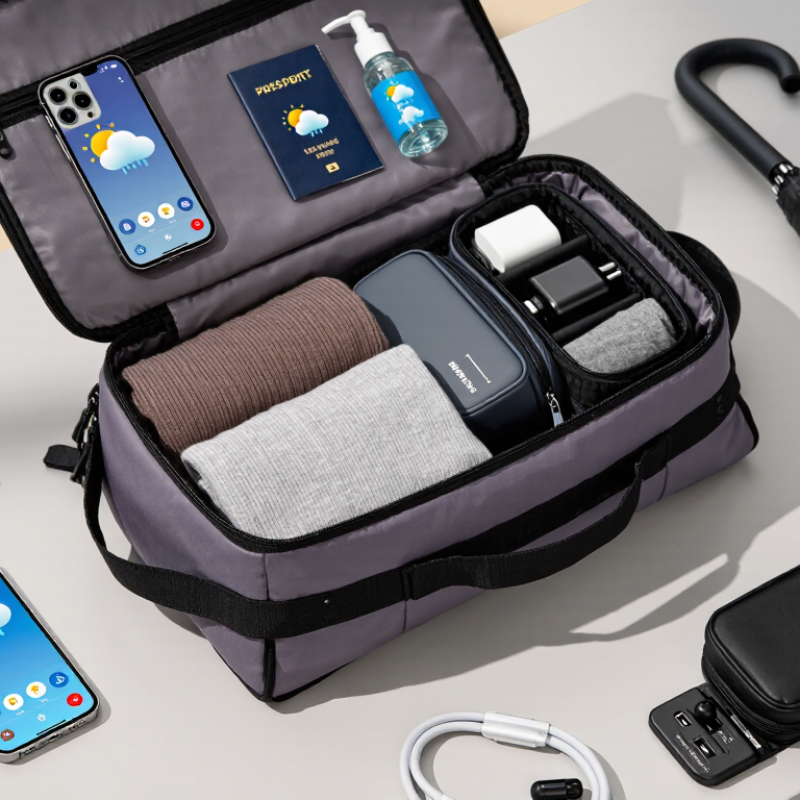
A weekend duffle works best when every item has a clear purpose. Learning how to pack a duffle bag for a weekend trip means balancing comfort, access, and limited space. Picture a clean shirt rolled beside a small toiletry pouch, with tomorrow’s socks easy to reach. The goal is not to fill every corner. It is to avoid carrying things you never use.

Travel rules and passenger expectations can change, so check your airline’s current cabin-bag limits before you leave. IATA’s 2024 Global Passenger Survey gathered responses from more than 10,000 travelers across 200 countries and territories. It examines how passengers experience air travel; it does not prescribe a packing method. Still, it is a useful reminder that smoother trips start with practical preparation. A bag that fits your route matters more than a clever folding trick.

Rick Steves, a travel writer known for advocating light packing, offers a useful rule: “Pack light. You’ll be happier.” Apply it with care: choose two outfits that can mix, add one warmer layer, and keep essentials near the opening. A quick test helps: lift the packed bag and remove anything that feels like a “just in case” item without a clear use. Even a good checklist can miss a weather shift. Check the forecast again the night before, then adjust.
How to Pack a Duffle Bag for a Weekend Trip in 2026?

Choose a Two-Night Capsule: Two Outfits, Sleepwear, and One Spare Layer

How to Pack a Duffle Bag for a Weekend Trip in 2026?

For a two-night weekend, build a small capsule around the weather and your plans. Wear your bulkiest shoes and travel-day clothes, then pack two complete outfits. Choose pieces that share colors and work in more than one combination. A dark pair of trousers, a light shirt, and a second top can cover dinner and daytime walks. Add sleepwear and one spare layer, such as a thin sweater for chilly rooms or evening strolls.

Place the spare layer near the top of your duffle, where you can reach it without unpacking everything. Roll softer clothes, but fold anything that creases easily. Keep underwear and socks together in a small pouch. I sometimes pack a third “just in case” shirt, then bring it home unworn; that habit wastes space. Check the forecast before leaving, and swap a capsule piece if rain or a temperature drop is likely. Leave a little room for laundry or an item you pick up along the way.

Tips: Lay both outfits out before packing. If a piece matches neither, leave it behind. Put toiletries in a leak-resistant pouch, and keep sleepwear easy to reach.

Two-Night Duffle Capsule: What to Pack

A simple packing count for a weekend trip: two outfits, one sleepwear set, and one spare layer.

Each outfit is planned as one top and one bottom. The counts also include one two-piece sleepwear set, one spare layer, two pairs of underwear, and two pairs of socks.

Select a Duffel Within IATA’s Cabin Guideline: 56 × 45 × 25 cm

Choose a duffel that stays within 56 × 45 × 25 cm when fully packed. IATA’s published cabin-baggage guidance gives these dimensions as a reference maximum, including handles, pockets, and wheels. It is not a guarantee of cabin acceptance. Airlines may set smaller limits, so check the operating carrier’s current rules before departure.

Measure the bag after packing, not while it is empty. Soft sides still count. A bulging end can push the duffel beyond the limit, even if its listed dimensions look right. Place heavier items near the base, then fill gaps with socks or a rolled shirt. Keep the outer pockets slim; they can add more width than expected. A tape measure helps, but I still find it easy to underestimate how much a weekend outfit expands a soft bag.

Leave a little room rather than forcing the zipper shut. That gives the bag a better chance of fitting a sizing frame and makes it easier to lift into an overhead compartment. The IATA figure is a useful planning benchmark, not a universal rule. Aircraft and fare conditions can differ, so verify the exact allowance for your flight.

Place Heavy Items Low and Centered to Stabilize the Load

Pack dense items low in the duffle and close to its centerline: shoes, a toiletry pouch, or a compact charger can form a stable base. Place them near the end that rests beside your hip, not all at one end. That keeps the bag from swinging like a pendulum when you walk. Fill gaps with soft clothing so items cannot roll. Keep lighter layers near the top, where they are easy to reach. A quick test helps: lift the bag a few inches and check whether it tips or pulls sharply to one side. Adjust before adding more.

This is also a lifting issue, not just a packing preference. NIOSH’s Revised Lifting Equation uses 51 pounds as a starting load constant under ideal lifting conditions; reach, twisting, and repetition reduce the recommended weight. That figure is not a safe-weight allowance for every traveler or duffle. Keep the bag close to your body when lifting, and avoid twisting while it is raised. I still sometimes pack a heavy book near the zipper for convenience; it makes the bag feel lopsided, and I end up rearranging it at the door. Leave frequently used items accessible, but keep the densest objects low and centered. A little imperfect balance can be hard to notice until the walk starts.

How to Pack a Duffle Bag for a Weekend Trip in 2026? — Place Heavy Items Low and Centered to Stabilize the Load

Packing Item Approximate Weight Recommended Position Packing Tip
Shoes in a shoe bag 0.8–1.2 kg per pair At the bottom, near the center Use the shoes as a stable base; place them heel-to-toe to reduce wasted space.
Toiletry kit 0.4–0.8 kg Low and centered, beside the shoes Seal liquids in a separate waterproof pouch and keep the kit upright where possible.
Jeans or heavier trousers 0.5–0.8 kg per pair Low in the main compartment Fold or roll around smaller soft items to fill gaps and limit shifting.
Shirts and lightweight tops 0.15–0.3 kg each Above and around heavier items Roll or fold them in compact bundles; keep one change of clothes easy to reach.
Underwear and socks 0.1–0.25 kg total In small gaps or an upper packing cube Use them to cushion items and prevent loose objects from moving around.
Light jacket or sweater 0.4–0.8 kg Near the top of the main compartment Keep it accessible for changing weather or cool evenings.
Book or compact electronics 0.2–0.8 kg Close to the center, cushioned by clothing Use a protective sleeve and avoid placing rigid items against the bag’s outer wall.
Travel documents and small essentials Usually under 0.3 kg In an accessible pocket Keep frequently needed items separate from the main compartment for quick access.

Weight figures are approximate and vary by item, size, and material. Keep the heaviest items low and near the center, distribute weight evenly from side to side, and secure loose contents before carrying the bag.

Pack Liquids Under TSA’s 3-1-1 Rule: 100 mL, One Quart-Sized Bag

Before placing toiletries in a weekend duffle, check each container’s capacity. TSA’s 3-1-1 rule allows liquids, gels, creams, and pastes in containers of 100 mL (3.4 ounces) or less. All containers must fit inside one clear, quart-sized bag, with one bag per passenger. A half-empty 150 mL bottle still exceeds the limit. Keep the bag near the duffle’s opening so it is easy to remove at screening.

Tips: Use travel-size containers for shampoo, moisturizer, and toothpaste. Seal them in a small reusable pouch before putting them in the clear bag. Leave a little space; tightly packed bags can be hard to close. IATA’s 2024 Global Passenger Survey gathered responses from 10,000 travelers across 200 countries and territories, underscoring the broad scale of air travel. Smooth preparation matters.

I tend to pack one extra toiletry “just in case,” then struggle to fit the bag. Choose only what you expect to use for two nights, and check the current TSA guidance before departure. Rules and screening procedures can change. Keep essential liquids together, not scattered between pockets, and avoid packing the quart bag beneath shoes or chargers. That small choice saves rummaging at the checkpoint.

Keep Documents and Medication Accessible; Recheck Airline Limits

Before packing your duffle, place your travel documents and essential medication in a small pouch near the top. Keep it reachable without unpacking clothes at a crowded check-in counter. A passport, booking details, and emergency contact information are easier to find when they stay together. Keep medication in its original labeled packaging when practical, and bring enough for the trip plus a small delay buffer. Check storage instructions; some medicines need special temperature care. Small details matter.

Tips: Put the pouch in an outer pocket you can close securely. Keep medication in your personal item, not buried beneath shoes or spare layers. If you use daily prescriptions, make a simple dose list. It may feel repetitive, but tired packing often misses things.

Recheck your airline’s current baggage limits before you leave, including size and weight rules for carry-on bags. Policies can differ by route or ticket, and a soft duffle may bulge beyond its listed dimensions when full. Measure it packed, not empty. I would leave a little space rather than force the zipper shut; that is an easy detail to overlook. Keep anything you may need during the journey accessible, and avoid placing documents beside toiletries that could leak.

FAQS

What size should a weekend duffel be for cabin travel?

A useful reference is 56 × 45 × 25 cm, including handles and pockets. Check your airline’s current limit, since it may be smaller.

Should I measure the duffel before or after packing?

Measure it when fully packed. Soft sides can bulge, and outer pockets add width. Leave a little room.

How can I stop the duffel from feeling lopsided?

Place shoes and other dense items low and near the center. Fill gaps with socks or a rolled shirt. I still sometimes miss a heavy item near the zipper.

Where should frequently used items go?

Keep lighter layers and essentials near the top. Put dense objects low, but avoid burying small items beneath chargers or shoes.

How can I check whether the packed bag is balanced?

Lift it a few inches and notice whether it tips or pulls sideways. Adjust the load before walking. Small shifts matter.

How should I lift a heavy duffel?

Keep it close to your body and avoid twisting while lifting. A dense bag can feel manageable at first, then pull sharply on one side.

What size liquid containers should I pack for screening?

Use containers holding no more than 100 mL each. Place them together in one clear, quart-sized bag, and check current screening guidance.

How can I make toiletries easier to remove?

Keep the clear bag near the duffel’s opening. Seal small bottles in a reusable pouch first. Don’t pack it beneath shoes.

Conclusion

Planning how to pack a duffle bag for a weekend trip starts with choosing a compact two-night capsule: two outfits, sleepwear, and one spare layer that can work with multiple pieces. Select a duffle that fits the commonly referenced cabin-size guideline of 56 × 45 × 25 cm, but check your airline’s current limits before leaving, since baggage rules can vary.

Pack heavier items low and near the center to help keep the bag balanced, then use lighter clothing to fill gaps. Place toiletries in a clear, quart-sized bag and follow the TSA 3-1-1 liquid rule: containers should hold no more than 100 mL each. Keep travel documents and any needed medication easy to reach, rather than buried beneath clothing. Before heading to the airport, recheck your airline’s size and weight restrictions and make sure the bag is comfortable to carry.

Sienna

Sienna

Sienna is a skilled marketing professional with a deep expertise in our company’s core products and services. With a passion for innovation and detail, she plays a pivotal role in crafting insightful blog posts that not only highlight the unique features of our offerings but also provide valuable......