Why Do Designer Handbags Retain Their Value Over Time?

Time:2026-07-10 Author:Oliver
0%

Why do designer handbags hold their value? This question intrigues both fashion enthusiasts and investors. According to Samantha Jameson, a renowned luxury goods expert, “The allure of designer handbags lies in their craftsmanship and timeless appeal.” This statement highlights the significant factors contributing to their lasting worth.

Many people wonder what makes these bags retain value over time. Limited availability sets several designer handbags apart. Scarcity often drives demand, making them coveted pieces in any collection. Additionally, the materials used in these handbags enhance durability and longevity. Well-crafted leather can last for years, even decades.

Emotional connections can also play a role. Buyers often associate these handbags with unique experiences or memories. This emotional investment may create a sense of attachment. However, it’s crucial to remember that not all designer bags appreciate in value. Market trends can shift, leaving some pieces vulnerable to depreciation. Ultimately, understanding why do designer handbags hold their value involves considering both tangible and intangible elements.
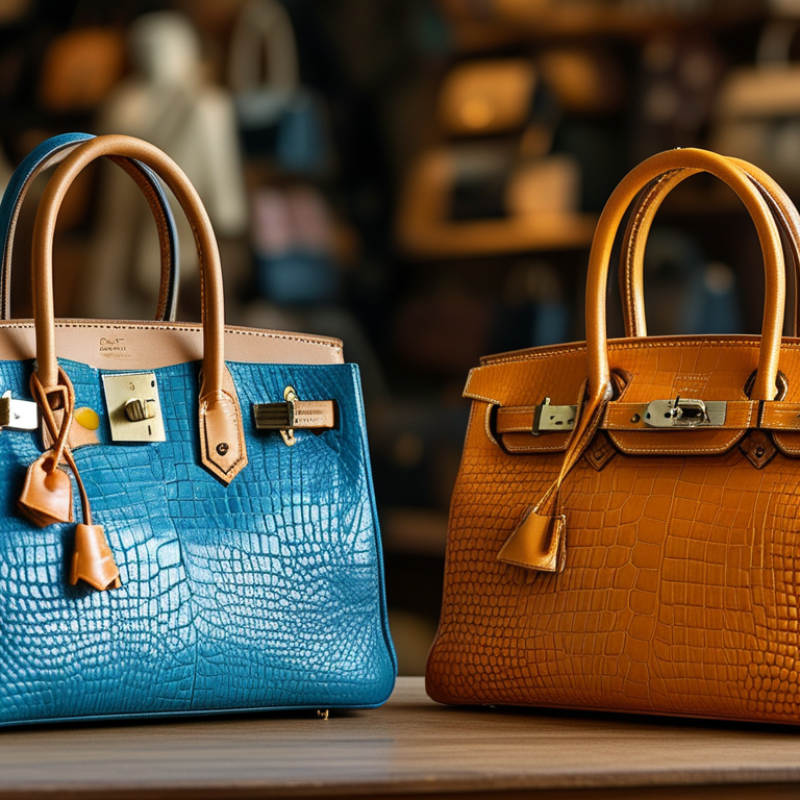
Why Do Designer Handbags Retain Their Value Over Time?

Factors Contributing to the Value Retention of Designer Handbags

Designer handbags have proven to be a wise investment over the years, with their value stability often surprising collectors. A report by Hiscox reveals that the value of luxury handbags has increased by an impressive 20% annually. This figure highlights how certain factors contribute significantly to their enduring appeal.

One key element is brand heritage. Bags connected to historic craftsmanship and exclusive releases often attract a loyal customer base. Scarcity also plays a crucial role. Limited-edition pieces, for example, generally appreciate in value due to their rarity. Additionally, the resale market has flourished; platforms specializing in authenticated luxury items have made it easier for consumers to buy and resell handbags securely. This growing market built on trust supports ongoing valuation.

However, not all designer handbags maintain their worth equally. Trends can shift dramatically; what is coveted today may not hold the same allure tomorrow. Furthermore, the condition of the bag is vital. Well-maintained items yield better returns, while damaged ones fall flat. This aspect invites critical reflection on how careful ownership impacts value retention. Investing in quality is essential, yet requires caution and research.

Factors Contributing to the Value Retention of Designer Handbags

This chart illustrates the various factors influencing the long-term value retention of designer handbags, showcasing their impact on market demand and resale prices.

The Role of Brand Reputation in Designer Handbag Value

The value of designer handbags heavily relies on brand reputation. This reputation is shaped by history, quality, and exclusivity. Brands that have established themselves over the years often command higher prices. Consumers trust these brands for their craftsmanship and distinctive designs. This trust directly impacts the handbag’s resale value.

Luxury items that are scarce tend to perform better in the resale market. The perception of exclusivity drives demand. In some cases, bags from less-known brands may struggle to retain value. Buyers are often cautious about brands without a solid reputation. It's essential to consider how a brand's history influences your investment.

Tips for maintaining handbag value:

1. Keep original packaging. The box and dust bag matter.
2. Store bags properly. Use a cool, dry place to avoid damage.
3. Avoid overexposure to sunlight. This can fade colors over time.

Collecting designer handbags can be fulfilling and profitable. Yet, not all handbags will hold their value. Market trends can shift. Some bags may not meet expectations. Being mindful of brand reputation is crucial in this investment journey.

Materials and Craftsmanship: Key Elements in Handbag Longevity

Designer handbags often attract attention for their ability to maintain value. The materials used in crafting these bags play a significant role. High-quality leather, for instance, ages beautifully. It develops a unique patina over time. This aging adds character and depth to the handbag, making it more desirable.

Craftsmanship is equally important. Skilled artisans meticulously construct each piece. Intricate stitching and attention to detail ensure durability. A well-made bag withstands daily wear. You may notice minor imperfections, yet these often highlight the handmade nature. Each small flaw can tell a story. These stories attract collectors and fashion enthusiasts alike.

The combination of quality materials and expert craftsmanship is a winning formula. This harmony creates bags that transcend trends. They become timeless pieces cherished for years. Buyers often appreciate the long-term investment. A handbag that retains its charm is worth considering. The essence of these bags lies in their meticulously crafted design and lasting appeal.

Consumer Demand and Trends Influencing Designer Handbag Prices

Designer handbags have consistently attracted consumers, creating a dynamic market driven by trends and demand. The allure of these items is not just about luxury; it also ties to personal identity and social status. Consumers often see these handbags as investment pieces. A well-chosen bag can appreciate in value, leading to increased desirability. This demand stems from various factors, including fashion cycles and celebrity influence, which regularly refresh the market.

Current trends show that vintage and limited-edition pieces hold their value exceptionally well. Collectors are eager for unique designs that reflect personal style and rarity. This enthusiasm can sometimes lead to inflated prices. However, it's crucial to understand that not every designer handbag will appreciate in value. Factors such as condition, market saturation, and consumer interest will impact long-term value. While the prospect of profit may seem enticing, it requires careful research and insight into market trends. Discerning buyers often seek information to make informed decisions, reflecting their knowledge and passion for the handbag culture.

Why Do Designer Handbags Retain Their Value Over Time? - Consumer Demand and Trends Influencing Designer Handbag Prices

Handbag Category Average Initial Price ($) Average Resale Price ($) Retention Percentage (%) Year of Popularity
Luxury Classic 2000 1500 75 2005
Trendy Limited Edition 3000 2500 83.33 2018
Everyday Carry 800 600 75 2019
Investment Icon 5000 4000 80 2020
Fashion Collaboration 1200 900 75 2021

The Impact of Limited Editions and Exclusivity on Handbag Value

Designer handbags are often seen as investment pieces. Limited editions and exclusivity play a crucial role in this phenomenon. According to a recent report by The Luxury Institute, limited-edition handbags appreciate in value by 70% over five years. This trend is primarily driven by the principles of supply and demand. When brands release a limited number of bags, they create urgency and heightened interest among consumers. Scarcity generates a sense of desirability, which enhances value.

Moreover, the association with exclusivity often signals prestige and status. A study by Bain & Company reveals that luxury brands perform better in resale value when they maintain a limited distribution strategy. Consumers view these handbags not just as fashion items but as status symbols. However, this can lead to a paradox; not every limited piece retains its worth. Market volatility can affect even the most sought-after items. It's essential for collectors to research, as perceived value doesn’t always equate to actual resale potential.

In the ever-evolving luxury market, the dynamics of exclusivity and limited editions must be approached with caution. While the allure is strong, potential buyers need to reflect on their choices. The value can fluctuate, and not all handbags will yield profit. Understanding the market and being informed plays a crucial role in making wise investment decisions in this unique field.

FAQS

: What factors contribute to the value retention of designer handbags?

: Brand heritage, scarcity, and the resale market are significant factors that enhance their value.

How does brand heritage influence handbag value?

Bags linked to historic craftsmanship attract loyal customers and maintain their worth better over time.

Why do limited editions appreciate in value?

Scarcity generates demand, making limited-edition handbags sought-after and valuable in the resale market.

What role does the condition of a handbag play in its value?

Well-maintained handbags yield better returns. Damage can significantly decrease value and desirability.

How do materials affect a designer handbag's longevity?

High-quality leather ages beautifully, adding character and depth that make the bags more appealing over time.

Why is craftsmanship important for designer handbags?

Expert craftsmanship ensures durability, and minor imperfections can tell unique stories that attract collectors.

How does exclusivity impact a handbag's resale value?

Exclusive handbags are often seen as prestige items, which can enhance their resale value but also lead to volatility.

Can market trends influence the desirability of handbags?

Yes, trends can shift rapidly, and what’s popular today may not hold value tomorrow. Research is essential.

Should buyers reflect on their purchase decisions?

Absolutely. The allure of exclusivity may not always translate to value retention. Careful consideration is needed.

How can collectors ensure wise investment decisions?

Understanding market dynamics and researching bags before purchase can help mitigate risks of fluctuating values.

Conclusion

Designer handbags are renowned for their ability to retain value over time, raising the question: why do designer handbags hold their value? Several key factors contribute to this phenomenon. Firstly, brand reputation plays a pivotal role, as established luxury brands often command a loyal customer base that values their heritage and exclusivity. This reputation creates a strong resale market where demand remains high.

Moreover, the materials and craftsmanship involved in creating these handbags are of superior quality, ensuring durability that appeals to consumers looking for long-lasting products. Consumer demand and prevailing fashion trends also influence handbag prices, as styles that remain in vogue can boost desirability. Finally, limited edition releases and a sense of exclusivity significantly enhance the perceived value of certain handbags, making them coveted items among collectors. Collectively, these elements explain why designer handbags continue to be seen as valuable investments over time.

Oliver

Oliver

Oliver is a seasoned marketing professional with a wealth of expertise in driving brand awareness and engagement. With a deep understanding of our company's product offerings, he consistently delivers high-quality content that enriches our professional blog. His insights not only shed light on......