Choosing the right waterproof laptop backpack can be a daunting task. With so many options available, it's crucial to know what to look for when buying a waterproof laptop backpack. You need a bag that balances functionality and style.
Consider the material used in the backpack. High-quality, waterproof fabrics can ensure your laptop stays dry in tough weather. Additionally, check the design. A well-structured backpack distributes weight evenly, reducing strain on your back.
Another aspect to think about is the size. It should fit your laptop snugly without being too loose. Pockets and compartments are also important. They help organize your gear effectively. A good waterproof backpack should suit your daily activities while keeping your essentials secure. Reflect on your needs. Make sure the bag fits your lifestyle. Remember, the perfect backpack is one that meets your expectations and has room for improvements.
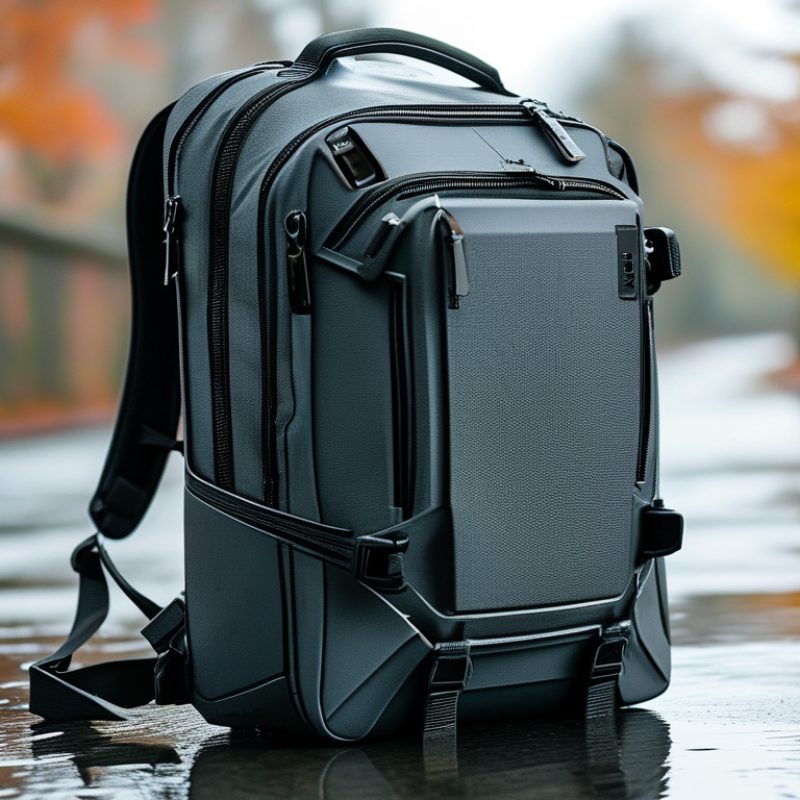
When choosing a waterproof laptop backpack, understanding IP ratings is crucial. IP stands for Ingress Protection, which indicates how well a backpack can resist water and dust. Ratings like IPX4 suggest water resistance against splashing from any direction. According to a 2022 report from the International Electrotechnical Commission, higher ratings like IPX7 can withstand immersion in water up to 1 meter for 30 minutes. Knowing these ratings helps in making an informed choice.
A backpack may look waterproof but can fail under heavy rain. Not all materials are created equal. For instance, nylon and polyester are common fabrics, but their waterproof coatings matter. A backpack with a good coating can mean the difference between dry electronics and water-damaged gear.
Tip: Always check user reviews. Many users share real-world experiences that reveal how effective a backpack's waterproofing truly is. Additionally, consider your specific needs. Do you hike in heavy rain? Or commute in light drizzle? This might affect your choice of rating. The goal is to find a balance between waterproof capability and daily usability.
Choosing the right waterproof laptop backpack involves understanding materials. Different fabrics offer various levels of durability and flexibility. Common waterproof materials include nylon, polyester, and PVC. Nylon is lightweight and resistant to abrasion, making it a popular choice. Polyester, on the other hand, is strong and more resistant to color fading. PVC is often used for its complete waterproofing capabilities.
Reports indicate that 80% of outdoor enthusiasts prioritize waterproof capabilities when selecting gear. This statistic underscores the importance of choosing the right material. However, while these fabrics provide protection, they can also vary in breathability. A waterproof backpack made from non-breathable materials may lead to discomfort during prolonged use.
Tip: Always check the Denier rating of nylon or polyester. A higher Denier number indicates a stronger fabric. Additionally, consider the backpack’s seam construction. Taped seams can improve water resistance. Flexibility is another key element. A more flexible material allows for easier packing but may sacrifice durability. Finding the right balance is crucial for long-term use.
This chart compares the durability scores of various common waterproof fabrics used in laptop backpacks. Fabrics like GORE-TEX stand out for their high durability, while Nylon and Polyester provide a good balance of durability and flexibility.
When choosing a waterproof laptop backpack, capacity and size are crucial factors. You need to assess your daily needs. Will you carry just a laptop, or will there be extra gear? A good rule of thumb is to opt for a backpack that offers at least 15-20 liters of space for essentials. This helps ensure your gear fits without being too cramped.
Tip: Measure your laptop before shopping. This helps you find a backpack that accommodates its dimensions. A snug, secure fit minimizes movement and potential damage. Also, consider the additional compartments for accessories like chargers and cables. These can help keep your backpack organized, but they can also add bulk.
Think about the weight distribution of your backpack. A larger size may not be comfortable if it becomes too heavy. Look for adjustable straps and padding. Your comfort is essential, especially if you carry it for long periods. Remember, functionality should not compromise style. Finding the right balance can be challenging. But, thoughtful considerations will lead you to a better choice.
When selecting a waterproof laptop backpack, ergonomics and comfort are critical. The right straps and padding can significantly impact your daily experience. Padded shoulder straps distribute weight evenly across your shoulders. This feature reduces strain during long commutes. Back panels with breathable fabric can also enhance comfort, keeping you cool.
Consider the padding thickness. Too much can be bulky, while too little may offer insufficient support. Adjustable straps allow you to customize the fit. A snug fit prevents your backpack from bouncing as you walk. This attention to comfort is essential; discomfort can deter you from using your bag frequently.
Remember, not every design will suit everyone. Some users prefer a sleek backpack, while others might find bulky variants more comfortable. Testing different options helps you identify what works best for your needs. It's a personal journey, and your choice should reflect your lifestyle. Straps and padding may seem minor, yet they play a vital role in your overall satisfaction with a backpack.
Choosing a waterproof laptop backpack requires careful consideration of both cost and quality. While budget is essential, investing in a durable backpack can save money over time. Cheaper options may seem attractive, but they often compromise on waterproof materials and construction quality. A low-cost backpack might protect against light rain, but heavy downpours can ruin your devices.
Quality waterproof backpacks often come with features like sealed seams and high-grade zippers. These details increase the bag's overall price but enhance its reliability. A well-constructed backpack will outperform inferior models in extreme conditions. If you frequently travel or work outdoors, higher upfront costs could prove worth it.
Reflect on your usage habits. Are you a casual user or a frequent traveler? If you’re often in wet environments, opt for robust options. You might spend more initially, but the longevity and protection provided could make it a smarter investment. Remember, the best backpack isn't always the cheapest. Balancing cost and quality is crucial for ensuring your devices remain safe and dry.
: IP stands for Ingress Protection, indicating resistance to water and dust.
An IPX4 rating suggests resistance to water splashing from all directions.
Yes, a backpack may seem waterproof but might fail in heavy rain conditions.
The quality of waterproof coatings on materials affects how well a backpack protects its contents.
Checking user reviews can provide insights into real-world waterproofing performance.
Look for padded straps and breathable back panels, which enhance comfort and support.
Adjustable straps allow for a custom fit, decreasing bounce during movement.
Yes, some prefer thicker padding for support, while others find it bulky.
Personal comfort varies; test different styles to find what suits your lifestyle best.
Yes, if a backpack is uncomfortable, you're less likely to use it regularly.
When considering what to look for when buying a waterproof laptop backpack, it is essential to understand various aspects that contribute to its effectiveness. Start by examining waterproof ratings, particularly IP ratings, which indicate the level of water resistance the backpack offers. The choice of material is equally important; certain waterproof fabrics provide better durability and flexibility, so comparing these options can help you find the right balance for your needs.
Additionally, think about the size and capacity of the backpack. Ensure it can accommodate your laptop and other essentials comfortably. Ergonomics and comfort should also be prioritized, as proper straps and padding can significantly enhance the carrying experience, especially during long treks. Finally, consider your budget by analyzing the relationship between cost and quality, ensuring you invest in a backpack that meets your requirements without compromising on functionality.
