China Best Bags What is the Ideal Size for Personal Items on Flights?

Time:2026-07-25 Author:Sophia
0%

When preparing for air travel, understanding what is the best bag size for a personal item on flights is crucial. Airline regulations often dictate specific dimensions for personal items, leading to confusion among travelers. According to a recent survey by the International Air Transport Association (IATA), 62% of travelers overpack and struggle with bag sizes.

Many airlines allow personal items up to 18 x 14 x 8 inches. However, these dimensions often vary. Each airline has its own policy, which can add to the difficulty of packing. Travelers frequently risk delays at security checks due to improperly sized bags. It’s necessary to check the specific requirements for your airline beforehand to avoid unnecessary stress.

Furthermore, choosing the correct bag size ensures added convenience while navigating through busy airports. A well-sized personal item fits under the seat and allows easy access during flights. Consideration of size impacts not only packing but overall travel experience. Ultimately, ensuring the right dimensions leads to greater satisfaction and a smoother journey.
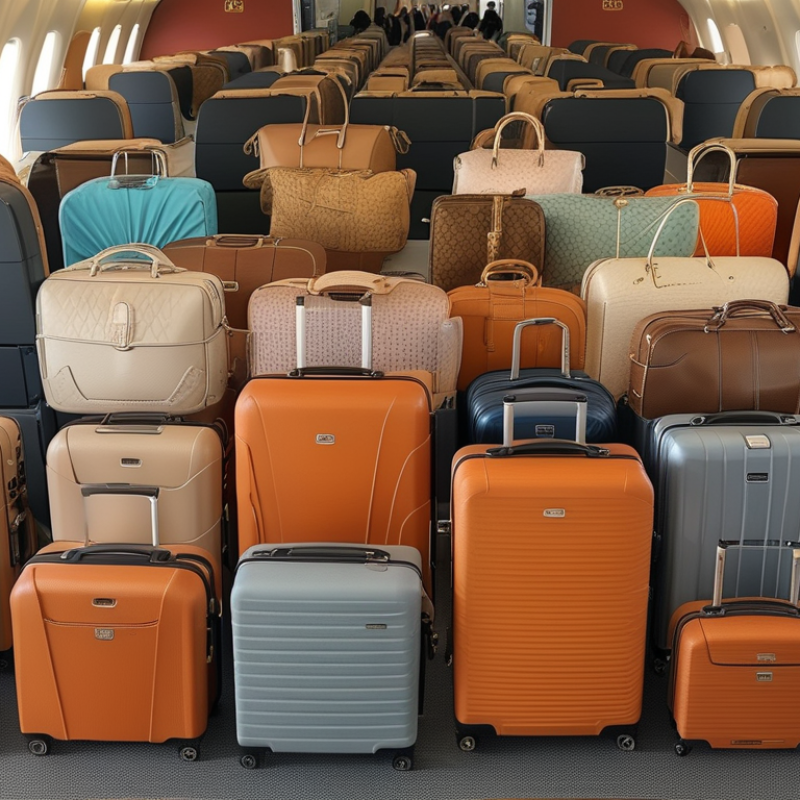
China Best Bags What is the Ideal Size for Personal Items on Flights?

What Defines Personal Item Size Limits on Airlines?

When considering personal item size limits on flights, it's crucial to understand what defines these restrictions. Airlines typically allow personal items to be smaller than 18 x 14 x 8 inches. However, this can vary slightly among carriers. A report by the International Air Transport Association (IATA) indicates that compliance with these limits is essential to maintain cabin space and efficiency.

Airlines enforce these sizes for various reasons. A personal item must fit under the seat in front of you. It should hold essentials like a laptop, books, or a jacket. Many travelers struggle with packing efficiently within these size constraints. In fact, studies show that about 40% of travelers bring oversized items. This not only causes stress during boarding but also creates delays.

There are notable challenges in adhering to size limits. Travelers often underestimate the dimensions of their bags. A rigid backpack might not conform to the required size once packed. Furthermore, personal items can become crowded with unnecessary items, leading to potential violations. Exploring alternatives, such as compression packing, could help in some cases. The key is to strike a balance between convenience and compliance to ensure a smoother journey.

Standard Dimensions for Personal Items Across Major Airlines

When planning for air travel, understanding the standard dimensions for personal items is crucial. Major airlines have specific size limits for these items. Typically, the acceptable size ranges between 15 to 18 inches in length. Width and depth usually fall between 8 to 10 inches. Passengers should consider these dimensions to avoid issues at check-in.

Airlines may vary in their definitions of personal items. Some may allow a slightly larger bag if it fits under the seat in front of you. It's important to check airline policies prior to your flight. Ignoring these rules could lead to additional fees or having to check your item. A backpack or a small tote often meets these dimensions well.

Packing light while respecting size restrictions can be a challenge. Many travelers tend to overpack, bringing items they rarely use. Reflecting on what is truly necessary can encourage better packing habits. Utilizing packing cubes can help organize belongings and optimize space. The right approach can lead to a more enjoyable journey.

China Best Bags: Ideal Size for Personal Items on Flights

Airline Max Dimensions (inches) Max Dimensions (cm) Weight Limit (lbs) Weight Limit (kg)
Airline A 18 x 14 x 8 46 x 36 x 20 15 7
Airline B 16 x 12 x 6 40 x 30 x 15 10 4.5
Airline C 22 x 14 x 9 56 x 36 x 23 25 11.5
Airline D 15 x 15 x 8 38 x 38 x 20 12 5.5

Industry Recommendations for Carry-On Item Weight and Size

When preparing for a flight, knowing the right size for personal items is essential. Many airlines set guidelines for the dimensions of carry-on luggage. Typically, a personal item should not exceed 18 x 14 x 8 inches. These sizes often fit beneath the seat in front of you. It’s vital to check individual airline rules. They can vary significantly.

Tips for packing efficiently: Choose a backpack or tote bag that is lightweight and flexible. This will help you make the most of the allowable space. Roll your clothes for easy storage. Utilize pockets for smaller items, like chargers and travel documents. Always leave a little room for unexpected purchases.

Weight limits are another important consideration. Most airlines allow a personal item to weigh between 15-25 pounds. Packing smart will ensure you stay within these limits. Some passengers overpack and face fees later, a situation that can be easily avoided. Consider your essentials carefully before traveling. Would you rather carry extra items or enjoy a hassle-free journey?

Ideal Size for Carry-On Items Based on Flight Recommendations

Case Studies: Variability in Personal Item Regulations by Airline

Airlines vary significantly in their regulations regarding personal items. One airline might allow a personal item of 18 x 14 x 8 inches, while another might impose stricter limits. This discrepancy can create confusion for travelers. Many passengers often find themselves scrambling to measure their bags at the boarding gate.

Size limits are influenced by seating configurations. Budget airlines often provide tighter restrictions due to space considerations. Meanwhile, traditional carriers may offer more leeway, acknowledging the needs of frequent flyers. However, the complexity of these regulations means travelers must stay informed. Researching each airline's policies ahead of time is crucial.

Personal items typically include backpacks, purses, or laptops. We must ensure our choices fit within airline guidelines. Yet, the temptation to overpack can lead to last-minute adjustments or even discarded belongings. It’s essential to prioritize essentials and anticipate possible inspections. Simple strategies, like packing light and adhering to size limits, can enhance travel experiences. Such reflection on packing habits can ultimately lead to smoother journeys.

Impact of Personal Item Size on Passenger Convenience and Travel Efficiency

Choosing the right size for personal items on flights can greatly affect travel convenience. Airlines often specify dimensions for personal belongings. Commonly accepted sizes are 16 x 12 x 6 inches. However, guidelines vary by airline. Passengers should check their specific carrier’s policy before travel.

When a personal item is too large, it can lead to stress. Passengers may struggle to fit their bags under the seat. This can create delays during boarding and disembarking. On the flip side, a smaller, well-packed item can enhance efficiency. A compact bag allows for easy access to essentials like passports, snacks, or electronics.

It’s important to remember that space can be limited. Not all aircraft are the same. Some seats have more room than others. Travelers should be mindful of their surroundings. A bulky item may obstruct others. Balancing convenience and compliance can be challenging. People may need to adjust their packing strategies based on flight requirements. This adaptability can significantly improve the travel experience.

FAQS

: What are the typical size limits for personal items on airlines?

: Personal items are usually limited to 18 x 14 x 8 inches, but this may vary slightly by airline.

Why do airlines impose size limits on personal items?

Size limits help maintain cabin space and efficiency. They ensure your item fits under the seat in front of you.

What happens if my personal item is too large?

If your item exceeds the size limit, you may face additional fees or have to check it in.

What should I consider when packing my personal item?

Focus on essentials like a laptop, books, or a jacket. Avoid overpacking to stay within size limits.

How can I effectively pack a personal item?

Use packing cubes to organize and optimize the space. Reflect on what you truly need to bring.

Are there common mistakes travelers make with personal items?

Many underestimate their bag's dimensions. Others pack unnecessary items, leading to violations of size limits.

Can I use a larger bag if it fits under the seat?

Some airlines allow slightly larger bags, as long as they fit under the seat. Check airline policies beforehand.

What items should I avoid packing in my personal item?

Avoid bringing items you rarely use. Overpacking can lead to stress and compliance issues.

How can I make packing easier within size restrictions?

Practice compression packing techniques to save space. Keeping it simple can lead to a smoother journey.

Conclusion

When considering what is the best bag size for a personal item on flights, understanding the specific limitations set by airlines is crucial. Generally, personal items must fit under the seat in front of you, and standard dimensions tend to vary among major carriers. While most airlines allow sizes around 18-20 inches in length, some may have stricter or more lenient guidelines, impacting travelers' choices.

Moreover, weight recommendations for carry-on and personal items can further complicate matters, and it's essential to check individual airline regulations before flying. The variance in personal item rules demonstrates the importance of thorough research, as it significantly influences passenger convenience and travel efficiency. Ensuring your bag meets the requirements not only enhances your flying experience but also minimizes potential hassles at the airport.

Sophia

Sophia

Sophia is a dedicated marketing professional with an exceptional depth of knowledge about her company's products and services. With a keen understanding of market trends and customer needs, she crafts insightful blog posts that not only inform but also engage readers, enriching the company’s online......